I stood in the middle of what used to be Main Street last week, breathing in the unfamiliar scent of artisanal coffee and fresh paint. The October wind carried none of the grease-and-onion smell from Murphy’s Diner that used to make my stomach growl after school. Instead, that corner now houses a gleaming Starbucks where baristas half my age serve drinks I can’t pronounce to people staring at laptops.
Six months ago, I packed up my life and moved back to my hometown, certain that returning to my roots would fill the void that’s been gnawing at me since retirement. You know that feeling when you’re absolutely sure you’ve found the answer to everything? That was me, convinced that going home would somehow reset the clock and make everything make sense again.
What a fool I was.
The geography stays but everything else leaves
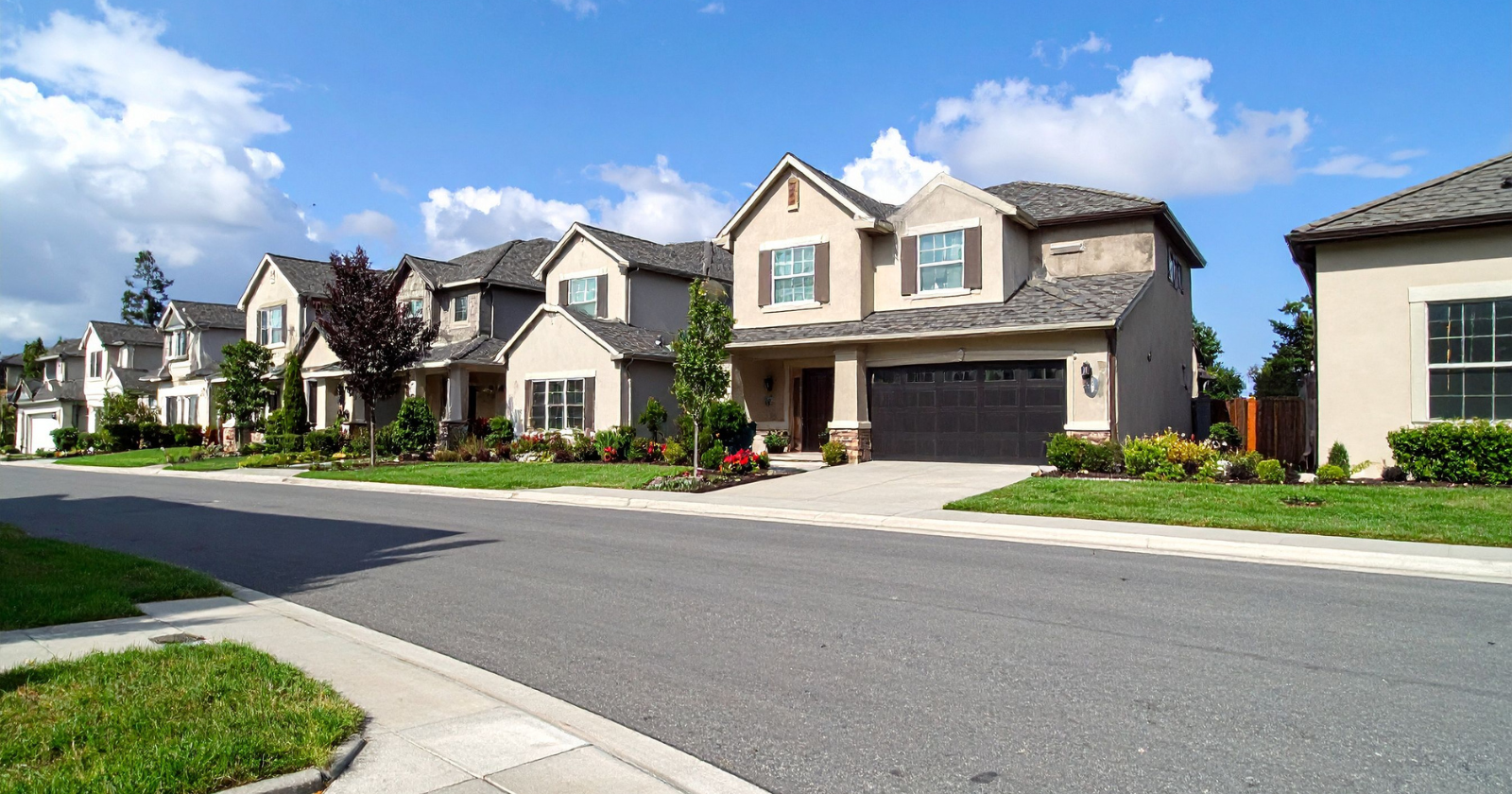
They say you can’t go home again, and I always thought that was just something bitter people said. But standing where my old elementary school used to be, looking at luxury condos with names like “The Heritage” and “Classic Commons,” I finally understood. The physical space remains, but it’s been hollowed out and refilled with something entirely foreign.
The field where I kissed my first girlfriend? It’s a parking lot for a wellness center. The movie theater where I saw Star Wars seven times the summer of ’77? A CVS pharmacy. Even the cemetery looks different, crowded with new headstones of people I never knew, while the names I remember have weathered into illegibility.
I came here chasing ghosts, expecting to find pieces of myself I’d left behind. Instead, I found a stage set wearing my hometown’s name tag. The streets follow the same curves, the hills rise in the same places, but everything that made those landmarks meaningful has been scraped away and replaced.
Nostalgia is a terrible GPS
Here’s what nobody tells you about nostalgia: it’s a liar. It takes your memories, runs them through an Instagram filter, and convinces you that everything was simpler, better, more authentic back then. When I was planning this move, all I could think about were summer evenings on front porches, neighbors who knew your whole family history, and that sense of belonging that seemed to come naturally.
What I forgot about were the limitations, the lack of opportunities that drove me away in the first place, and the restlessness that made me count down days until graduation. Memory has this nasty habit of editing out the boring parts, the frustrations, the very real reasons we made the choices we did.
Moving back was supposed to be my answer to the emptiness that hit after retirement. When the company offered me that restructuring package at sixty-three, I took it, thinking freedom would feel like flying. Instead, those first few months felt like falling off a cliff. Nobody needed me for anything. My calendar went from packed to pathetically empty. I thought coming home would give me back that sense of purpose, that feeling of being essential to something.
But you can’t solve today’s problems with yesterday’s solutions.
The people who made a place home
The cruelest part isn’t the physical changes. It’s realizing that most of the people who made this place home are gone. Some moved away like I did. Others passed on. My parents’ house belongs to a young family now, and seeing different curtains in the windows feels like a betrayal even though I’m the one who sold it years ago.
Three years ago, I lost my closest friend to cancer. He was the one person who might have made this return bearable, who would have sat with me at that Starbucks making fun of the overpriced coffee while secretly enjoying it. His absence has changed how I think about time and relationships. You assume people will always be there until suddenly they’re not.
Walking through town now, I see strangers where familiar faces should be. The few people I do recognize look at me with that polite confusion of someone trying to place a vaguely familiar face. We exchange small talk about how much everything’s changed, but there’s no real connection anymore. We’re just people who happened to overlap in the same location decades ago.
Finding home in unexpected places
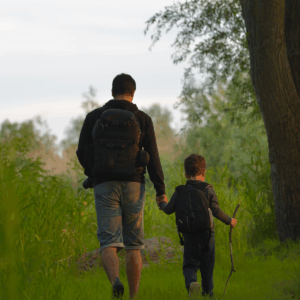
Something interesting happened a few weeks into my daily walks around the local park here. I started recognizing the same faces – the woman with the three beagles, the elderly couple who feed the ducks despite the signs saying not to, the teenager who practices skateboard tricks by the bandstand. We began nodding, then greeting each other, then stopping to chat.
These aren’t deep friendships, but they’re real connections happening now, not echoes from forty years ago. That teenager reminds me that life is still happening, still moving forward, and I can either be part of it or stand on the sidelines mourning what’s gone.
I’ve mentioned this before, but meaning doesn’t arrive automatically just because you change your circumstances. After retirement showed me that, I should have known better than to expect a geographical cure for an existential problem. You have to build meaning wherever you are, with whoever’s around, in whatever time you’re living in.
Learning to live in the present tense
The town I grew up in doesn’t exist anymore, and honestly, it probably never existed the way I remember it. My nostalgia created a perfect place that never had to deal with economic changes, demographic shifts, or the simple passage of time. I was chasing a feeling more than a location, trying to find external proof of who I used to be instead of figuring out who I am now.
Does this mean the move was a mistake? Maybe. But mistakes teach us things that good decisions never could. This experience has forced me to stop looking backward for validation and start building something new with the time I have left. The daily walks that started as a way to avoid my empty apartment have become my favorite part of the day. Not because they remind me of anything, but because they’re happening right now.
Closing thoughts
That Starbucks where Murphy’s Diner used to be? The coffee’s actually pretty good, and the barista knows my name now. The condos where my school stood have a community garden where residents share tomatoes and gossip. The parking lot that replaced that field has charging stations for electric cars and a mural painted by local high school kids.
It’s not my hometown anymore, but maybe it doesn’t need to be. Maybe the real task isn’t finding where we belong but creating it wherever we happen to be. The atoms are all different, but I’m still here, still breathing, still capable of making new memories in old spaces.
So let me ask you this: what are you chasing that might not exist anymore? And what could you build instead if you stopped looking backward long enough to see what’s right in front of you?