
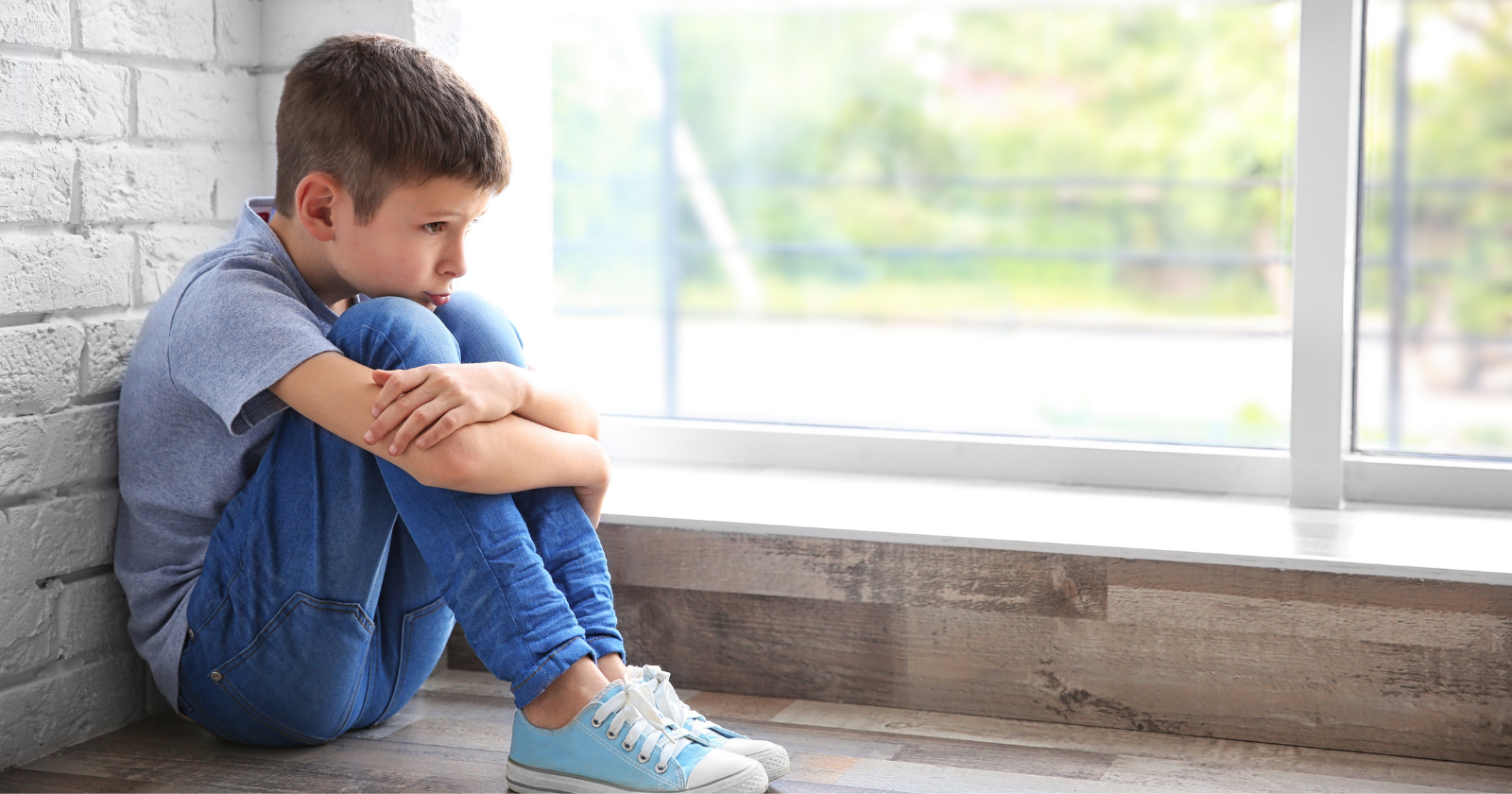
I spent most of my childhood wondering why other families seemed so different from mine. My best friend’s mom would ruffle her hair and call her “sweetie” every morning. Her dad would scoop her up in bear hugs after work. Meanwhile, at my house, love looked like a hot meal on the table and clean clothes in the drawer.
For decades, I carried this quiet ache, this belief that my parents simply didn’t love me the way other parents loved their kids. It wasn’t until I was sitting in my garden last spring, watching my own kids chase butterflies, that the truth finally clicked. My parents weren’t cold or unfeeling. They were simply recreating the only blueprint they’d ever known.
The language of love we never learned
Growing up, our family had its routines. We ate dinner together every single night, all of us around the same table. But our conversations? They stayed safely on the surface. How was school? Fine. Any homework? Yes. Pass the potatoes.
My father worked long hours, coming home exhausted most nights. He was emotionally distant but made sure we never wanted for anything material. New shoes when we needed them. School supplies without asking. A reliable car when I turned sixteen. That was his love language, though I didn’t recognize it at the time.
Physical affection was practically nonexistent. No goodnight hugs. No casual “I love yous” tossed around. The closest we got to emotional expression was a pat on the shoulder for a good report card.
Can you imagine raising kids this way now? I couldn’t. Yet this was my normal for eighteen years.
Carrying patterns we don’t even recognize
Here’s what nobody tells you about growing up in an emotionally reserved household: you absorb those patterns like a sponge, even when you swear you’ll be different.
In my twenties and thirties, I became a chronic people-pleaser. If someone wasn’t openly happy with me, I assumed they were upset. I needed constant validation because I’d never learned to read the subtle signs of quiet love. My perfectionism ran so deep that I’d redo entire projects if they weren’t flawless.
Even now, I catch myself falling into old habits. When my husband and I have a disagreement, my first instinct is still to go silent and busy myself with tasks. Clean the kitchen. Fold the laundry. Anything but actually talk about feelings.
But here’s the thing about patterns: once you see them, you can start to change them.
When the pieces finally fall into place
The revelation came during a conversation with my aunt at a family reunion. We were talking about my grandmother, who’d passed years before I was born. “She was a tough woman,” my aunt said. “Never saw her cry, not once. Her mother was the same way.”
She went on to describe a childhood where love meant survival. Where parents worked sunup to sundown just to keep food on the table. Where exhaustion left no room for cuddles or heart-to-heart talks. Where saying “I love you” felt like an indulgence they couldn’t afford.
Suddenly, my father’s emotional distance made sense. How could he give what he’d never received? How could my mother offer warmth she’d never felt?
This realization hit me like a thunderbolt. All those years of feeling unloved, and really my parents had been loving me the only way they knew how. Through actions. Through provision. Through consistency.
Breaking the cycle without breaking relationships
Understanding my parents’ limitations freed me from decades of resentment, but it didn’t magically fix everything. I still had work to do.
Creating a different family culture with my own kids has been both healing and challenging. My husband and I hold hands during our evening walks, making sure our little ones see that affection is normal. We say “I love you” multiple times a day. When someone’s upset, we talk about it instead of retreating into silence.
But old habits die hard. Sometimes I catch myself getting uncomfortable when emotions run high. When my daughter melts down over something seemingly small, part of me wants to say “that’s enough” and move on. Instead, I take a breath and remember: this is how kids learn emotional regulation. By feeling their feelings fully, with support.
Does this mean I’ve rejected everything about how I was raised? Not at all. My parents taught me resilience, work ethic, and responsibility. They showed up every single day, even when they were exhausted. They created stability in a chaotic world.
Finding peace with imperfect love
Last month, I visited my parents with my kids. Watching them interact with their grandchildren was illuminating. They’re still not naturally affectionate people, but they try. My dad reads stories now, something he never did with me. My mom bakes cookies and actually sits down to eat them with the kids instead of just serving them.
They’re stretching beyond their comfort zones because they want to connect. Isn’t that its own form of love?
I’ve also noticed something else: my kids adore them exactly as they are. They don’t need their grandparents to be different. They accept the quiet love, the acts of service, the subtle ways care is shown.
Maybe that’s the lesson here. Love doesn’t always look like we expect it to. Sometimes it’s working overtime to pay for braces. Sometimes it’s teaching you to change a tire so you’re never stranded. Sometimes it’s making your favorite meal when you’re sick, even if they never say the words “I love you.”
A different kind of inheritance
Retirement has given me time to reflect on all of this. To process the childhood patterns that shaped me. To appreciate what my parents gave me, even if it wasn’t packaged the way I wanted.
I think about the generational trauma we talk so much about these days. How pain and dysfunction get passed down like heirlooms nobody wants. But what about generational limitations? The simple inability to give what was never received?
My parents did their best with the tools they had. Those tools were limited, shaped by their own parents’ tools, which were shaped by the generation before that. Each generation trying to survive, to provide, to raise kids who could make it in the world.
Now I get to add new tools to the toolkit. Emotional vocabulary. Physical affection. Open communication. My kids will grow up with these as their normal, and they’ll probably add even more tools when they have children of their own.
Conclusion
Standing in my garden now, watching my kids play, I feel profound gratitude for the journey that brought me here. Yes, I grew up in a home where affection was rarely shown. Yes, it left marks. But understanding the why behind it all has been transformative.
My parents loved me the only way they knew how. They couldn’t teach what they’d never learned. And recognizing this hasn’t just helped me heal old wounds. It’s helped me become more intentional about the love I show my own children.
We’re all doing our best with what we’ve been given. Some of us got handed a full emotional toolkit. Others got a few basic tools and had to figure out the rest. But each generation has the opportunity to add something new, to expand what’s possible.
That’s the real inheritance we leave our children: not just the patterns we repeat, but the ones we consciously choose to change.
