
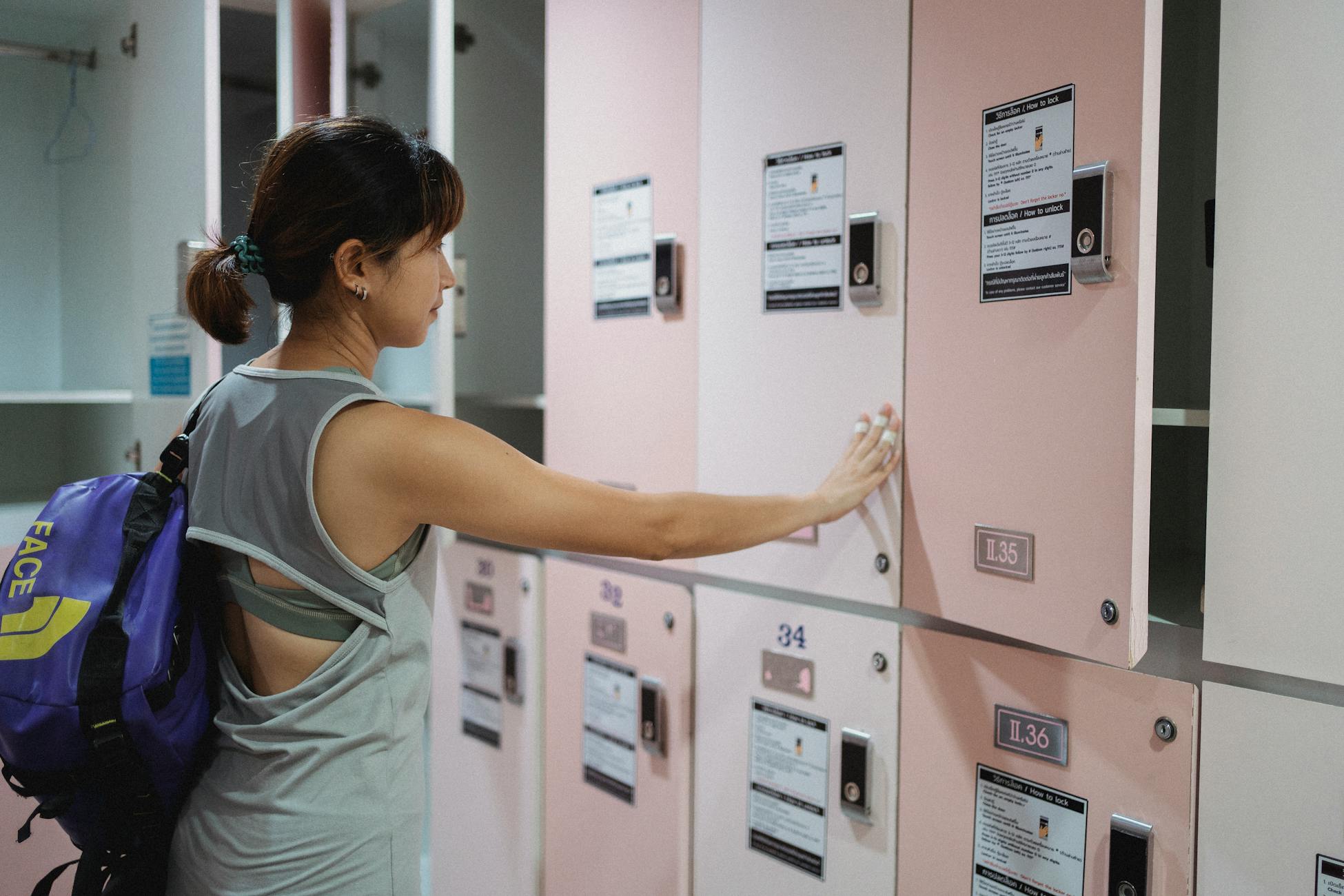
Most of us assume people end up in assisted living because their bodies finally give out. A fall, a stroke, a slow slide into confusion. And yes, those things happen. But after forty-four years in nursing, the last two decades spent walking into people’s homes twice a week, I can tell you the deciding factor is rarely medical. The person who tips into residential care at seventy-two often has the same creaky knees and blood pressure issues as the person who stays home until eighty-nine. The difference? The one who stays home usually has an adult child who rearranges their life to make it work. The one who moves into a facility often has no one standing in that gap, not because they failed at relationships, but because the infrastructure of informal care in this country runs almost entirely on family obligation. And when there’s no family, or no children specifically, the system has one answer: a facility with a waiting list.
What I see when I walk through the door
I visit four or five patients every shift. I change wound dressings, check medications, take blood pressure, and do the quiet assessment that matters more than any of it: I look at how someone is managing. Can they get from the bed to the bathroom without grabbing furniture? Is there food in the fridge that isn’t three weeks old? Are the bills piling up on the counter?
The patients who have adult children tend to have someone dropping by between my visits. A daughter who stocks the freezer with labelled containers. A son who mows the lawn and checks the smoke alarms. These aren’t grand gestures. They’re maintenance. They’re the invisible scaffolding that keeps a person in their own home months or years longer than they could manage alone.
My patients without children don’t have that scaffolding. They have neighbours who wave, friends who call, maybe a niece in another state. And those connections matter enormously for emotional wellbeing. But they don’t get you from the shower to the bedroom when your hip locks up at six in the morning. There’s a difference between people who care about you and people who feel responsible for you. The care system depends on the second group, and that group is almost always family.
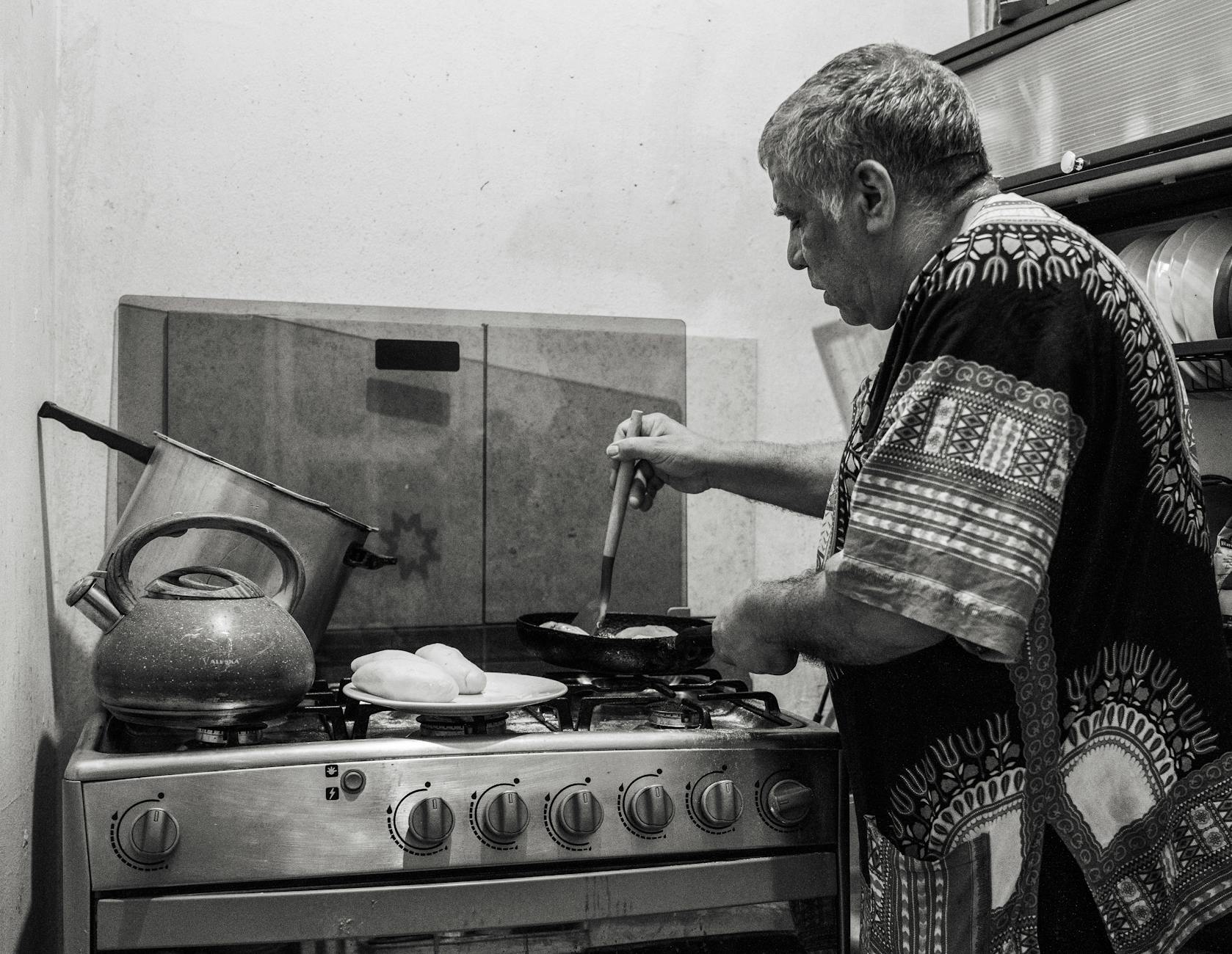
Obligation is the engine nobody talks about
I know that sounds harsh. Obligation. We like to dress it up as love, and often it is love. But the psychological mechanism underneath family caregiving has a sharper edge than most people acknowledge. Research into caregiver guilt shows that adult children frequently provide care not purely from affection but from a deep, socially reinforced sense that they should. The guilt of not helping is more unbearable than the exhaustion of helping. That guilt keeps people at home.
When there’s no child to feel that guilt, nobody absorbs it. Friends don’t feel it the same way. Neighbours don’t feel it at all. And the older person, who may be perfectly sharp and only moderately frail, crosses the threshold into needing daily help with no one on the other side of that threshold reaching back.
Research suggests that millions of millennials in the United States are working as family caregivers, many of them juggling jobs, mortgages, and young children of their own while managing a parent’s medications and medical appointments. That’s an enormous unpaid workforce propping up the entire aged care system. Remove it, and the only option left is paid residential care. Childless adults over sixty-five aren’t entering facilities at higher rates because they’re sicker. They’re entering because the unpaid labour force that keeps everyone else home simply doesn’t exist for them.
The myth of the prepared loner
There’s a comfortable story people tell themselves: that childless adults have had decades to prepare for this. They’ve saved more money. They’ve built wider social networks. They’ve thought ahead. And some have. I’ve met childless patients who are extraordinarily organised, with advance care directives filed, finances in order, and a clear-eyed understanding of what’s coming.
But preparation doesn’t replace presence. You can have every document sorted and still not have someone who notices you haven’t answered the phone in three days. I’ve written before about how couples without children grow together so completely that when one dies, the surviving partner loses the only person who understood the entire architecture of their shared life. That observation stays with me because I see it play out in my work. The widowed, childless person sitting in a spotless house with perfect financial records and absolutely no one checking in.
Research into dementia carer experiences before residential admission confirms what I observe on the ground: the decision to move someone into care is rarely made by the person themselves. It’s made by an exhausted family member who has reached their own limit. For childless adults, that decision-maker doesn’t exist, so the system often steps in earlier.
What being listened to actually looks like at seventy-five
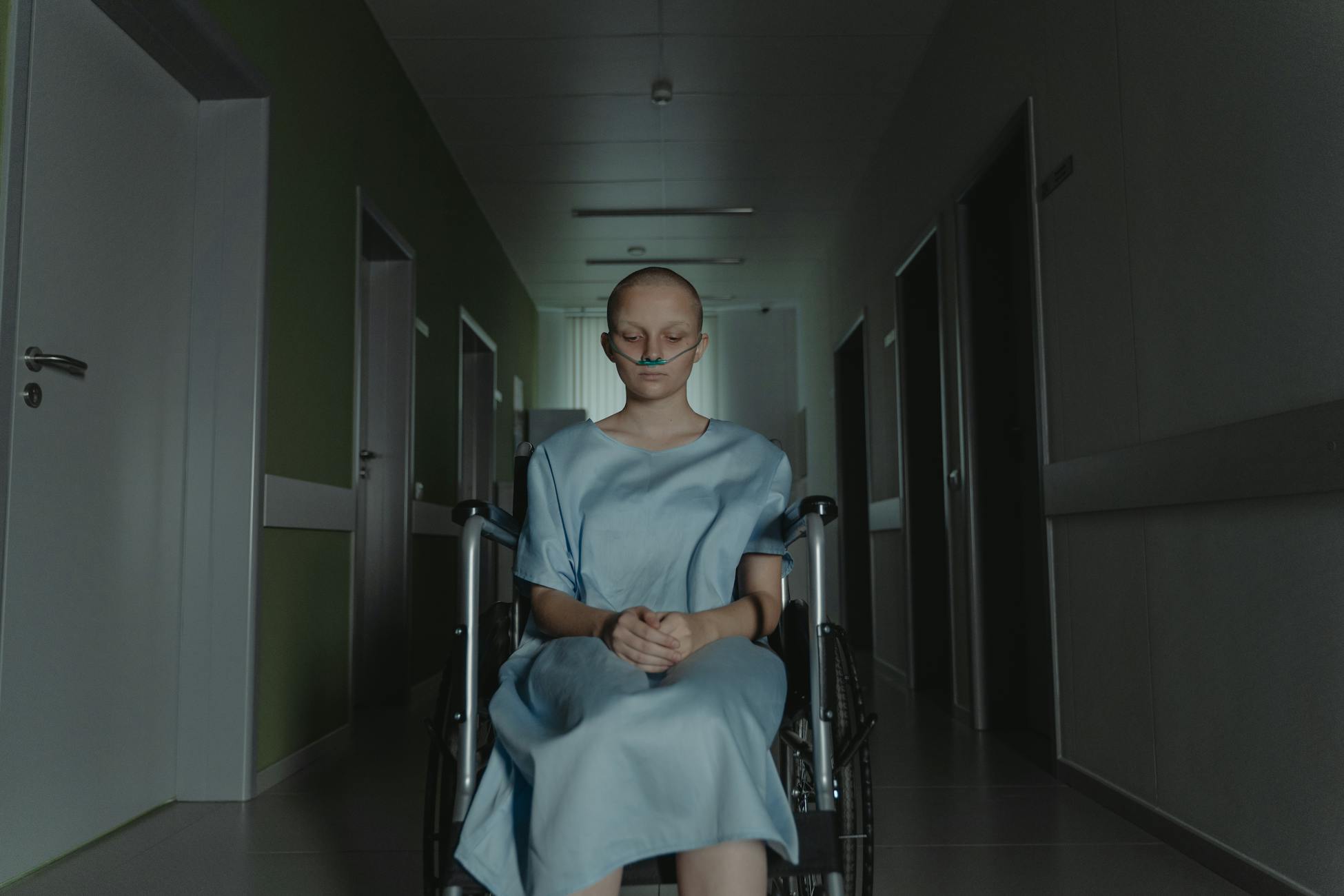
Last month I visited a woman named Denise, seventy-eight, childless, living in a one-bedroom flat with a cat and a magnificent collection of crime novels. She’d had a fall in the bathroom. Nothing broken, but she’d lain on the tiles for six hours before a friend called and, getting no answer, phoned the ambulance. Denise told me she wasn’t scared during those six hours. She was embarrassed. “I kept thinking, this is how they find people,” she said.
Denise is sharp, funny, and entirely capable of managing her own life with a bit of support. She doesn’t need a residential facility. She needs someone to ring her every morning and a handrail in the bathroom. But the system doesn’t provide that reliably for people without family advocates pushing for it. The path of least resistance, the path that manages risk most efficiently from the system’s perspective, is a bed in assisted living. So that’s what was recommended.
The thing that struck me about Denise was how clearly she could articulate what she needed versus what she was being offered. She needed someone to listen, a daily check-in, a small modification to her bathroom. What she was being offered was relocation. The gap between those two things is where a lot of childless older adults fall.
The guilt gap
I think about guilt a lot in my work. As a nurse, I’ve watched guilt drive extraordinary acts of care and equally extraordinary acts of self-destruction. Adult children burn themselves out providing home care because the alternative, a nursing home, feels like a moral failure. That guilt is agonising, and I’ve sat with many daughters and sons who wept while signing admission paperwork, convinced they were betraying their parent.
But here’s what nobody says: that guilt, painful as it is, is also a buffer. It delays institutional care. It keeps people home longer. It funds an enormous amount of free labour. People who reach their sixties and seventies without close connections don’t have that buffer. And the system hasn’t built anything to replace it.
Senior living industry observers acknowledge that demographic shifts, including rising rates of childlessness, are driving increased demand for residential care. The language is clinical. “Demographic tailwinds,” they call it. Investors see opportunity. But those tailwinds are made up of individual human beings like Denise, who wanted a handrail and a morning phone call and instead got a brochure.
What this means for the rest of us
I’m sixty-three. I live alone. My daughters are grown, and they’re good women who’d move mountains for me, but I’ve watched enough families to know that relying on your children’s guilt to keep you out of a facility is a lousy retirement plan. And I’ve watched enough childless patients to know that the system we’ve built assumes a family member will absorb the hardest years of your decline for free, out of love and obligation and the inability to live with themselves if they don’t.
That assumption is crumbling. Birth rates are falling. Families are smaller and more geographically scattered. The generation now entering their sixties includes more childless adults than any before it. And the conversation we should be having, about community care models, about daily check-in services, about keeping people in their homes with modest support rather than routing them into facilities, is barely happening.
I sat on my back deck last night watching the lorikeets strip the grevillea, and I thought about Denise on her bathroom floor for six hours. She didn’t need rescuing. She needed a system that noticed her. The identity crisis of retirement gets plenty of attention. The structural crisis of aging without a built-in advocate gets almost none.
We treat children as the default safety net and then act surprised when people without children fall through. The answer isn’t to insist everyone have kids as an insurance policy. The answer is to build something that catches people whether they have family or not. Because the current system doesn’t care for its oldest members. It outsources that care to their children and calls it a plan.