
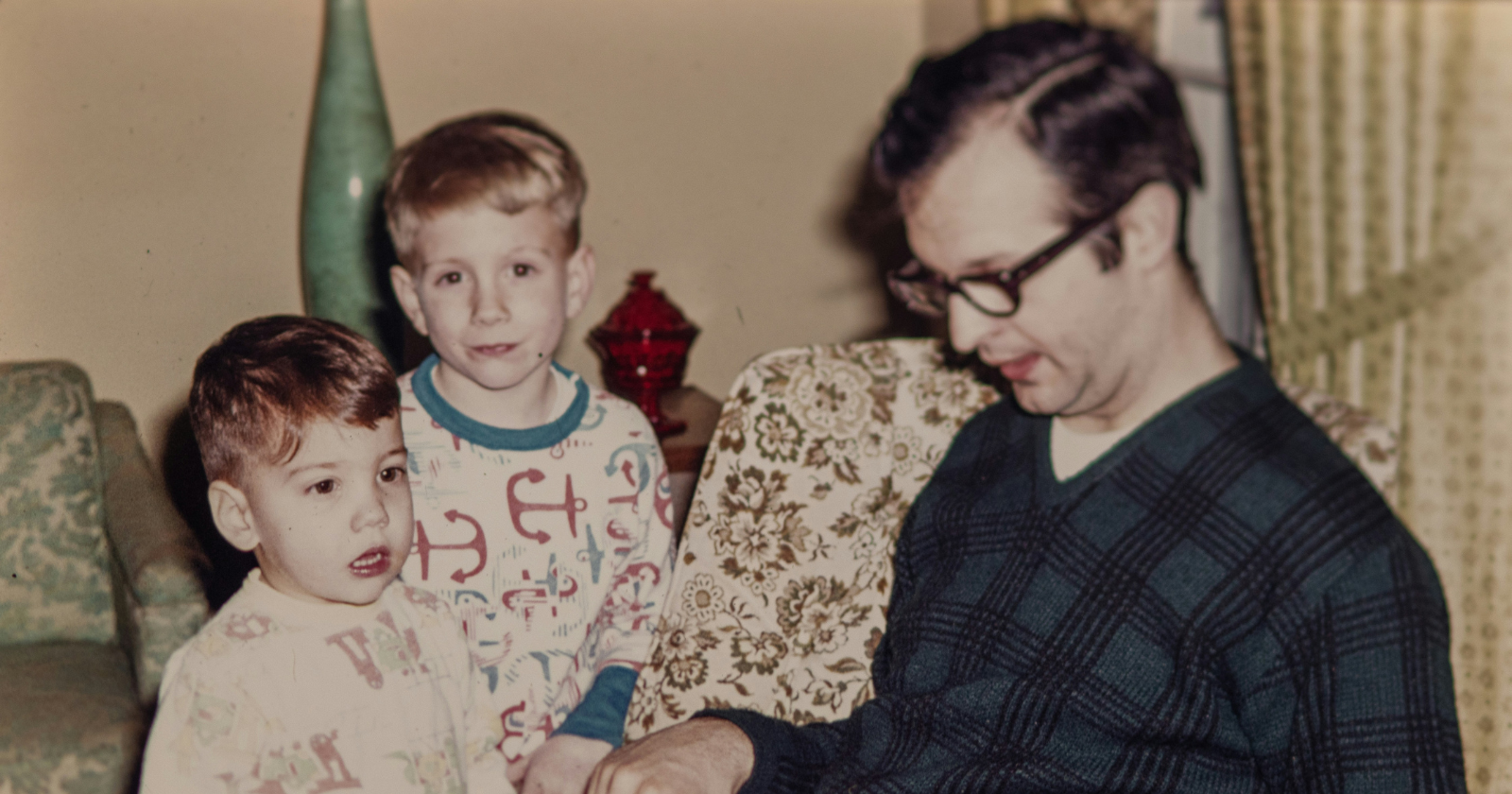
Growing up in the 80s, I remember sitting at our scratched-up kitchen table, pushing green beans around my plate while my dad pointed his fork at me. “Stop crying or I’ll give you something to cry about,” he said, his voice carrying that particular edge that meant business.
I swallowed hard, blinked back tears, and finished every last vegetable. Back then, this was just Monday night dinner. Today, as I watch my own kids navigate their emotions, I can’t help but reflect on how differently we understand childhood development now.
The phrases we heard as kids in the 1980s were considered normal parenting. They rolled off tongues at grocery stores, playgrounds, and family gatherings without anyone batting an eye. But research on child development and emotional intelligence has transformed our understanding of how words shape little minds. What passed for discipline or motivation back then often looks a lot more like emotional harm through today’s lens.
1. “Stop crying or I’ll give you something to cry about”
This classic threat was the emotional shutdown button of the 80s. Parents wielded it like a magic spell to instantly dry tears, whether you’d skinned your knee or lost your favorite toy. The message was crystal clear: your feelings are inconvenient and unacceptable.
What we know now is that children need to process emotions to develop healthy coping mechanisms. When kids learn their feelings are “wrong” or dangerous, they stuff them down. Those bottled emotions don’t disappear; they just wait to explode later, often in adulthood. In our house, when tears flow, we name the feeling and work through it together.
Sure, it takes longer than threats, but we’re building emotional intelligence, not just compliance.
2. “Because I said so”
Remember asking “why” and getting this conversation-ender? It was the ultimate parental power move, shutting down curiosity faster than you could say “but Mom!” While I understand the exhaustion that leads to this phrase (trust me, after the twentieth “why” of the day, I feel it), we now recognize that children’s questions are how they make sense of the world.
When we dismiss their need to understand, we teach them that blind obedience matters more than critical thinking. These days, I try to give age-appropriate explanations. Sometimes it’s as simple as “We need to leave now so we’re not late” instead of demanding immediate compliance without context.
3. “Wait until your father gets home”
This phrase turned one parent into the designated bad guy and taught us that mom couldn’t handle discipline alone. It also meant spending hours in anxious anticipation of punishment, which is its own form of emotional torture for a child’s developing nervous system.
The delayed consequence created fear-based relationships where dad became the enforcer rather than a source of comfort and guidance. Modern parenting recognizes that immediate, appropriate consequences work better than hours of dread followed by punishment from someone who wasn’t even present for the original issue.
4. “You’re being too sensitive”
Ah, the phrase that taught an entire generation to doubt their own feelings. Whether you were upset about being teased or crying over a broken toy, being labeled “too sensitive” meant your emotional response was wrong, excessive, shameful.
Related Stories from The Artful Parent
- 8 things your teenager is doing that look like disrespect but are actually the healthiest signs of development a parent could ask for
- The way you speak to your partner in front of your children becomes the voice they expect love to sound like—and most parents never make the connection
- 7 “small” moments from childhood that felt like nothing to the parent but became the story the child tells everyone when they describe how they grew up
This particularly stung for those of us who were naturally more empathetic or emotionally aware. We learned to mask our feelings, to perform toughness we didn’t feel. Now I watch my daughter’s tender heart with wonder, not criticism. When she cries over a butterfly with a torn wing, I see compassion developing, not oversensitivity.
5. “Children should be seen and not heard”
This Victorian holdover was still going strong in the 80s, especially at adult gatherings. We learned to shrink ourselves, to take up less space, to swallow our thoughts and opinions. The message? Adult conversations and ideas matter; yours don’t.
Today we understand that children who feel heard develop stronger communication skills and self-worth. They learn their thoughts have value. Yes, there are still times for quiet listening, but silencing children entirely teaches them their voice doesn’t matter.
6. “Big boys/girls don’t cry”
Gender-specific emotional suppression started early in the 80s. Boys learned that tears equaled weakness, while girls heard versions about being “young ladies” who didn’t get angry or loud. These phrases created a generation struggling with emotional expression well into adulthood.
The damage here runs deep. Men who can’t access their emotions, women who can’t express anger constructively, all because crying or being upset was tied to maturity rather than being recognized as a human response to pain or frustration.
7. “If you don’t stop, I’m going to leave you here”
The abandonment threat was a popular behavior modifier in grocery stores and malls across America. Parents would start walking away from a tantruming child, sometimes even hiding around a corner to “teach them a lesson.”
- Psychology says the loneliest part of getting older isn’t being alone – it’s realizing that some friendships don’t survive the moment you stop initiating, and understanding that they were never actually held together by mutual care but by your willingness to do all the work - Global English Editing
- Psychology says the exhaustion that many people accept as a normal part of aging is frequently not about age at all. It’s a nutritional deficit that accumulated so slowly it became part of their identity before they thought to question it - Global English Editing
- Psychology says boomers who planned meticulously for retirement and still feel an inexplicable emptiness once they get there aren’t ungrateful — they optimized obsessively for the finish line and forgot, somewhere along the way, to figure out what they were actually running toward - Global English Editing
Can you imagine the primal fear this triggered? The person you depend on for survival threatening to abandon you creates deep attachment wounds. Children need to know their connection to their parents is unconditional, not dependent on perfect behavior.
8. “You’re okay, you’re not hurt”
Kid falls, scrapes knee, starts crying. Parent’s immediate response? Denial of their experience. This phrase taught us not to trust our own body’s signals and emotions. If an adult said you weren’t hurt while you felt pain, who was right?
Now we know that acknowledging a child’s experience, even minor hurts, helps them develop body awareness and trust. A simple “That looked like it hurt. Let’s take a look” validates their experience while helping them assess actual damage.
9. “Money doesn’t grow on trees”
While teaching financial responsibility matters, this phrase often came with a heavy dose of scarcity mindset and shame. Kids internalized that their needs and wants were burdens, that asking for things was greedy or selfish.
In my childhood home, where money was genuinely tight, this phrase made me feel guilty for needing new shoes or wanting a book from the school fair. There are gentler ways to teach budgeting without making children feel like financial burdens.
10. “I’ll give you to the count of three”
The countdown to consequences created panic and fear-based compliance. Those slow, threatening counts—”One… Two… Two and a half…”—triggered fight-or-flight responses in developing nervous systems.
While boundaries and consequences remain important, the threatening countdown creates anxiety rather than teaching. Clear expectations with natural consequences work better than fear-driven countdowns to unknown punishments.
Closing thoughts
Looking back at these phrases isn’t about blaming our parents. They were doing their best with the information they had. Many were raised with even harsher methods and were actually softening the approach for us.
But we know better now, and that knowledge comes with responsibility. As I navigate raising my own kids, I catch these old phrases trying to slip out during stressful moments. They’re deeply programmed, these outdated scripts. When I mess up and something harsh escapes, I apologize and try again.
What strikes me most is how these phrases all share common themes: emotional suppression, fear-based compliance, and dismissal of children’s experiences. We were taught to be convenient, not whole.
Creating a different family culture takes intentional work. Some days I nail it, offering empathy and understanding. Other days I’m tired, touched-out, and catch myself mid-threat about something ridiculous. But each time we choose connection over control, validation over dismissal, we’re healing generational patterns.
The goal isn’t perfection. It’s progress. And maybe, just maybe, our kids won’t need quite as much therapy as we do.