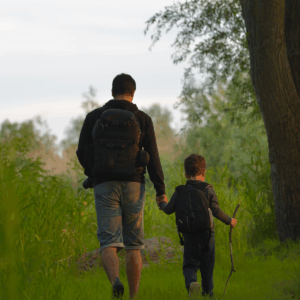
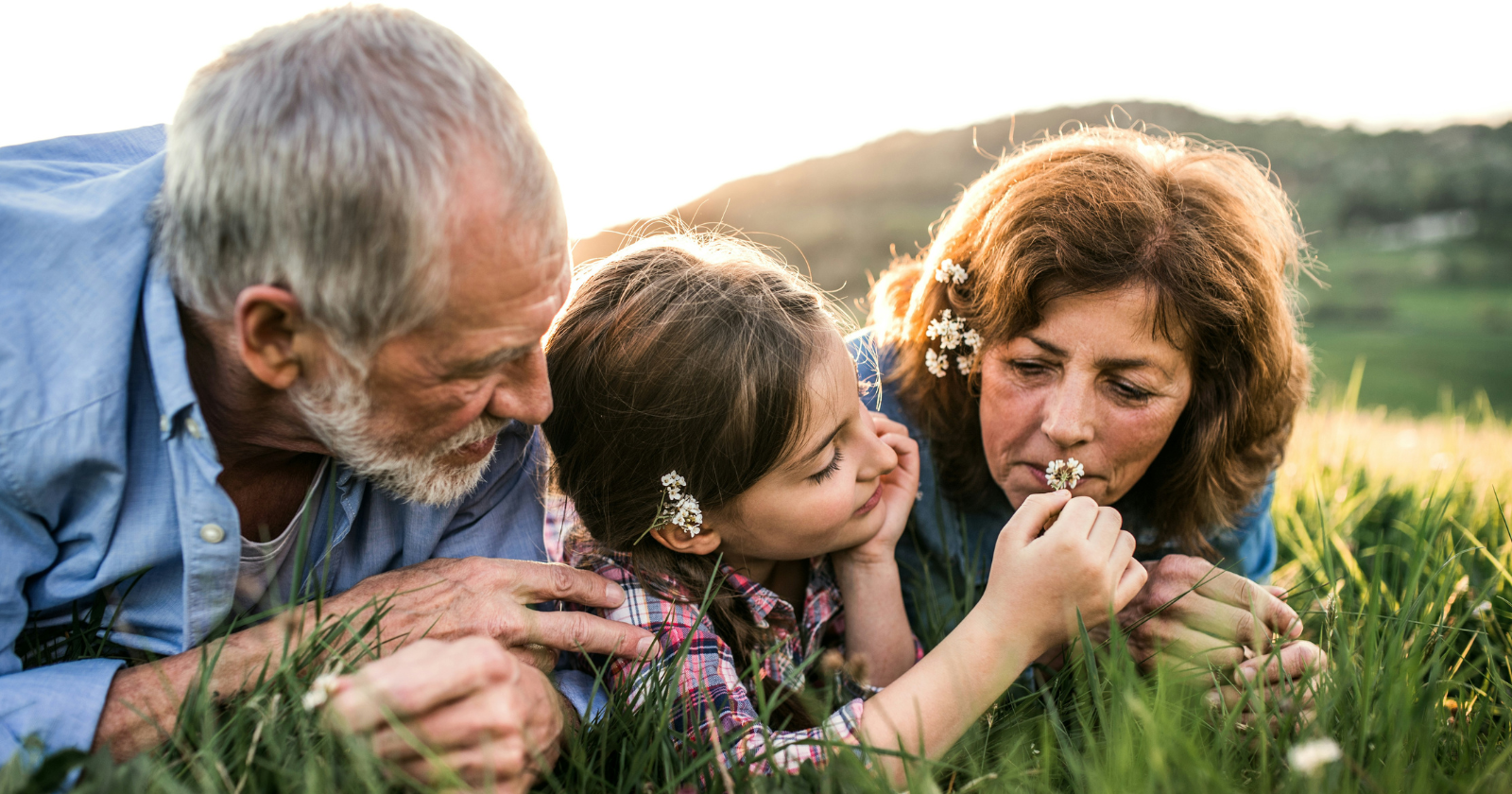
Being a grandparent has taught me more about what kids really want than all my years as a parent ever did. Just last weekend, my eight-year-old granddaughter said something that stopped me in my tracks. We were at the park, just the two of us, when she mentioned how much she loved these solo outings because “you actually listen, Grandpa.” It hit me then how often we adults think we know what children need, when really, they’re quietly wishing for something entirely different.
Over the years, I’ve made it my mission to spend one-on-one time with each of my four grandchildren. What started as a scheduling necessity (trust me, taking all four to the park at once is chaos) turned into something much more valuable. When they’re not competing for attention, these kids become completely different people. They open up, share their worries, and tell me things they’d never mention to their parents.
If you’re lucky enough to be a grandparent, or hoping to be one someday, here are nine things I’ve learned that grandchildren secretly wish we’d do more often. Some might surprise you.
1. Just listen without immediately offering solutions
Here’s something I discovered by accident: if you stay quiet long enough, grandchildren will tell you absolutely everything. My eleven-year-old grandson once spent twenty minutes explaining why his best friend was being “weird” at school. My first instinct was to jump in with advice, but I held back. By the end of his story, he’d figured out the solution himself. All he needed was someone to hear him out.
Kids today get advice from every direction. What they’re craving from grandparents is different: a patient ear, no judgment, and the space to work through their thoughts. Try it next time. When your grandchild starts talking, resist the urge to fix everything. Just nod, ask “how did that make you feel?” and watch them light up.
2. Share stories about their parents as kids
You know what gets the biggest laughs during our park visits? Stories about their parents’ childhood mishaps. “Did Dad really get stuck in a tree trying to rescue a frisbee?” Yes, he did, and hearing about it makes their parents seem more human, more relatable.
These stories serve a deeper purpose too. When grandchildren hear that their seemingly perfect parents also struggled with math, got in trouble at school, or felt scared about making friends, it normalizes their own challenges. Plus, it creates this special bond between generations that parents can’t replicate.
3. Have traditions that are just yours
Every Sunday morning, I make pancakes in silly shapes for whichever grandchild is visiting. It’s become our thing. Not fancy, not expensive, just consistent and ours. Whether it’s a secret handshake, a weekly phone call, or a monthly movie date, grandchildren treasure these rituals more than any expensive toy.
As I mentioned in a previous post about family bonds, traditions don’t need to be elaborate. What matters is that they’re predictable and special. My three-year-old granddaughter now wakes up asking if it’s “pancake day with Grandpa.” That’s worth more than gold.
4. Put away the phone completely
This one stings a bit because I’m guilty of checking my phone too often. But here’s what I’ve noticed: grandchildren are incredibly aware when we’re not fully present. They might not say anything, but they feel it when we’re scrolling through news while they’re telling us about their day.
When I started leaving my phone in another room during our time together, the change was immediate. Conversations got deeper, games became more fun, and I actually noticed things I’d been missing. Like how my five-year-old grandson makes this specific face when he’s proud of something but trying to play it cool.
Related Stories from The Artful Parent
- 8 things your teenager is doing that look like disrespect but are actually the healthiest signs of development a parent could ask for
- The way you speak to your partner in front of your children becomes the voice they expect love to sound like—and most parents never make the connection
- 7 “small” moments from childhood that felt like nothing to the parent but became the story the child tells everyone when they describe how they grew up
5. Teach them practical skills their parents don’t have time for
Modern parents are stretched thin. Between work, activities, and homework supervision, there’s barely time to breathe, let alone teach kids how to sew a button or plant tomatoes. That’s where we come in.
Teaching practical skills accomplishes two things: it gives grandchildren confidence in their abilities, and it creates quiet moments for connection. Some of my best conversations have happened while teaching a grandchild to tie fishing line or bake cookies from scratch. There’s something about working with your hands that makes talking easier.
6. Be their safe space for emotions
Sometimes grandchildren need to be sad, angry, or frustrated without anyone trying to cheer them up immediately. They get plenty of “look on the bright side” from everyone else. What they need from grandparents is permission to feel what they’re feeling.
When my granddaughter didn’t make the school play, she came to me in tears. Instead of launching into a pep talk, I just said, “That really stinks. You must be so disappointed.” She cried harder for a minute, then started talking about how unfair it felt. By validating her feelings first, I became the person she turns to when life gets tough.
7. Show interest in their actual interests
Yes, I had to learn what Minecraft is. No, I don’t fully understand it. But you should see my grandson’s face when I ask about his latest creation. Showing genuine interest in what they love, even when it’s completely foreign to you, tells grandchildren that they matter.
This doesn’t mean you need to become an expert in every video game or pop star. Just asking questions, remembering details from last time, and celebrating their enthusiasm goes further than you’d think. My granddaughter recently said, “You’re the only adult who knows all my favorite songs.” That wasn’t an accident. I made notes.
- Psychology says the loneliest part of getting older isn’t being alone – it’s realizing that some friendships don’t survive the moment you stop initiating, and understanding that they were never actually held together by mutual care but by your willingness to do all the work - Global English Editing
- Psychology says the exhaustion that many people accept as a normal part of aging is frequently not about age at all. It’s a nutritional deficit that accumulated so slowly it became part of their identity before they thought to question it - Global English Editing
- Psychology says boomers who planned meticulously for retirement and still feel an inexplicable emptiness once they get there aren’t ungrateful — they optimized obsessively for the finish line and forgot, somewhere along the way, to figure out what they were actually running toward - Global English Editing
8. Let them be imperfect
Grandchildren often feel pressure to be the “good kid” around extended family. They need at least one person who loves them exactly as they are, mistakes and all. This doesn’t mean no boundaries, but it means leading with understanding rather than disappointment.
When my grandson broke my favorite mug last month, his first words were, “Please don’t tell Mom.” Not because she’d punish him harshly, but because he hated disappointing people. We cleaned it up together, talked about being more careful, and that was it. No lecture, no guilt trip. Just grace.
9. Include them in your real life
Grandchildren don’t want to be entertained every second. They want to be part of your actual life. Bring them along to the farmer’s market, let them help with genuine tasks, include them in your daily routines. These ordinary moments often become their most treasured memories.
My weekend park visits with the local grandchildren have become the highlight of my week, but some of our best times are far more mundane. Washing the car together, organizing the garage, even sitting quietly while I read and they draw. They just want to be near you, included in your world.
Closing thoughts
Grandparenting is my second chance to be present in ways my work schedule never allowed when my own kids were young. But it’s not about making up for lost time or being the “fun” grandparent. It’s about seeing these incredible little humans for who they really are and giving them what they’re actually asking for, not what we assume they need.
What small change could you make this week to connect more deeply with a grandchild in your life?