

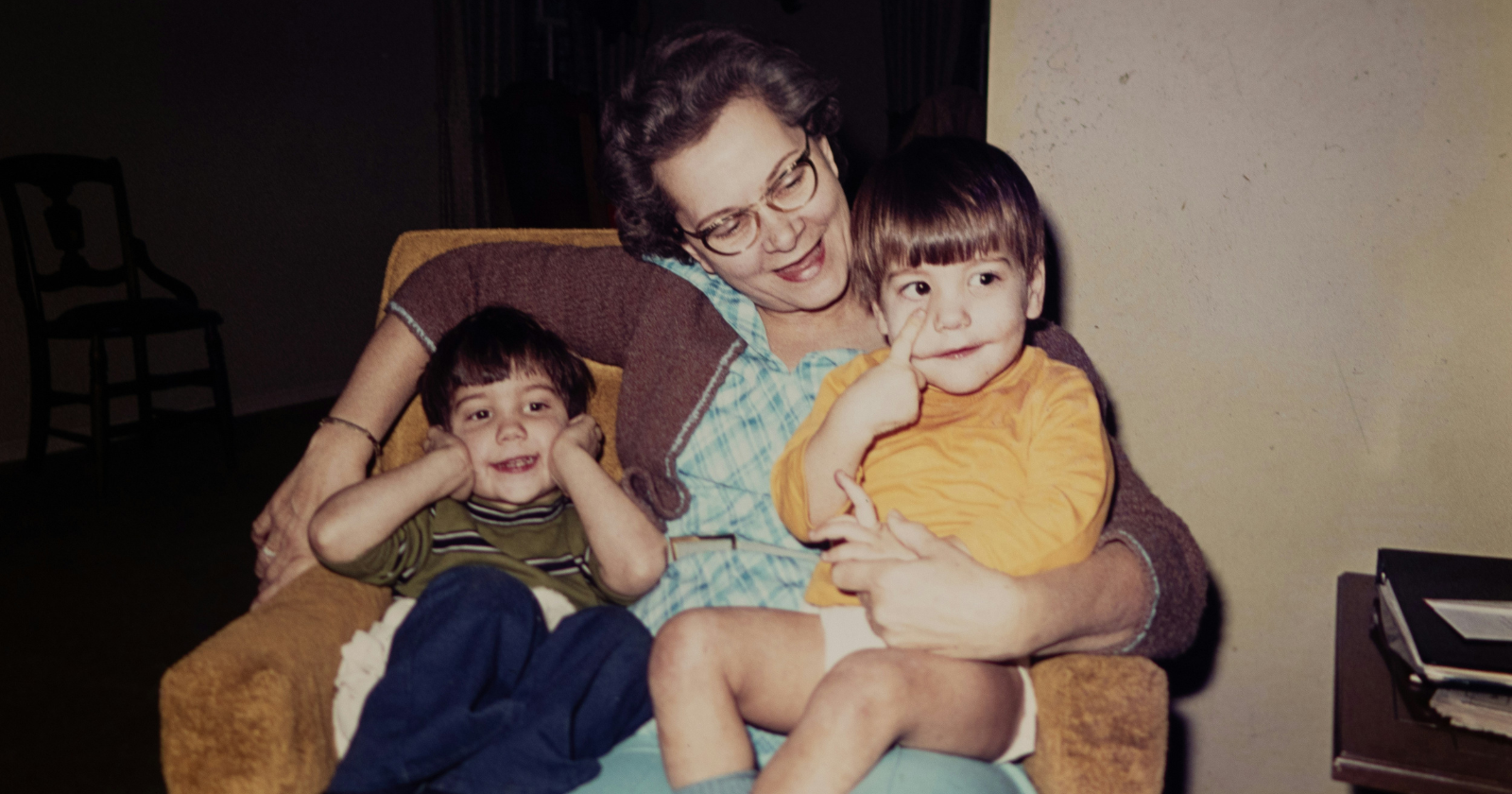
Let me start with a confession: when my mom tells stories about raising us in the 70s, I sometimes catch myself gripping my organic fair-trade coffee mug a little tighter. “We just left you in the car while we shopped,” she’ll say casually, or “You played outside until the streetlights came on, and I had no idea where you were half the time.”
The thing is, my siblings and I turned out okay. Actually, more than okay. And when I look around at how anxious modern parenting can make us feel (myself included), I wonder if those 70s parents might have accidentally gotten a few things right through what we’d now call neglect.
Before you call child services on me for even suggesting this, hear me out. I’m not advocating we go back to lead paint and lawn darts. But maybe, just maybe, there’s something to learn from that generation’s more relaxed approach to raising kids.
1. Kids rode bikes without helmets (and lived to tell the tale)
Every kid in my neighborhood had at least one spectacular bike crash story. We’d compare scabs like battle scars, and nobody’s parents rushed them to the ER unless actual bones were sticking out. My mother’s response to most injuries? “Put some ice on it.”
Would I let my kids ride without helmets today? Absolutely not. But those 70s kids learned something valuable about assessing risk and dealing with consequences. They figured out pretty quickly that going too fast down that steep hill meant eating pavement. Natural consequences were the best teacher, even if it meant a few more bandaids.
2. Car seats were basically suggestions
My mom loves telling the story of how I came home from the hospital lying on the front bench seat between her and my dad. No car seat. Not even a seatbelt. By age five, I was standing up in the back seat, acting as the family DJ for road trips.
This one genuinely makes me shudder. Car seats save lives, period. But here’s what’s interesting: because parents knew cars were dangerous, they were incredibly strict about car behavior. You didn’t distract dad while he was driving unless you wanted to walk home. Kids learned to respect the danger rather than being passively protected from it.
3. Parents had no idea where their kids were for hours
“Be home by dinner” was the only tracking device we had. Between breakfast and 6 PM, we could have been anywhere within a three-mile radius. Building forts in the woods, catching tadpoles in the creek, or sitting in someone’s basement eating entire boxes of Lucky Charms while watching reruns.
My kids get maybe 20 minutes of unsupervised outdoor time before I’m peeking out the window. But those long, unstructured days taught 70s kids creativity, conflict resolution, and independence. When there were no adults to solve disputes over who got the good swing, kids had to figure it out themselves.
4. Everyone smoked everywhere, all the time
Doctor’s offices. Airplanes. Restaurants. Cars with the windows rolled up. If you grew up in the 70s, you basically marinated in secondhand smoke. My dad would smoke his pipe at the dinner table while we ate, ashing directly onto his plate when he was done.
Obviously, this was terrible for everyone’s health. No defending it. But you know what’s weird? Those kids developed a serious aversion to smoking after growing up in that haze. Sometimes seeing the unfiltered (pun intended) consequences of choices teaches more than any lecture could.
Related Stories from The Artful Parent
- 8 things your teenager is doing that look like disrespect but are actually the healthiest signs of development a parent could ask for
- The way you speak to your partner in front of your children becomes the voice they expect love to sound like—and most parents never make the connection
- 7 “small” moments from childhood that felt like nothing to the parent but became the story the child tells everyone when they describe how they grew up
5. Dinner was whatever mom made, period
There was no menu of options. No special meals for picky eaters. You ate what was served or you went hungry. My mother’s famous line was “This isn’t a restaurant.”
I’ll admit, I make at least two different dinners most nights to accommodate various preferences and sensitivities. But those 70s kids learned to try new foods out of sheer hunger. They also learned that the world wouldn’t cater to their every preference, which seems like a life skill we’re forgetting to teach.
6. Kids walked to school alone starting in kindergarten
At age six, I was walking seven blocks to school with just my older sister, who was all of eight years old. We knew every dog on the route, which houses to avoid, and exactly how long we could dawdle at the penny candy store before we’d be late.
Would I send my five-year-old out alone? Not a chance. But those solo walks taught navigation, time management, and street smarts. Kids learned their neighborhood intimately and developed confidence in their ability to handle themselves.
7. Babysitters were basically just older kids
The going rate for babysitting in our neighborhood was 50 cents an hour, and the sitters were usually 12-year-old neighbors. My parents would leave us with teenage sitters who definitely let us stay up past bedtime and eat ice cream for dinner.
Today, I run full background checks and require CPR certification. But those young sitters taught us that kids could be responsible for other kids. It created a culture where older children naturally looked out for younger ones, without adult intervention.
- Psychology says the loneliest part of getting older isn’t being alone – it’s realizing that some friendships don’t survive the moment you stop initiating, and understanding that they were never actually held together by mutual care but by your willingness to do all the work - Global English Editing
- Psychology says the exhaustion that many people accept as a normal part of aging is frequently not about age at all. It’s a nutritional deficit that accumulated so slowly it became part of their identity before they thought to question it - Global English Editing
- Psychology says boomers who planned meticulously for retirement and still feel an inexplicable emptiness once they get there aren’t ungrateful — they optimized obsessively for the finish line and forgot, somewhere along the way, to figure out what they were actually running toward - Global English Editing
8. Playgrounds were made of metal and concrete
Remember those metal slides that gave you third-degree burns in summer? Or the merry-go-rounds that launched kids into orbit? The playground at my elementary school was basically a tetanus farm with a gravel landing pad.
Modern playgrounds are safer, no question. But those dangerous playgrounds taught immediate, visceral lessons about physics and personal limits. Kids learned to judge their own abilities because the consequences of overestimating were immediate and painful.
9. Parents rarely helped with homework
Homework was entirely the kid’s responsibility. If you didn’t do it, you faced the teacher’s wrath, not a parent-teacher conference about how to better support your learning style. My parents might quiz me on spelling words, but science projects and book reports were all me.
I spend hours helping with homework, researching project ideas, and checking every assignment. But 70s kids developed self-reliance and learned that their choices had consequences that mommy couldn’t fix.
Finding the middle ground
Look, I’m not suggesting we abandon car seats or start smoking around our kids. That would be insane. But maybe we can learn something from that generation’s faith in children’s resilience.
Sometimes I wonder if our constant hovering teaches kids that the world is scarier than it actually is. When we protect them from every bump and scrape, physical and emotional, are we accidentally sending the message that they can’t handle life’s challenges?
My parents are slowly warming up to my “hippie parenting,” as they call it. But occasionally, my mom will watch me frantically sanitizing playground equipment and say, “You survived eating dirt, you know.” And honestly? She has a point. Maybe the secret is finding that sweet spot between keeping our kids safe and letting them discover their own strength.
