
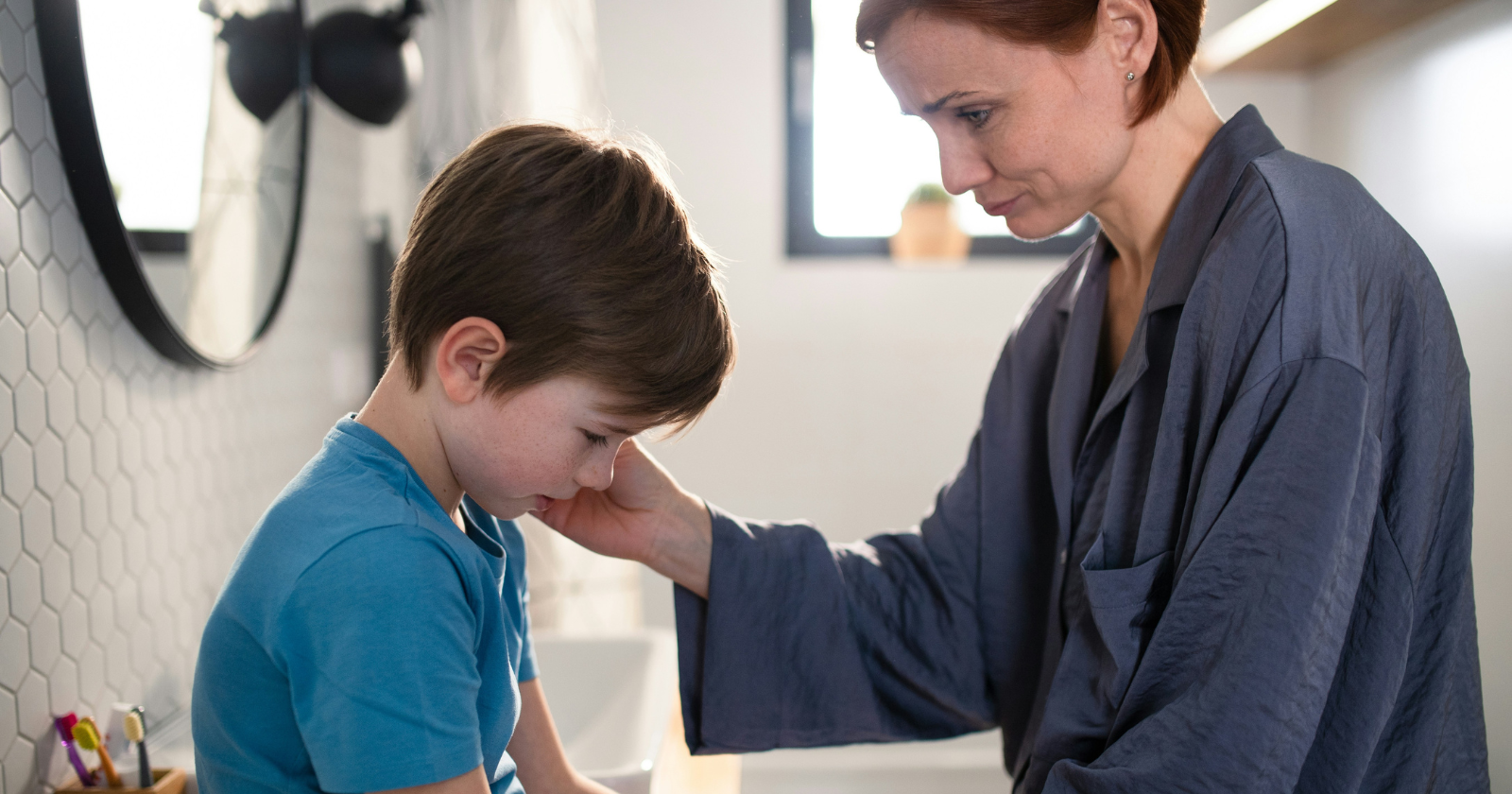
Last week, I completely lost it over spilled paint water on our kitchen table. Not my finest parenting moment. But here’s what happened next: I took a breath, knelt down to Ellie’s eye level, and said those three powerful words: “I was wrong.”
Her little face transformed from worried to relieved, and she threw her arms around me. That simple apology did more than clean up my mess; it modeled something I never saw growing up.
You know what’s fascinating? Kids who grow up hearing their parents apologize when they mess up don’t just learn about accountability. They develop a whole constellation of traits that most adults struggle with their entire lives. After years of observing families at the park, chatting with other parents at the farmers’ market, and yes, learning from my own stumbles, I’ve noticed eight specific qualities these kids carry into adulthood.
1. They own their mistakes without drowning in shame
Ever notice how some adults twist themselves into pretzels to avoid admitting fault? Not these folks. When you grow up seeing your parents say “I shouldn’t have yelled” or “I made a mistake with that decision,” you learn that being wrong isn’t the end of the world.
These adults can walk into their boss’s office and say, “I dropped the ball on that project” without their self-worth crumbling. They understand the difference between making a mistake and being a mistake. That distinction? It’s everything.
My evening check-ins with Matt often include admissions like “I handled that homework situation poorly.” Our kids are listening, even when we think they’re not. They’re learning that strong people acknowledge when they’re wrong.
2. They repair relationships naturally
Remember that friend who could never apologize after an argument? Chances are, they never saw it modeled at home. Adults who witnessed parental apologies understand that relationships need maintenance, just like gardens need water.
They don’t let conflicts fester. They reach out after disagreements. They know how to say “I hurt you, and I want to make it right” without choking on the words. This skill alone saves marriages, friendships, and work relationships that others let wither from pride.
I practice repair quickly when I lose patience (which, let’s be honest, happens more than I’d like with a 2-year-old testing every boundary). Each time I do, I’m teaching my kids that love means circling back to fix what we break.
3. They see others as complex humans, not villains
When parents apologize, they reveal their humanity. Kids learn that good people sometimes do thoughtless things. This understanding creates adults who can hold space for complexity in others.
Instead of writing people off after one mistake, they think, “They’re having a hard time” or “Maybe there’s more to this story.” They become the friends who check in when someone’s acting off. They become the partners who ask, “What’s really going on?” during conflicts.
Related Stories from The Artful Parent
- My daughter told me at 34 that the reason she never calls when something goes wrong is because I always made her problems about my feelings — and I sat there realizing she was right and I’d been doing it her entire life
- Children who were raised by parents who never admitted they were struggling financially often carry these 8 complicated feelings about money, generosity, and what they owe their parents as adults
- Psychology says parents who become easier and warmer with their grandchildren aren’t just ‘mellowing with age’ — they’re finally parenting without the economic terror and social judgment that shaped how they raised their own kids
4. They embrace vulnerability as strength
Society tells us that admitting fault is weakness. But kids who see their parents apologize learn the opposite truth: vulnerability takes serious courage.
These adults can say “I don’t know” in meetings without feeling diminished. They can ask for help without shame. They can share their struggles without fearing judgment. In a world where everyone’s trying to look perfect (guilty as charged when I scroll through those Instagram-perfect families), this authenticity is like finding water in the desert.
During hard moments, I repeat “progress not perfection” to myself, and my kids hear it. They’re learning that growth matters more than getting it right every time.
5. They develop incredible emotional intelligence
Have you ever watched a parent apologize meaningfully to a child? It requires reading the situation, understanding impact, managing your own ego, and communicating with empathy. Kids absorb all of this.
As adults, they can read a room. They notice when someone’s uncomfortable. They understand how their actions affect others. They can navigate complex emotional situations that leave others stumped.
My default response to my kids’ big feelings is “Tell me more.” But when I’m the one who caused those feelings? That’s when they really learn about emotional intelligence, watching me acknowledge, validate, and repair.
- Psychology says a woman who has lost her joy doesn’t fall apart loudly—she starts using a specific set of 8 quiet phrases that sound like she’s fine and mean something else entirely - Global English Editing
- I’m 37 and I spent six months trying to become more disciplined, more productive, more consistent – and then I realized the version of myself I was chasing was just another way to avoid sitting with who I actually am - Global English Editing
- I’m 42 and last week I caught myself saying ‘I’m so lucky’ about something I was clearly unhappy about and that’s when I realized I’ve been using gratitude as a way to gaslight myself for at least fifteen years - Global English Editing
6. They break generational patterns
Here’s something powerful: adults who received apologies as kids are more likely to break harmful family patterns. Why? Because they’ve seen that change is possible.
When your parent says, “I’m sorry I yelled like my dad used to; I’m working on it,” you learn that we’re not doomed to repeat history. These adults consciously choose different paths. They seek therapy. They read parenting books. They ask themselves, “Is this how I want to show up?”
They become cycle breakers, and that takes extraordinary courage.
7. They trust more deeply
Counterintuitive, right? You’d think seeing parents make mistakes would erode trust. But actually, parents who apologize build deeper trust because they’re showing integrity.
These kids grow into adults who can trust others’ intentions, even when things go wrong. They understand that trustworthy people aren’t perfect people; they’re people who take responsibility. This allows them to form deeper, more authentic relationships.
They don’t expect perfection from partners, friends, or colleagues. They expect honesty. And that changes everything.
8. They extend grace to themselves
Perhaps most importantly, these adults know how to forgive themselves. They’ve internalized that making mistakes is human, that repair is possible, that tomorrow is a new day.
While others spiral in self-criticism after messing up, they take responsibility, make amends, and move forward. They talk to themselves like they’d talk to a good friend. They understand that beating yourself up doesn’t undo anything; making it right does.
The ripple effect
What strikes me most about these traits is how they ripple outward. Adults who possess them create healthier workplaces, stronger marriages, and more resilient communities. They raise kids who feel safe to fail and learn.
Every time I apologize to my kids, even when it feels uncomfortable or when my pride resists, I remember I’m not just healing today’s mistake. I’m planting seeds for the adults they’ll become, the relationships they’ll build, the patterns they’ll break.
So tonight, when I inevitably lose patience during bedtime chaos, or tomorrow when I overreact to muddy footprints, I’ll kneel down, look them in the eyes, and show them what accountability looks like. Not because I’m perfect at this parenting thing (far from it), but because they deserve to grow up knowing that love means taking responsibility, that strength includes admitting weakness, and that the best people aren’t those who never mess up but those who know how to make things right.