
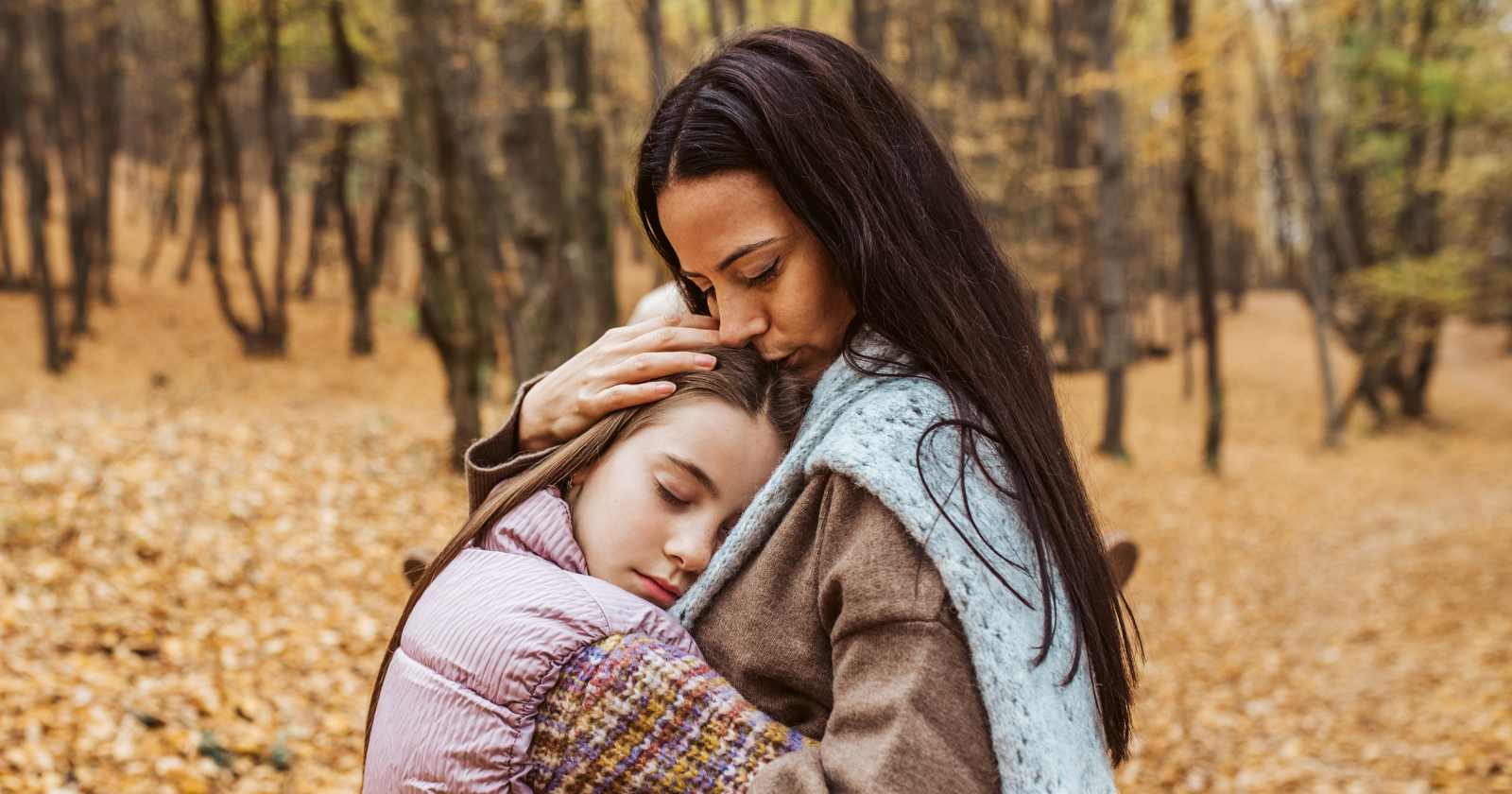
“Mom, I wish you had kept teaching. Or writing. Or doing something that was just yours.”
My daughter’s words hit me like a physical blow. She was 25, visiting for the weekend, and we’d been looking through old photo albums when she said it. In those fading pictures, she saw a woman who used to paint, who had girlfriends’ nights, who talked passionately about her kindergarten students. And then she saw that woman disappear.
“I feel like I’m the reason you gave everything up,” she continued, her voice breaking. “And that’s a weight I never wanted to carry.”
I’d spent decades believing that sacrificing everything for my children was the ultimate act of love. Turns out, I was wrong.
The slow disappearance of who I used to be
It didn’t happen overnight. When I found out I was pregnant with my first, I was seven years into teaching kindergarten. I loved those chaotic mornings, the sticky hugs, the lightbulb moments when a five-year-old finally grasped a concept. But after she was born, returning to the classroom felt impossible. How could I pour myself into other people’s children when my own needed me?
The decision felt noble at the time. Natural, even. I practiced attachment parenting with the dedication of someone who’d found religion. Co-sleeping, extended breastfeeding, babywearing – I threw myself into it all. Every parenting book I read reinforced the message: your children need you present, fully available, completely devoted.
So I became that mother. The one who was always there. Always available. Always saying yes to one more story, one more craft project, one more trip to the park.
My art supplies gathered dust in the garage. The novel I’d been outlining became a forgotten file on an old laptop. Friendships withered when I chose the alternative parenting path and couldn’t relate to moms who were eager to get back to work or have date nights. Even the relationship I’d built with my husband – we’d met at a friend’s backyard BBQ and bonded over hiking – shifted entirely to co-parenting mode.
But I told myself this was temporary. Once the kids were older, I’d rediscover myself. There would be time for my dreams later.
When sacrifice becomes suffocation
Have you ever noticed how martyrdom can become an identity? I wore my exhaustion like a badge of honor. When other moms complained about needing a break, I’d smile knowingly and say something about how quickly these years pass. When friends invited me out, I’d decline with a practiced explanation about bedtime routines and attachment needs.
The truth is, being needed felt good. Essential, even. Every milestone my children reached felt like my personal achievement. Their happiness was my happiness. Their struggles were my struggles. The boundaries between us became so blurred that I couldn’t tell where they ended and I began.
Related Stories from The Artful Parent
- The mother who wakes up 30 minutes before everyone else not because she’s a morning person but because those 30 minutes are the only ones that belong entirely to her — and she’ll never tell her family this because the guilt of needing space from the people she’d die for is a math problem that doesn’t have an answer
- Psychology says the reason good parents often feel like failures isn’t because they did anything wrong — it’s because parenting is the only job where success looks like the person you devoted everything to no longer needing you
- 8 things children of the 1960s and 70s got from their grandparents that today’s children are growing up without — and what it’s quietly costing them
But here’s what nobody tells you about making yourself indispensable: it teaches your children that their needs matter more than anyone else’s. That love means self-erasure. That a good mother has no desires beyond her children’s wellbeing.
I thought I was modeling devotion. I was actually modeling how to lose yourself.
The myth of the selfless mother
Society loves a selfless mother. We’re praised for putting our children first, celebrated for our sacrifices, admired for our ability to subsume our identities into motherhood. But what message does this send to our kids?
My daughter watched me give up teaching without ever talking about missing it. She saw me stop painting without expressing any grief over that loss. She witnessed friendship after friendship fade away while I insisted I was perfectly content with playdates and mommy groups.
“You never complained,” she told me during that weekend visit. “But I could feel it. This underlying sadness. And I thought it was my fault.”
Can you imagine carrying that burden? Believing that your very existence caused your mother to abandon her dreams?
- I’m 66 and the clearest sign of a strong personality I’ve observed in people my age isn’t in how they handle conflict or disagreement — it’s in how they handle being ignored, overlooked, talked over, and whether they need to correct it or whether they’re genuinely fine either way, and the ones who are genuinely fine either way are the most formidable people I know - Global English Editing
- 9 phrases a woman starts using when she has quietly made peace with not being happy — and stopped expecting anyone around her to notice - Global English Editing
- Psychology says adults who sabotage relationships right when they get serious aren’t commitment-phobic — they’re operating with a nervous system that learned in childhood that closeness is the most dangerous moment, right before abandonment or punishment arrives - Global English Editing
The irony is crushing. In trying to give my children everything, I taught them that their mother’s dreams didn’t matter. That women’s ambitions were disposable. That love meant sacrifice to the point of self-obliteration.
Learning to ask for help (and why it matters)
One of my biggest regrets is that I never learned to ask for help. Not really. Sure, I’d accept offers when they came, but actively seeking support? Admitting I was drowning? That felt like failure.
I remember one particularly difficult week when both kids were sick, my husband was traveling for work, and I hadn’t slept more than two hours at a time in days. A neighbor offered to watch the kids for an hour so I could shower and grab groceries alone. I declined, insisting I had everything under control.
Why? Because somewhere along the way, I’d internalized the message that good mothers don’t need help. They handle everything with grace and patience and endless reserves of energy.
But children who watch their parents refuse help learn that asking for support is weakness. They learn that struggling in silence is noble. They learn that burnout is just part of adult life.
What if I’d shown them instead that seeking help is brave? That maintaining your identity while raising children is possible? That mothers are whole humans with valid needs and dreams?
Reclaiming what’s left (and what’s possible)
After my daughter’s revelation, something shifted. At first, I felt defensive. Didn’t she understand everything I’d done for her? The career I’d walked away from? The friendships I’d let go? The hobbies I’d abandoned?
But then I really heard her. She wasn’t asking for those sacrifices. She never wanted to be the reason I stopped living my own life. No child wants that responsibility.
So now, in my forties, I’m trying to rediscover who I am beyond “mom.” It’s harder than you might think. When you’ve spent decades defining yourself through your children’s needs, wants, and achievements, finding your own becomes almost archaeological. You’re digging through layers of accumulated identity to find the person you used to be – or perhaps the person you never got to become.
I’ve started painting again. My hands shake and the colors don’t blend the way they used to, but there’s something healing about creating something that has nothing to do with anyone else’s needs. I’m reaching out to old friends, admitting that I lost myself for a while and asking if there’s still room for reconnection.
The gift we really owe our children
Looking back, I realize the greatest gift I could have given my children wasn’t my constant presence or my endless availability. It was a model of a woman living a full, authentic life. A mother who pursued her passions, maintained her friendships, and showed them that caring for others doesn’t require self-annihilation.
Because martyrdom isn’t love. It’s fear dressed up as devotion. Fear that we’re not enough. Fear that our children will suffer without our constant vigilance. Fear that pursuing our own dreams makes us selfish.
Real love – the kind that raises confident, independent children – shows them that everyone’s dreams matter. That mothers are people too. That you can love deeply without losing yourself completely.
My daughter’s words that weekend freed something in me. Not guilt, though there was plenty of that. But permission. Permission to stop wearing sacrifice like armor. Permission to want things for myself. Permission to show my children, even now, that it’s never too late to reclaim your life.
The woman in those old photos isn’t gone. She’s just been waiting, patiently, to be remembered.