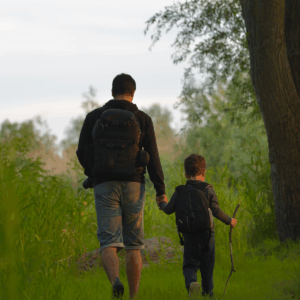

Looking back at 68 years of life, there’s one truth I can’t escape: I made plenty of mistakes raising my three kids.
Not the kind that land you on the evening news, but the everyday missteps that shape who your children become—and more importantly, who they don’t become.
My kids turned out fine, mind you. All three have families of their own now, good careers, and they still call me on Sundays. But “fine” isn’t the same as flourishing, and there are nights when I lie awake thinking about what I could have done differently.
If I could sit down with my younger self—that ambitious thirty-something who thought he had parenting all figured out—here’s what I’d tell him.
1. I should have been there more
This one stings the most.
I missed my middle child’s first school play because of a “critical” meeting that, looking back, wasn’t critical at all. I can still picture my wife recording it on that old camcorder, promising we’d watch it together later. We did, but it wasn’t the same.
The truth is, I was chasing promotions and raises, thinking I was being a good provider. What I didn’t realize was that my kids didn’t need a bigger house or fancier vacations. They needed their dad in the audience, cheering them on when they forgot their lines or scored their first goal.
These days, when I watch my grandchildren’s events, I never miss one. Not because I’m retired with more time, but because I finally understand what actually matters. Those PowerPoint presentations I stayed late to perfect? Nobody remembers them. But my kids remember the empty seat.
2. I wish I’d let them fail more
When my oldest was struggling in high school chemistry, I hired the best tutor money could buy.
When my youngest didn’t make the basketball team, I called the coach to “discuss” it. I thought I was helping, but I was actually stealing something precious from them: the chance to learn from failure.
Kids need to experience disappointment while the stakes are low. They need to bomb a test, get cut from a team, or lose a friendship—not because we want them to suffer, but because that’s how they develop grit.
Related Stories from The Artful Parent
- I’m 65 and I stopped arguing politics with my daughter three years ago — not because I gave up on her, but because I finally understood that protecting our relationship mattered more than being right about things neither of us can control
- Psychology says the hardest part of watching your parents age isn’t the physical decline – it’s the moment you realize they’ve started performing competence the same way you performed adulthood when you first moved out, and you’re both pretending not to notice the act
- Psychology says people others describe as ‘easy to talk to’ aren’t being casual — they’re performing one of the hardest social skills that exists
My grandchildren are learning this lesson differently. When my granddaughter recently came last in her swimming race, I watched my son resist the urge to make excuses for her. Instead, he asked if she wanted to practice more or try a different stroke. She’s already a stronger kid than her parent was at that age.
3. I should have apologized more
Pride is a terrible parenting tool, yet I wielded it like a badge of honor.
When I was wrong—and I was wrong plenty—I’d double down rather than admit it. “Because I said so” was my favorite conversation ender. I thought admitting mistakes would undermine my authority. What it actually did was teach my kids that being right was more important than being honest.
If you’re a regular reader, you may remember I wrote about the power of vulnerability in relationships. Well, that applies double for parents. Your kids need to see you mess up, own it, and make amends. It’s how they learn that imperfection is human and that relationships can survive mistakes.
4. I pushed too hard for the wrong things
My oldest son had a gift for art. His sketches were incredible, even as a teenager. But I pushed him toward business school because artists don’t make money, right?
It took him until his mid-thirties to find his way back to design, and even now, there’s a hesitation in his creative work that breaks my heart. That’s on me. I prioritized security over passion, and in doing so, I dimmed a light in him that’s never fully recovered its brightness.
- Gary Vaynerchuk says bloggers who obsess over monetization before audience-building are making a fatal mistake - The Blog Herald
- The people’s opera: what a 2009 Twitter experiment reveals about audience-led content - The Blog Herald
- How to protect your personal brand on social media as a blogger - The Blog Herald
The lesson? Pay attention to who your kids actually are, not who you think they should be. Their interests aren’t phases to outgrow; they’re clues to their authentic selves.
5. I didn’t take care of myself
For years, I wore exhaustion like a medal. Working sixty-hour weeks, skipping lunch, powering through on coffee and determination. I thought I was modeling hard work. I was actually modeling burnout.
My kids grew up watching me put everyone else’s needs first, never taking time to exercise, read for pleasure, or just rest. Now I see the same patterns in them—the inability to say no, the guilt over taking vacation days, the constant state of being “busy.”
Self-care isn’t selfish. It’s showing your children that they deserve to be healthy and happy, not just productive.
6. I should have listened more and advised less
Every time my kids came to me with a problem, I immediately switched into fix-it mode. Bad day at school? Here’s what you should do. Friend troubles? Let me tell you how to handle it.
My younger son finally told me, when he was about twenty-five, that my constant advice felt like criticism. That stopped me cold. All those years, I thought I was helping, but I was actually sending the message that he couldn’t figure things out on his own.
Sometimes kids just need someone to hear them. They need to vent about their terrible teacher or their annoying friend without getting a lecture on conflict resolution. Learning when to offer solutions and when to just offer empathy would have saved us both a lot of frustration.
7. I wish I’d shared my own struggles
I maintained this facade of having everything together, never letting my kids see me struggle or doubt myself. I thought I was protecting them, giving them a sense of security.
But kids are perceptive. They knew when I was stressed about work or worried about money. By not acknowledging these struggles, I taught them to hide their own difficulties. I created a family culture where problems were swept under the rug rather than discussed openly.
Now, watching my sons navigate parenthood, I try to be more honest. I tell them about the nights I didn’t know if I was doing anything right, about the times I felt completely overwhelmed. These conversations have brought us closer than all those years of pretending to be Superman ever did.
Closing thoughts
Writing this hasn’t been easy. It’s tempting to defend my choices, to explain that I did the best I could with what I knew then. And that’s true. But it’s also true that I could have done better.
The good news? It’s never too late to change. I can’t redo my kids’ childhoods, but I can be a different kind of grandfather. I can share these lessons with young parents who might benefit from them. And I can finally forgive myself for not being perfect.
What about you? If you could go back, what would you do differently?