
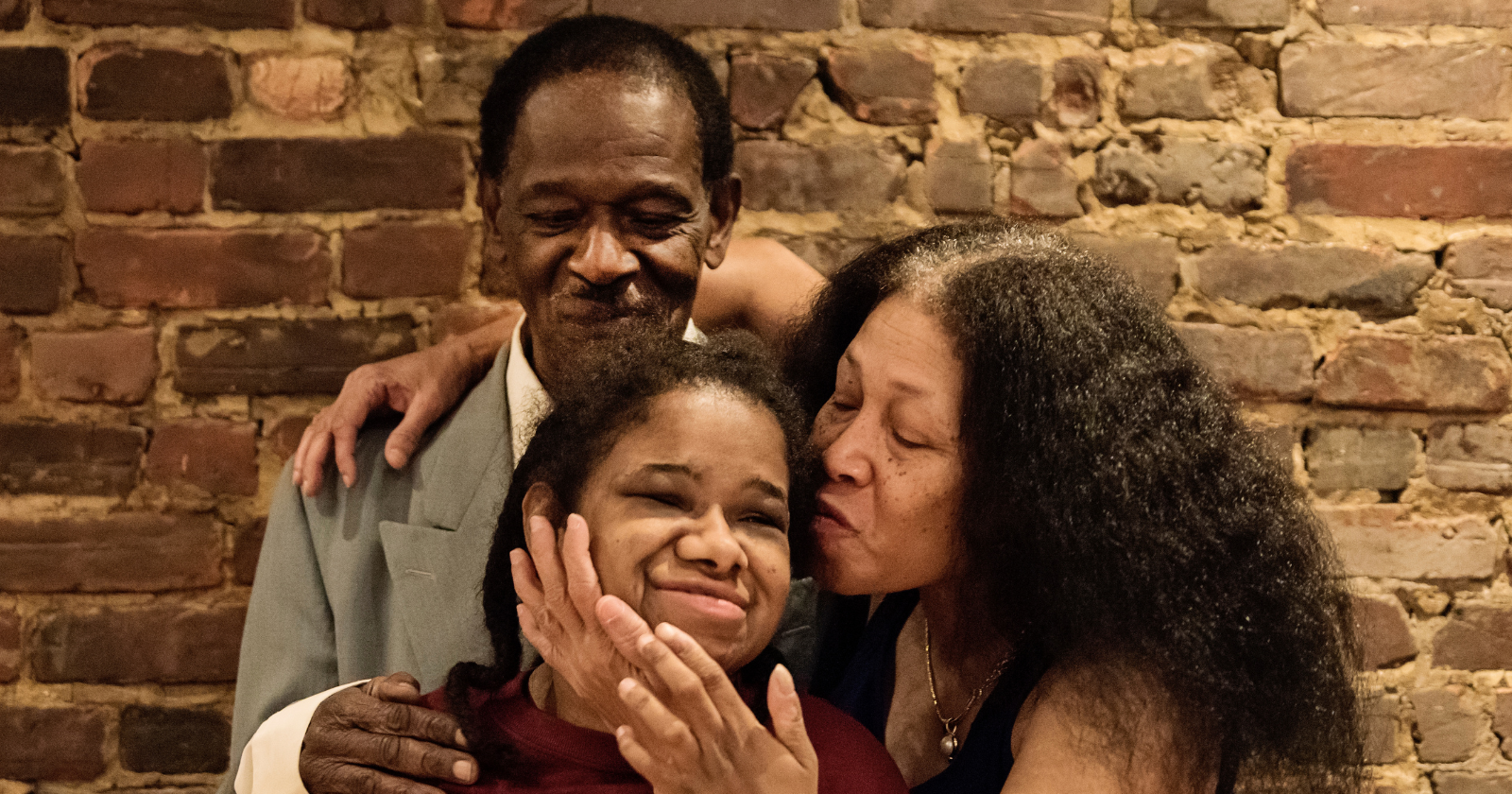
Family gatherings are supposed to be these warm, cozy reunions where love flows freely and everyone feels connected.
Yet, if you’re being honest, don’t they sometimes leave you feeling more drained than a week of work deadlines?
Here’s the thing I’ve noticed after years of navigating holiday dinners and birthday celebrations: Our parents can simultaneously love us deeply and completely exhaust us without even realizing it.
The very gestures meant to show care can somehow leave us counting the minutes until we can retreat to our own space.
I’ve been thinking about this a lot lately, especially as I watch my own kids at family gatherings.
Will they one day feel this same exhaustion? What patterns am I already creating without knowing it?
Let me share what I’ve observed, both from my own experience and from countless conversations with friends who arrive at family events with excitement and leave needing three days to recover.
1) Treating you like you’re still fifteen
Remember when you were a teenager and your mom would remind you to grab a jacket before leaving the house? Well, some parents never stop.
At thirty-something, I still get asked if I’ve eaten enough, if I’m warm enough, or if I remembered to pack snacks for my kids.
Last Thanksgiving, my mother actually tried to cut my meat for me when she thought I was struggling with a particularly tough piece of turkey.
I was just taking my time while managing my toddler’s plate, but there she was—fork in hand—ready to help her “baby.”
Related Stories from The Artful Parent
- Psychology says parents who constantly ask themselves ‘was I a good parent’ usually were — the ones who caused real damage rarely question themselves at all
- Parents who were raised in emotionally distant homes often repeat these 7 patterns with their own adult children without realizing it — and breaking the cycle requires admitting that love and obligation aren’t the same thing
- Psychology says feeling annoyed by your aging parents while simultaneously loving them isn’t a character flaw — it’s your nervous system responding to decades of unmetabolized family patterns that never got addressed
The intention is pure love.
They want to care for us and to make sure we’re okay, but when you’ve been managing your own household, making major life decisions, and raising your own children, being treated like you can’t handle basic tasks feels infantilizing.
It’s exhausting to constantly prove your competence to people who changed your diapers.
2) Offering unsolicited advice about everything
“You know, when you were little, we never did all this attachment parenting stuff, and you turned out fine.”
Sound familiar? Whether it’s about your parenting choices, your career, your relationship, or even how you load the dishwasher, some parents have opinions about everything.
They share them, constantly.
My journey toward more natural, holistic living has been a particular source of “helpful suggestions” at family gatherings.
Every choice from co-sleeping to limiting screen time becomes a discussion point, a one-way stream of advice about how things were done “back in the day.”
What makes this exhausting is the implied message that you don’t know what you’re doing, and that your carefully considered choices are somehow less valid than their experience from decades ago.
3) Rehashing old family stories that cast you in outdated roles
Every family gathering, without fail, someone brings up the time I cried at my fifth birthday party because the cake wasn’t chocolate, or how I was “always the sensitive one” who needed extra reassurance, or that phase in middle school when I tried to go vegetarian and lasted exactly three days.
These stories freeze us in time.
They reinforce family roles that we might have spent years trying to outgrow:
- The perfectionist.
- The people-pleaser.
- The rebellious one.
- The baby of the family.
I’ve worked hard to process and move past some of these patterns, particularly the people-pleasing and perfectionism that defined so much of my younger years.
However, one family dinner with the old stories flowing, and suddenly I’m right back in that role, defending choices I made when I was twelve.
4) Making everything a comparison
“Your cousin just bought a house.”
“Did you see your sister’s promotion announcement?”
“The neighbors’ kids are already reading at grade level.”
Comparisons might seem like casual conversation, but they carry weight and they create this underlying competition that nobody asked for.
Even when the comments aren’t directly critical, they set up these invisible measuring sticks that leave everyone feeling like they’re either ahead or behind.
With my own kids, I see how differently they’re developing.
My daughter was chatty and curious from early on, while my son is more physical, more about climbing and building.
They’re both perfect as they are, but at family gatherings, these differences become talking points, comparisons, subtle concerns about whether one is hitting milestones “on time.”
5) Dismissing boundaries as being “too sensitive”
Setting boundaries with family about parenting choices has been one of my biggest challenges.
When I ask that sugary snacks not be given right before dinner, or that my kids’ “no” be respected when they don’t want to give hugs, I’m often met with eye rolls or comments about being “too protective” or “overthinking things.”
“We’re family,” they say, as if that erases the need for respect and boundaries.
As if love means never having to honor someone’s clearly stated needs.
The exhausting part is having to defend it, repeatedly, while being made to feel like you’re being difficult or ungrateful for the love being shown.
6) Creating obligations disguised as invitations
“We’d love to see you this weekend” sounds like an invitation, but often it’s an expectation wrapped in polite words.
Declining isn’t really an option without hurt feelings, guilt trips, or future references to that time you “couldn’t make it.”
These obligations pile up: Every birthday, every holiday, every random Sunday becomes a command performance where absence requires a really good excuse.
Having your own family rhythm, your own need for quiet weekends, your own traditions? These get pushed aside for the greater good of “family time.”
Don’t get me wrong, I value family connections.
However, the pressure to be constantly available, to never miss an event, to prioritize extended family gatherings over your nuclear family’s needs?
That’s a special kind of exhausting.
7) Never moving past surface-level connection
Growing up, we ate dinner together every night.
The table was set, the food was home-cooked, and everyone was present.
But the conversations? They stayed safe:
- How was school? “Fine.”
- How was work? “Fine.”
- Any plans for the weekend? “The usual.”
This pattern continues at adult family gatherings.
We can spend hours together talking about weather, sports, what the kids are up to, without ever really connecting.
Real topics, the ones that matter, stay off-limits; your struggles, your growth, your actual thoughts and feelings about life? Those don’t fit the script.
When you’ve done the work to understand yourself better, to be more authentic in your relationships, returning to these surface-level interactions feels like wearing clothes that no longer fit.
You love these people, but you can’t really be yourself with them.
Finding your way forward
Here’s what I’m learning: Loving your parents and finding them exhausting aren’t mutually exclusive.
Both can be true, and both are true for many of us.
The challenge is figuring out how to honor the love while protecting your energy, how to appreciate their intentions while maintaining your boundaries, and how to be grateful for family while also recognizing that the dynamics might not always serve who you’ve become.
I’m still working on this balance as some gatherings go better than others.
Sometimes, I successfully navigate the outdated roles and unsolicited advice with grace; other times, I need those three days to recover.
What helps is remembering that they’re doing their best with the tools they have, just like I’m doing my best with mine.
Hopefully, when my kids are adults, they’ll extend me the same understanding when I inevitably do things that exhaust them, even though they’re done with love.