

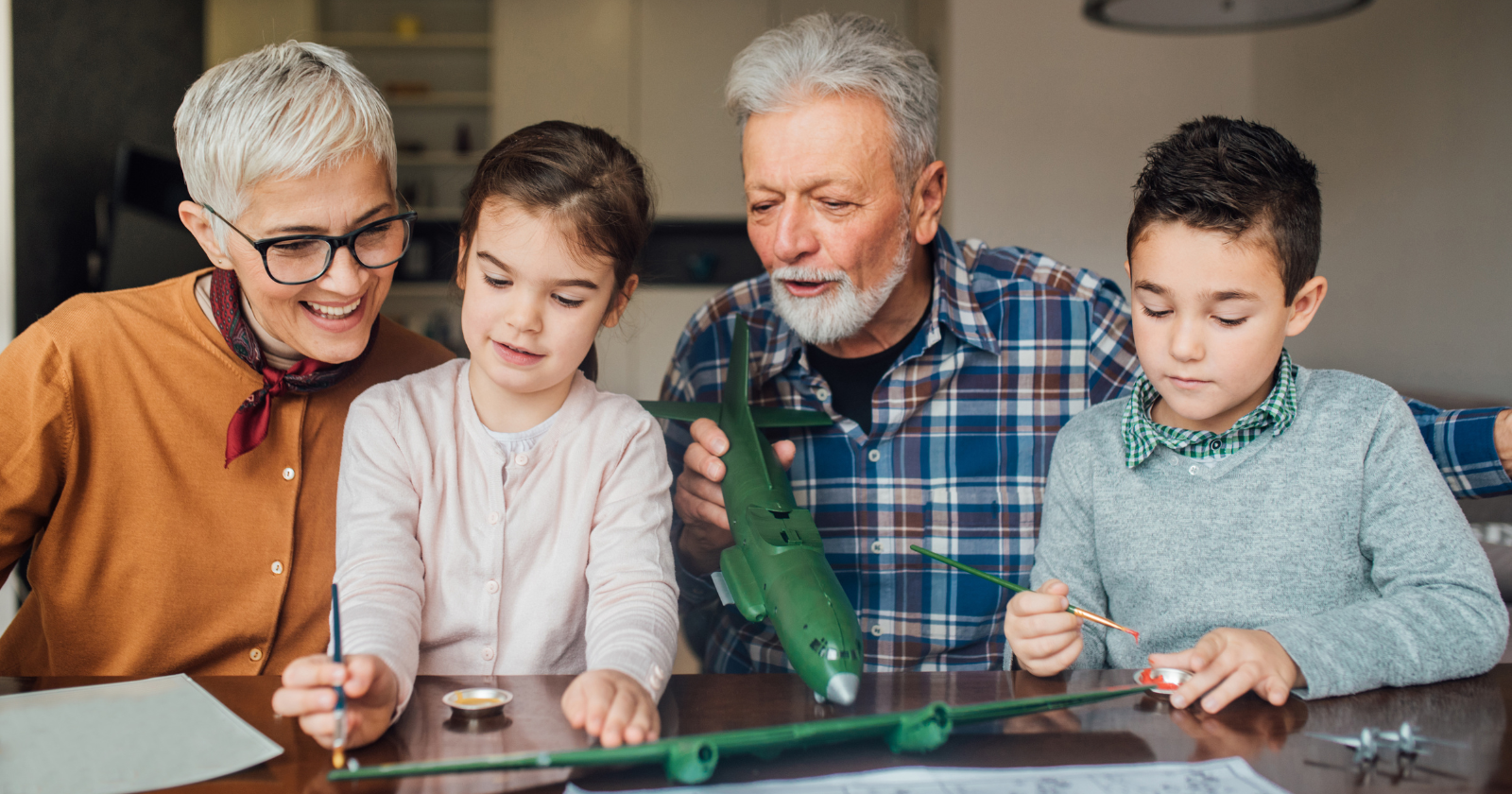
Last week at the park, I watched an older woman teaching her granddaughter to ride a bike. The patience in her voice, the gentle way she steadied the handlebars—it reminded me of something I couldn’t quite place.
Later that evening, while tucking Ellie in, it hit me. That same careful tenderness was exactly how my friend Sarah describes her grandmother, who raised her after her parents couldn’t.
Sarah’s one of the most empathetic people I know, but she also struggles with things I’d never connected to her upbringing. It wasn’t until I started reading about the psychology behind grandparent-raised children that the pieces clicked together.
When grandparents step in as primary caregivers, they’re often saving the day during a crisis. But the ripple effects of this arrangement can show up decades later in unexpected ways. If you were raised by your grandparents, or know someone who was, these traits might feel surprisingly familiar.
1) They’re exceptionally good at reading the room
Growing up with grandparents often means living with caregivers from a different generation—people who might not always understand your world. Kids in this situation become masters at picking up subtle cues. Is grandma tired today? Better keep quiet. Is grandpa stressed about money? Time to be extra helpful.
This hyperawareness doesn’t just disappear in adulthood. These individuals often become the friend everyone turns to for advice, the coworker who senses tension before anyone else speaks up. They’ve spent years fine-tuning their emotional radar.
But here’s the flip side: constantly scanning for other people’s needs can be exhausting. When you’re always anticipating what others want, you might forget to check in with yourself.
2) They struggle with feeling “different” even when they’re not
Remember school events where everyone brought their parents? For grandparent-raised kids, these moments highlighted their difference. Even when their grandparents showed up with love and cookies, something felt off.
Psychology Today notes that “Children raised by grandparents may have experienced higher rates of adverse childhood events, such as parental death or incarceration, compared to those raised by parents.”
This sense of being “other” often follows them into adulthood. They might feel like outsiders in conventional family discussions or struggle to relate when friends complain about their parents. Even in rooms full of people with similar experiences, that childhood feeling of not quite fitting the mold can linger.
3) They have complicated relationships with technology
While other kids had parents helping with computer homework or setting up social media accounts, grandparent-raised children often navigated the digital world alone.
Related Stories from The Artful Parent
- The hardest part of parenting adult children isn’t letting go — it’s these 8 quiet realizations about how much of yourself you gave away and whether you’ll ever get it back
- Psychology says people who were raised by emotionally distant parents don’t struggle with love — they struggle with believing they’re worth staying for, and these 9 behavioral patterns reveal how deeply that belief runs
- 7 signs an adult child is starting to pull away emotionally — and the one that always comes first before any of the others
Their caregivers might have been loving and supportive in every other way, but technology created a unique generational gap.
As adults, they might be incredibly tech-savvy from figuring everything out themselves. Or they might have lingering insecurities about their digital skills, always feeling slightly behind even when they’re not.
4) They’re drawn to older people and traditional values
Spending formative years with grandparents means absorbing their worldview. These adults often find themselves gravitating toward older mentors, appreciating handwritten letters, or valuing face-to-face conversations over texts.
They might be the thirty-something who knows how to darn socks, can vegetables, or play bridge. These skills and preferences aren’t just quirky hobbies—they’re connections to the people who raised them.
5) They experience unique social anxiety patterns
Research from BMC Psychology found that “Children raised by grandparents may experience higher levels of social anxiety and loneliness, potentially leading to increased addiction to social networking sites.”
This makes sense when you think about it. If your primary caregivers were from a different generation, you might have missed out on certain social learning opportunities. Maybe your grandparents didn’t understand the importance of playdates or couldn’t drive you to every birthday party.
- Psychology says one of the quietest forms of self-respect in later life is the decision to stop explaining yourself to people who have already decided what they think, and most people who finally make that decision describe the same thing afterwards, not conflict, not distance, but a lightness they hadn’t realised was available and can’t believe they waited so long to find - Global English Editing
- Psychology says the boomer men now entering their late 60s and 70s are carrying a specific kind of unhappiness that has almost no cultural language—they were raised to provide, protect and endure, and most of them did all three brilliantly, and the cruelest reward for a lifetime of quiet service is silence from the very people it was all for - Global English Editing
- I’m 55 and I recently calculated that I spent roughly eleven thousand hours commuting to a job I tolerated so I could fund a life I was too tired to enjoy, and that number has been sitting in my chest ever since - Global English Editing
As adults, this can manifest as feeling awkward in group settings or overcompensating online where social rules feel clearer and more controllable.
6) They’re incredibly resilient but hate asking for help
Most grandparents who raise grandchildren do so because of difficult circumstances. The children absorb this reality early: life is unpredictable, resources might be limited, and everyone needs to pull their weight.
This creates adults who can handle almost anything life throws at them. They’re the ones who stay calm in crises, who always have a backup plan. But asking for help? That feels impossible. They learned early not to be a burden, and that lesson stuck.
7) They have a deep appreciation for sacrifice
Watching grandparents take on parenting duties in their golden years teaches profound lessons about sacrifice and love. These adults understand what it means to put others first because they witnessed it daily.
They often become incredibly giving partners, friends, and parents themselves. But they might also struggle with guilt about their own needs or feel undeserving of the sacrifices made for them.
8) They carry invisible grief
Even in the most loving grandparent-led homes, there’s often an underlying loss—the absence of parents. Whether due to death, addiction, incarceration, or other circumstances, this absence leaves its mark.
PubMed research shows that “Grandparents raising grandchildren often face significant caregiver stress, including increased psychological distress and social isolation.”
When caregivers are stressed and isolated, children feel it. As adults, they might struggle with abandonment fears or have difficulty trusting that people will stay. They’ve learned early that sometimes love isn’t enough to keep families together.
9) They parent with intense intentionality
When these individuals become parents themselves, they often approach it with laser focus. They’re determined to be present, to provide stability, to be the parents they didn’t have.
This can create beautiful, connected relationships with their children. But it can also lead to anxiety about getting it “right” or overcompensating for their own childhood experiences.
Finding peace with the past
If you recognize yourself in these traits, know that your experience is valid and valuable. Being raised by grandparents comes with unique challenges, but it also builds character, empathy, and resilience that not everyone develops.
The key is recognizing how these early experiences shaped you without letting them define your limits. Maybe you struggle with social anxiety, but you’re also exceptionally intuitive. Perhaps you hate asking for help, but you’re the person everyone knows they can count on.
Understanding these connections between your upbringing and current patterns isn’t about blame or dwelling on the past. It’s about self-awareness and compassion—for yourself, for the grandparents who did their best, and even for the parents who couldn’t be there.
Your story might not fit the traditional family narrative, but that doesn’t make it any less valid or valuable. Those grandparent-raised roots run deep, shaping you in ways both challenging and beautiful.
