
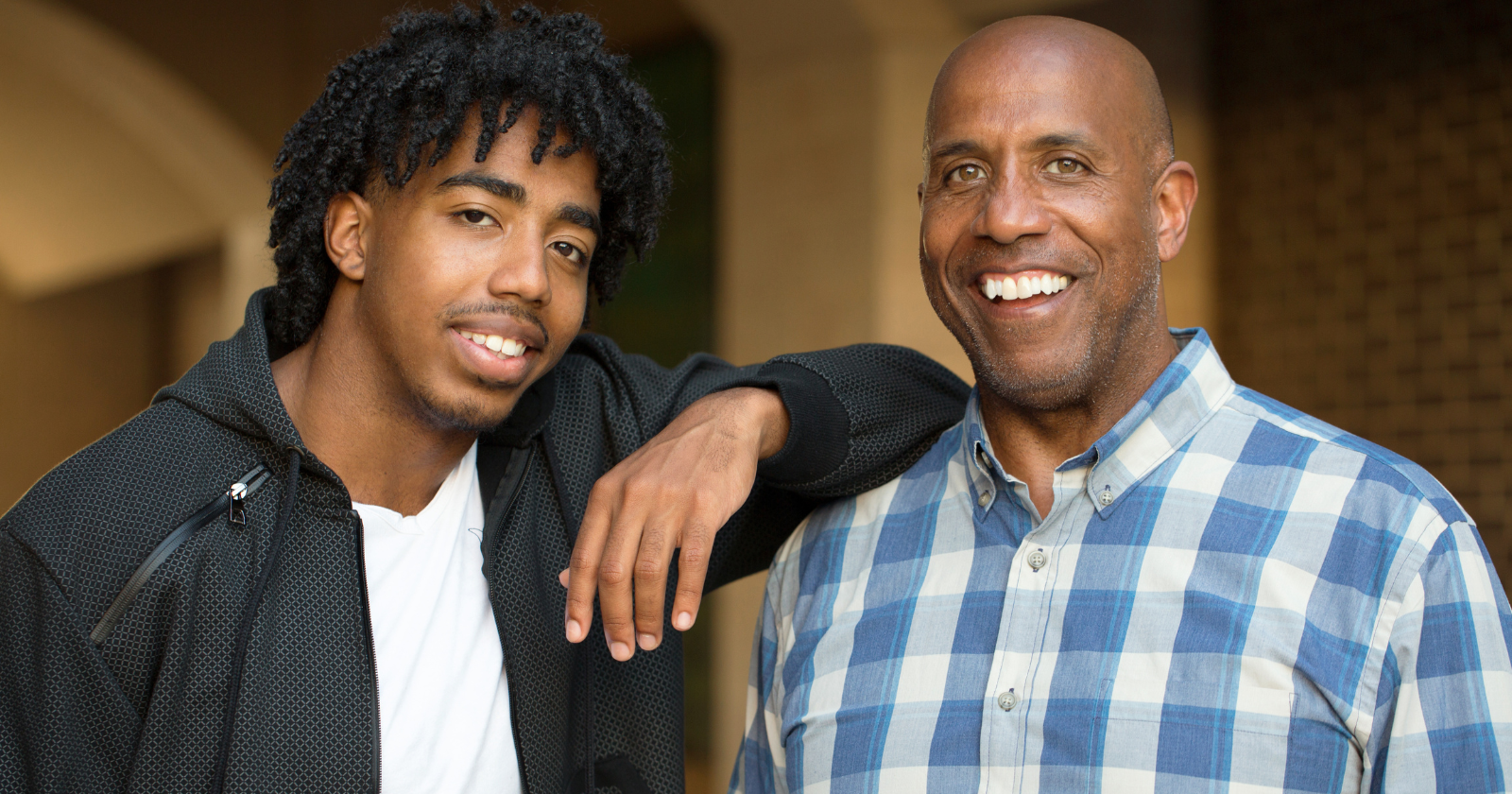
Last week, my son and I were sitting on his back porch when he said something that stopped me cold.
“Dad, you know what my favorite childhood memory is?”
I braced myself, thinking he’d mention one of those Disney vacations I’d saved for months to afford, or maybe the BMX bike I surprised him with after working double shifts that one Christmas.
“Those Thursday nights when you’d let me stay up past bedtime. We’d eat cereal and watch whatever was on TV. Just the two of us, not really talking. Those were the best.”
I sat there, stunned. All those years of overtime, all that money spent trying to create magical moments, and what stuck with him was Cap’n Crunch and late-night reruns.
The expensive illusion of perfect memories
Looking back, I fell into the same trap so many parents do. I thought memorable meant expensive. I thought special meant elaborate.
During my thirty-plus years in human resources, I watched countless coworkers burn themselves out trying to give their kids everything. More toys, bigger vacations, fancier birthday parties. We’d compare notes in the break room about what we were planning for summer vacation, each trying to outdo the last year’s adventure.
I remember one particularly exhausting week when I’d pulled extra shifts to pay for a weekend at an amusement park. The whole family went, and we did everything – every ride, every show, every overpriced souvenir.
By Sunday night, we were all exhausted and cranky. My younger son had a meltdown in the parking lot because his cotton candy got dropped.
But Thursday nights? Those were different. No agenda, no pressure to have fun, no schedule to keep. Just a bowl of whatever cereal was on sale and the glow of the TV. Sometimes we’d laugh at a funny commercial. Sometimes we’d just sit there, crunching away in comfortable silence.
Why simple moments hit differently
There’s something about unplanned, pressure-free time that creates deeper connections than any orchestrated event ever could.
Related Stories from The Artful Parent
- The boomer parent who raised four kids without a parenting book, a therapist, or a single conversation about emotional regulation didn’t fail. They operated inside a system that measured love in presence and provision and never once asked whether anyone felt understood.
- There’s a woman in every family who knows where the birth certificates are, which kid is allergic to what, when the car insurance renews, and what her mother-in-law said at Christmas in 2014 — and there is no job title for what she does and no retirement from it
- The most dangerous sentence in the English language isn’t a threat — it’s “I don’t want to be a burden” spoken by a 75-year-old parent who just decided in that moment to stop telling their children what they actually need
When I worked in HR, I spent years helping people navigate workplace conflicts and stress. One thing I learned was that genuine connection happens in the spaces between the big moments.
The real bonding happened not in our formal meetings but in those five minutes before everyone arrived, when people would chat about their weekends or share a laugh about something silly.
The same principle applied at home, though I didn’t realize it at the time.
Those Thursday nights weren’t about the cereal or the TV shows. They were about presence without performance. My son didn’t have to be grateful for an expensive trip. I didn’t have to be “on” as super dad. We could just exist together, no expectations attached.
Think about your own childhood. What do you actually remember? Sure, maybe you recall that big family vacation, but I bet you also remember the smell of your mom’s coffee in the morning, or the way your dad hummed while shaving, or how your grandmother let you lick the spoon when she baked.
The pressure we put on ourselves
As parents, we carry this weight of wanting to give our kids the perfect childhood. We scroll through social media and see other families at Disney World or on exotic vacations, and we think we’re falling short if we can’t provide the same.
- Research suggests people who remained in their hometown while their peers left develop a paradoxical identity — they become the keeper of a world that’s slowly disappearing around them, the last person who remembers what the high street looked like before the chains arrived, and that role carries both pride and a loneliness that people who left will never understand because they took their version of the town with them when they went - Global English Editing
- I’m 73 and I’ve learned that the marriage conversations that matter most never start with “we need to talk” — they start with a long drive, a bad week, or one of you finally saying something true by accident - Global English Editing
- Research suggests the most damaging legacy of growing up with one strong parent and one weak parent isn’t the resentment toward the weak parent — it’s the internalized belief that love is something you earn by being useful, and that the moment you stop being useful, you become as invisible as the parent who didn’t show up - Global English Editing
I was especially guilty of this during my boys’ teenage years. Work got more demanding, and I tried to compensate for my absence with bigger gestures when I was around. If I couldn’t be there for the small stuff, I’d make the big stuff count, right?
Wrong.
What I didn’t understand then was that kids don’t keep score the way we think they do. They’re not tallying up the dollars spent or the miles traveled. They’re absorbing moments of genuine connection, filing away the times they felt truly seen and comfortable.
My son once told me that what made those Thursday nights special was that I seemed relaxed. No work calls, no rush to get anywhere, no stress about making sure everyone was having the perfect time. Just dad in his sweatpants, sharing a midnight snack.
What really matters to kids
Now that I have four grandchildren, I see this truth playing out all over again. They love going to the zoo and the playground, sure.
But you know what they talk about weeks later? The time grandpa taught them how to skip rocks at the pond. The afternoon we spent building a fort out of couch cushions. The morning we made pancakes and I let them flip one (it stuck to the ceiling – we still laugh about it).
Being a grandfather is like being a parent with the volume turned down. Same love, less anxiety about getting it right. Maybe that’s why I can see more clearly now what really matters.
Kids want to feel like they belong. They want to know they’re worth your time, not your money. They want evidence that they matter enough for you to slow down and just be with them.
Those Thursday nights gave my son something no vacation could: proof that he was enough. Entertaining enough that I didn’t need a theme park. Important enough that I’d bend the bedtime rules. Comfortable enough that we didn’t need to fill the silence with forced conversation.
Finding your own Thursday nights
Every family has their own version of Thursday night cereal. Maybe it’s Saturday morning cartoons. Maybe it’s walking the dog together after dinner. Maybe it’s sitting on the front steps eating popsicles on hot summer evenings.
The key is recognizing these moments for what they are: the real treasure of childhood. Not Instagram-worthy, perhaps, but memorable in ways that matter.
If you’re reading this and feeling guilty about not providing enough elaborate experiences for your kids, stop. Your children don’t need your overtime hours converted into admission tickets. They need your presence, preferably in its most relaxed, authentic form.
Look for the small spaces in your routine where connection can happen naturally. Bedtime stories that turn into conversations. Car rides where the music gets turned down and the talking starts. Kitchen time while dinner’s cooking and they’re doing homework at the table.
Closing thoughts
I spent years thinking I needed to work harder to give my kids better memories. Turns out, the best memories were already happening while I was busy planning the expensive ones.
Last week, after my son shared his favorite memory, I asked him why he never told me before how much those nights meant to him.
“I didn’t know they were special until I grew up,” he said. “I just knew I liked them.”
So here’s my question for you: What simple, regular moments are you sharing with your kids right now that they’ll treasure twenty years from now?