
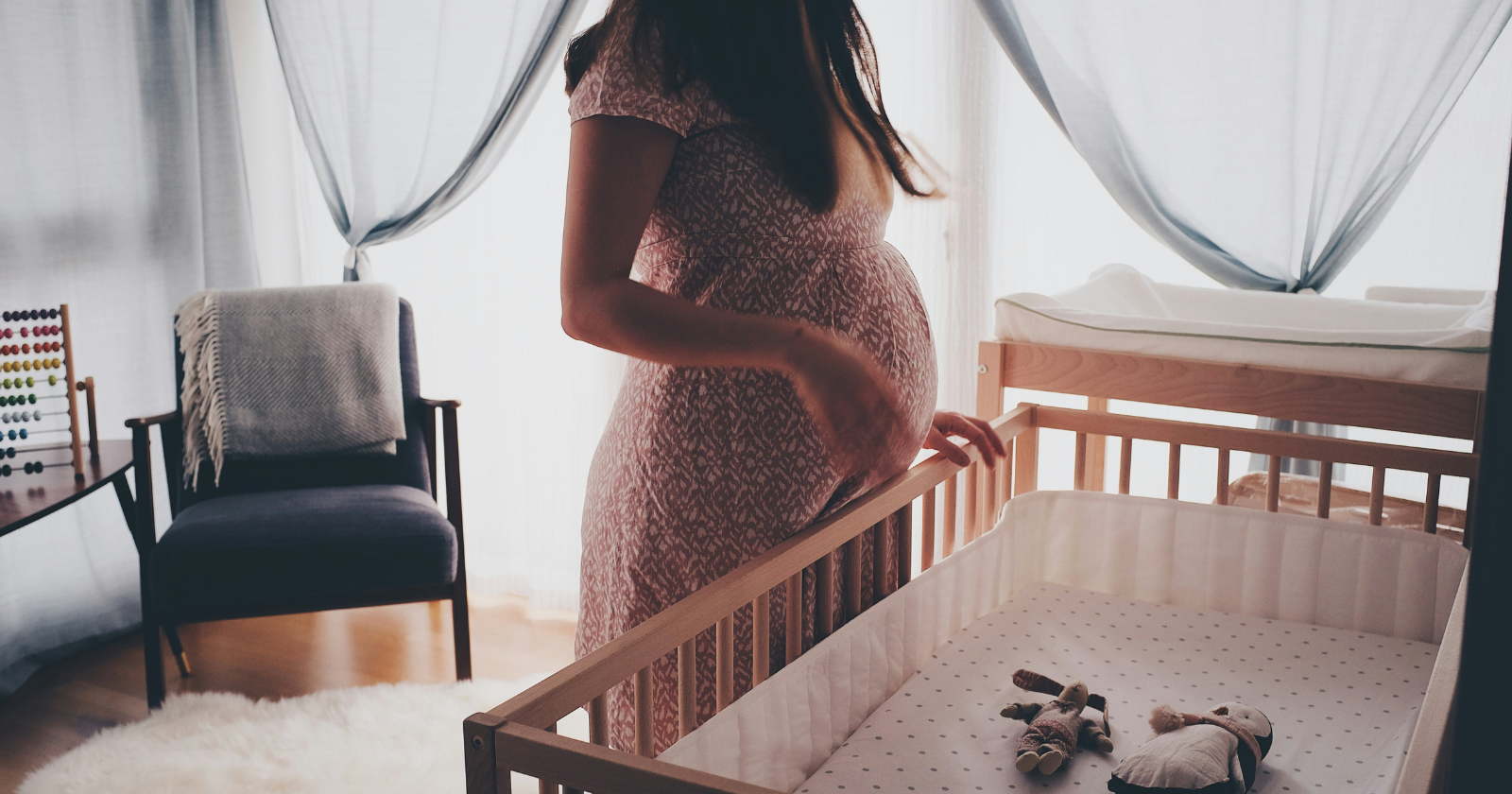

Nobody warned me that by 31 weeks I would be wincing every time I stood up from my desk. A sharp, burning nerve pain down one side of my body that showed up overnight and decided to stay. And then, a few weeks earlier, a gestational diabetes diagnosis that quietly rewrote everything I thought this pregnancy would look like. No more easy snacks. Blood sugar checks. A new layer of mental load on top of everything else.
I am grateful. I want to say that first, because I know how loaded this topic is, and because I genuinely mean it. We planned for this baby. We wanted her. In a few months she will be here and I will not remember the exact texture of this discomfort.
But right now, in this body, at 31 weeks, I want to talk honestly about the version of pregnancy that does not make it into the lifestyle posts. The one where you are not glowing. You are just getting through it. And you are doing it while working full time, chasing a toddler, managing a household, and trying not to spiral every time you catch your reflection.
The glow is not a given
There is a certain story we tell about pregnancy. Radiant skin, thick hair, a beautiful bump, this sense of being fully alive in your body. And some women do experience that. I am not dismissing it.
But a lot of us are sitting in a different version. Swollen feet. Ribs that ache. Clothes that stopped fitting weeks ago. A body that feels like it belongs to someone else. And underneath the gratitude, a quiet voice that says: I just want my body back.
That voice is not ungrateful. It is human.
Sciatica hit me like a wall
I have always been active. Spinning three times a week, moving my body, staying strong through this pregnancy even when motivation got harder. Then sciatica arrived and suddenly the simple act of sitting down at my home office chair became something I had to brace for.
There is something particularly demoralizing about pain that follows you everywhere. It is not dramatic, it does not land you in the hospital. It is just relentless background noise that wears you down slowly. You adapt. You shift your weight, you find the one position that is slightly less awful, you keep going. But it takes something from you.
Managing it takes two to three hours several times a week — time that now has to be carved out of sleep, rest, or playtime with my toddler. For someone who did not expect to be managing a chronic pain condition in their early thirties, the adjustment has been real.
Gestational diabetes added a whole new mental load
The diagnosis came earlier in the pregnancy. And while mine is manageable with a heavily modified diet (I know some women who are not as lucky), the word manageable is doing a lot of heavy lifting in that sentence.
Managing it means tracking everything. It means that food, which was already complicated by pregnancy cravings and aversions, became something to calculate. A piece of fruit. A bowl of rice. A celebration meal. All of it runs through a new filter now. My doctor gave me a piece of paper that is now supervising everything I eat, and I have to prick my finger several times a day and note down my blood sugar level.
What I did not expect was how much mental energy it would cost. Not the physical side of it, but the constant vigilance. On top of work, on top of caring for my daughter, on top of running a household. It is just one more thing to hold.
Weight gain in pregnancy is its own grief
I know this is not something women are supposed to say out loud. But I will say it because I think many of us feel it and say nothing.
Watching your body change rapidly, in ways you cannot control, is humbling. I keep doing the things I am supposed to do. Following my doctor’s advice, I kept showing up to cardio classes even when my belly made it harder, even when I was convinced I would never see any return on it. I eat well. I rest when I can. And still, the number on the scale does what it wants.
I know it is temporary. I know it is purposeful. The body is doing something remarkable. And I can hold all of that as true while also admitting that some days it is hard to feel at home in this version of myself.
There is no contradiction in that. You can be grateful and also feel the loss of something. You can love what your body is doing and still find it difficult to watch.
People around you mean well, but the comments land differently now
“You look amazing!” said with total sincerity by someone who does not know what it cost you to get dressed that morning. “Almost there!” from someone who does not know that almost there, when you are in daily pain, can feel impossibly far away.
I do not think people are unkind. I think pregnancy is one of those things that people feel entitled to comment on, and most of them are genuinely trying to be encouraging. But there is something lonely about being the only one who knows the full picture. The sciatica that woke you up at 3am. The glucose reading that made your stomach drop. The moment in front of the mirror you do not tell anyone about.
Getting through it is also an achievement
Something I have come to believe: endurance is underrated.
We talk a lot about thriving, about being present, about embracing every phase. And yes, ideally. But sometimes you are just getting through something hard, and that is enough. That counts.
I grew up believing that you push through, that you keep going, that you do not make a fuss. That value has served me well most of my life. But I have also learned to sit with difficult things without rushing to resolve them emotionally. Sometimes the hard thing is just hard. You do not have to reframe it into a lesson every week.
What actually helps (at least for me)
I will not pretend I have cracked the code on this. But a few things have genuinely made the days lighter.
Keeping my routines. Not because they fix anything, but because they give me a sense of agency. I cannot control my sciatica, but I can control whether I show up for my morning walk with my daughter, whether the kitchen is clean before bed, whether I get outside once a day. Small decisions that say: I am still here, I am still functioning.
Being honest with my husband. Not performing okayness. He cannot fix the pain, but there is something about naming the hard day out loud, even briefly, that makes it more bearable. We have a weekly dinner out, just the two of us, and that hour or two of being a person and not just a body in pain has been worth more than I expected.
Letting the bar be lower. Some weeks the floors are a mess and the cooking is simple and the spinning did not happen. That used to bother me. Right now, surviving the week with my health and sanity intact is the win.
Final thoughts
If you are reading this at 28 weeks, or 33, or somewhere in the middle of a pregnancy that feels nothing like what you hoped for, I want you to know that your experience is real and valid. Gratitude and difficulty are not opposites. You can hold both.
You do not have to perform joy at every stage. You do not have to pretend the hard parts are not hard. And you do not have to wait until it is over to give yourself credit for what you are carrying right now, literally and otherwise.
Some pregnancies glow. Some pregnancies grit. Both produce the same miracle at the end. And the women doing the gritting deserve to see themselves in this conversation too.