
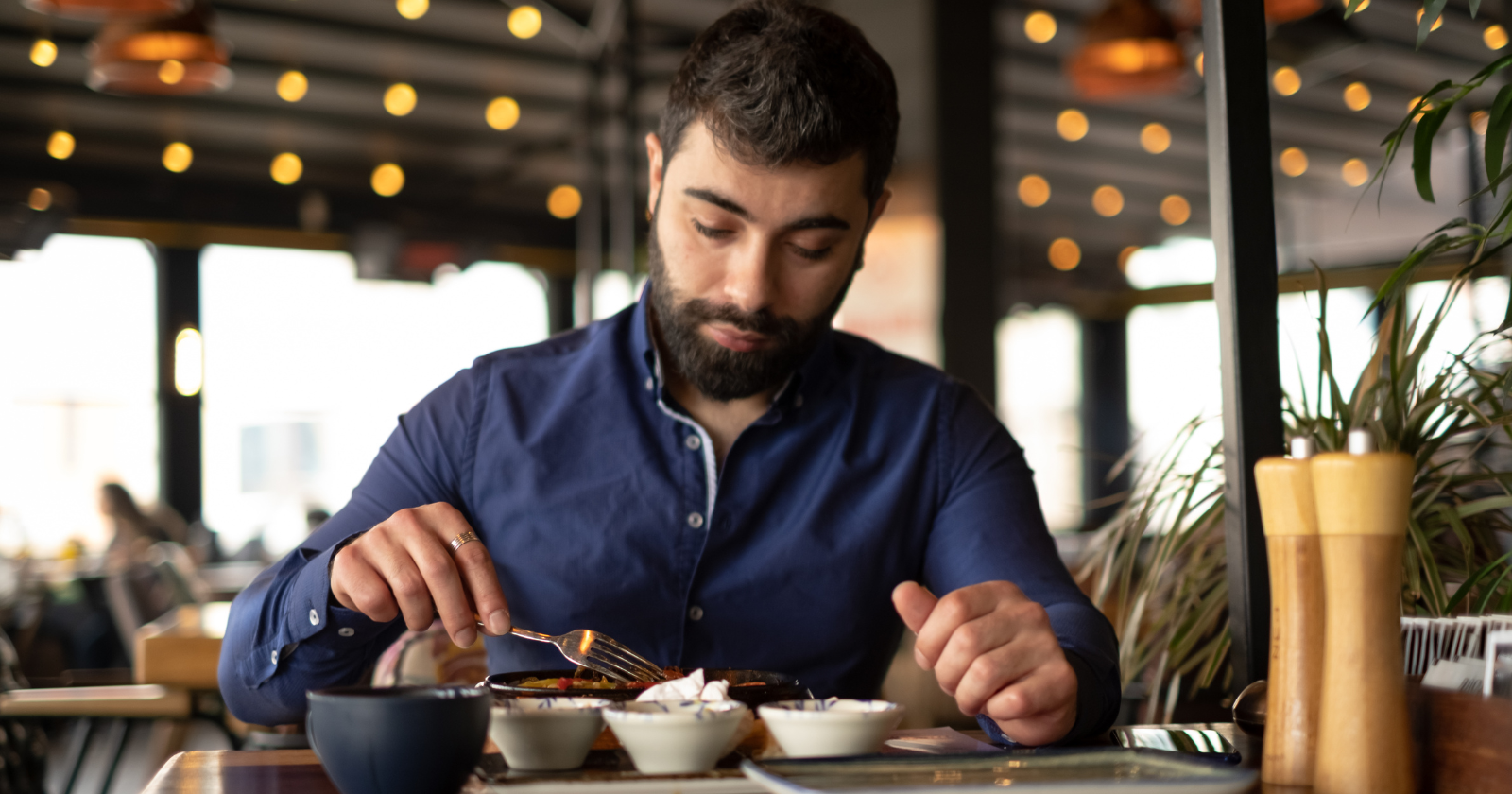
Picture this: You walk into a restaurant on a Friday evening. The warm lighting catches the gleam of wine glasses, conversation buzzes around you, and there, at a corner table, sits someone dining alone. They’re savoring their meal, completely at ease, maybe even reading a book or simply watching the world go by.
Your first thought? Maybe it’s pity. Maybe you wonder if they got stood up, or if they’re lonely. But here’s what psychology tells us: that solo diner likely possesses strengths that many of us are still trying to develop.
I used to be one of those people who’d never dream of eating alone in public. The thought terrified me. What would people think? Wouldn’t I look like a loser? Then, somewhere in my mid-twenties, when I was feeling lost despite doing everything “right,” I discovered something transformative about solitude.
These days, some of my best moments happen over a strong black coffee in a Vietnamese café, just me and my thoughts. And research backs up what I’ve learned firsthand: people who are comfortable being alone tend to have psychological advantages that set them apart.
Let’s dive into the seven strengths that solo diners often possess.
1. They have rock-solid self-confidence
Think about what it takes to walk into a restaurant alone, especially on a busy night when everyone else seems coupled up or in groups. It requires a level of self-assurance that doesn’t need external validation.
People who eat alone regularly have learned to be their own best company. They’re not waiting for someone else to make plans happen. They want to try that new Thai place? They go. They’re craving Italian on a Tuesday night? They book a table for one.
This confidence extends far beyond restaurant choices. Psychology research shows that people comfortable with solitude tend to have higher self-esteem and are less likely to be swayed by peer pressure. They’ve learned that their worth isn’t determined by who’s sitting across from them.
2. They possess exceptional emotional intelligence
Here’s something I discovered while writing my book Hidden Secrets of Buddhism: How To Live With Maximum Impact and Minimum Ego: the ability to sit with yourself requires emotional maturity.
Solo diners have typically done the inner work. They’re comfortable with their thoughts, even the uncomfortable ones. While others might need constant distraction or validation, they can process their emotions independently.
Studies in psychology confirm that people who seek out solitude tend to have better emotional regulation skills. They’re not running from their feelings; they’re sitting with them, understanding them, and learning from them.
Related Stories from The Artful Parent
- Most people assume the grandmother who keeps calling even when nobody picks up is lonely — they don’t realize she’s doing the only thing she knows how to do with love that no longer has anywhere to land
- The hardest lesson of parenthood doesn’t arrive when your children are small, it arrives when they’re grown and you hear yourself described through their memories — because the parent you thought you were and the parent they experienced are almost never the same person, and sitting with that gap is the real work of later life
- Cognitive scientists say the single best predictor of a child’s long-term creativity isn’t talent or encouragement — it’s whether they regularly watched an adult struggle with something difficult and keep going anyway
This emotional intelligence makes them better partners, friends, and colleagues. They bring a level of self-awareness to relationships that’s increasingly rare in our hyper-connected world.
3. They’re genuinely independent thinkers
Ever notice how group dining often leads to everyone ordering similar things? “Oh, if you’re getting the steak, maybe I will too.” Solo diners don’t have this problem. They order what they actually want.
But this independence goes way deeper than menu choices. People comfortable dining alone have typically learned to trust their own judgment. They don’t need a committee to make decisions. They’ve developed their own taste, literally and figuratively.
Research in social psychology shows that people who regularly spend time alone are less susceptible to groupthink and more likely to maintain their values even when they go against the grain. In a world of endless influence and comparison, that’s a superpower.
4. They savor experiences more deeply
When you’re dining alone, something magical happens: you actually taste your food. You notice the way the light hits your wine glass. You catch snippets of interesting conversations around you.
Without the distraction of conversation, solo diners often report more mindful, memorable meals. They’re practicing what psychologists call “savoring” – the ability to enhance and extend positive experiences through attention.
- What veteran bloggers who stay happy and passionate years into their career have learned to let go of - The Blog Herald
- A 2005 warning that the blogging world ignored — and is still paying for - The Blog Herald
- The rise and quiet exit of MSN Spaces: what bloggers should still learn from it - The Blog Herald
I learned this during my early morning writing sessions. When you remove social distractions, you gain depth. Colors seem brighter. Flavors more complex. The present moment becomes richer.
This ability to savor extends to all areas of life. Solo diners often report greater life satisfaction because they’ve learned to fully experience their moments rather than just rushing through them.
5. They have stronger boundaries and self-respect
Choosing to dine alone is essentially saying, “My company is enough.” That’s a powerful statement of self-respect.
These individuals have typically learned to set healthy boundaries. They don’t sacrifice their wants and needs just to avoid being alone. If friends cancel plans, they still go out. If they’re traveling for work, they explore new restaurants instead of ordering room service.
Psychology research on boundaries shows that people who maintain them report lower stress levels and higher life satisfaction. Solo diners embody this principle. They’ve learned that respecting their own desires and time is just as important as accommodating others.
6. They’re more creative and innovative
Some of history’s greatest innovations came from solitude. And there’s science behind this.
When we’re alone, our brains enter what’s called the “default mode network.” This is when we’re most creative, when we make unexpected connections and have our best insights. Solo dining provides perfect conditions for this mental state.
In my book Hidden Secrets of Buddhism: How To Live With Maximum Impact and Minimum Ego, I explore how Buddhist monks have known this for centuries. Solitude isn’t empty; it’s where ideas flourish.
People who regularly dine alone often report having their best ideas over solo meals. Without social obligations, their minds are free to wander, explore, and create.
7. They have mastered the art of self-care
Taking yourself out to dinner is one of the purest forms of self-care. You’re literally nourishing yourself, both physically and emotionally.
Solo diners understand something crucial: you can’t pour from an empty cup. They prioritize their own wellbeing without guilt. They know that taking time for themselves makes them better in all their roles.
This isn’t selfish; it’s essential. Psychological studies consistently show that people who practice regular self-care have better mental health, stronger relationships, and greater resilience to stress.
Final words
Next time you see someone dining alone, resist the urge to feel sorry for them. They’re not missing out on anything. In fact, they might be experiencing something you’re missing: the profound pleasure of their own company.
The ability to be alone without being lonely is becoming increasingly rare in our hyper-connected world. Yet it’s one of the most important skills we can develop. It builds resilience, creativity, and self-knowledge.
Maybe it’s time to book yourself a table for one. Start small if you need to. A coffee at a café. Lunch at a casual spot. Work your way up to that fancy dinner reservation.
You might just discover what solo diners already know: sometimes the best company you can have is yourself.