
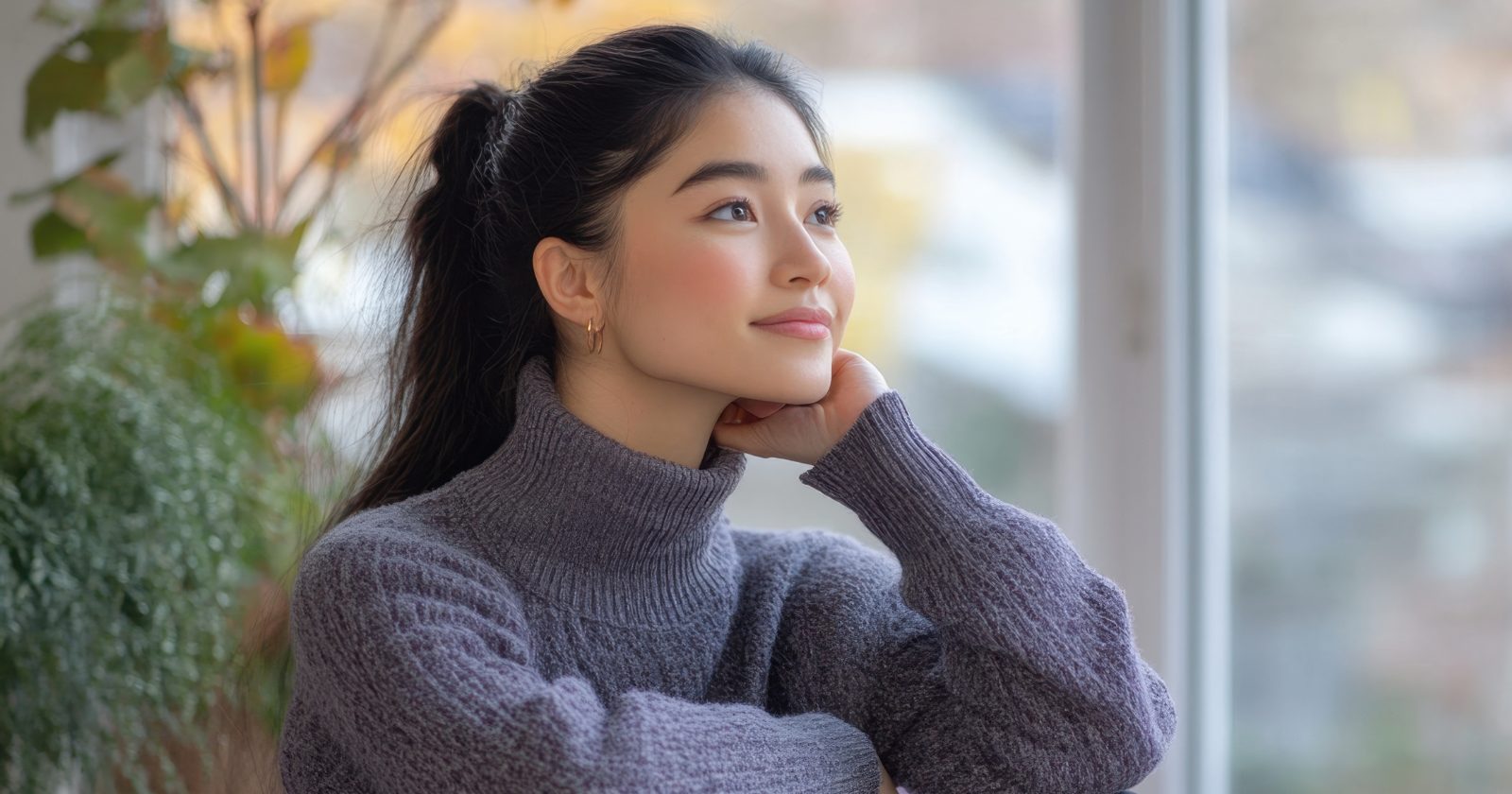
Last week, while Milo napped and my daughter quietly worked on a puzzle, I found myself sitting in complete silence for the first time in days. Not scrolling, not planning dinner, not mentally running through tomorrow’s schedule. Just sitting. And in that moment, I realized something profound about the difference between choosing to be alone and feeling lonely.
Dr. John Cacioppo, Professor of Psychology at the University of Chicago, explains it perfectly: “Solitude is a state of being alone without being lonely, while loneliness is a state of mind that can occur even when surrounded by others.”
That distinction hit me like a thunderbolt. How many times have I felt lonely at a crowded playdate, surrounded by other parents but feeling utterly disconnected? And how many times have I felt completely content during my 6 AM coffee ritual, just me and the quiet morning?
The art of choosing your alone time
Have you ever noticed how different it feels when you choose to be alone versus when alone time is forced on you? That’s because solitude and loneliness aren’t actually about whether other people are around. They’re about intention and connection—with yourself.
Monica Vilhauer, Ph.D., puts it this way: “Solitude is a choice — for prayer, hobbies, solo sport, or creative work.”
When I wake before my kids for that quiet coffee, I’m choosing solitude. I’m not escaping or hiding. I’m intentionally creating space to connect with myself, set intentions, and simply be. It’s restorative in a way that constant activity never could be.
I’ve noticed that parents who thrive seem to have figured this out. They’re not the ones desperately filling every moment with activities or constantly seeking validation through social interaction. They’ve learned to distinguish between being alone and being lonely at a level most people never reach.
Why we confuse solitude with loneliness
Our culture has done us a massive disservice by treating all alone time as something to fix or fill. Got a free Saturday? Better make plans! Kids finally asleep? Quick, turn on Netflix! But what if we’re missing something essential in our rush to stay busy?
Nguyen, Associate Professor of Psychology at Durham University, clarifies: “Loneliness pertains to the distress felt at one’s social needs not being met and solitude is a state of simply being by oneself.”
Think about that for a moment. Loneliness is about unmet social needs, not about being alone. You can feel desperately lonely at a party or deeply fulfilled during a solo walk in nature. The difference isn’t in the circumstances—it’s in your relationship with yourself.
What happens when we never sit still
Here’s something that might surprise you: constantly avoiding alone time can actually make us more prone to loneliness. When we never practice being with ourselves, we lose touch with who we are at our core.
A psychologist describes it this way: “Aloneness is a state of disconnection from the self, from one’s core identity.”
If we’re always distracted, always busy, always surrounded by noise, when do we process our experiences? When do we check in with ourselves? When do we develop that deep self-knowledge that actually makes us better partners, parents, and friends?
During those afternoon quiet times while my toddler naps, I’ve discovered parts of myself I’d forgotten existed. Creative impulses that got buried under the daily demands of parenting. Questions I needed to ask myself but kept avoiding. Dreams that needed space to breathe.
The surprising benefits of embracing solitude
Diana Raab, Ph.D., shares: “Solitude can be restorative and healing.”
But it goes beyond just restoration. When you learn to enjoy your own company, something shifts. You stop needing constant external validation. You become less reactive to other people’s moods. You develop what I call an internal anchor—a steady sense of self that doesn’t get tossed around by every social interaction.
Psychology Today notes: “Solitude can inspire rewarding creativity in both thinking and action.”
I’ve seen this in my own life. My best parenting insights don’t come during chaotic moments or even during conversations with other parents. They come during those quiet morning coffees or afternoon nature walks when my mind has space to wander and connect dots I couldn’t see before.
Learning to tell the difference
So how do you know if you’re experiencing healthy solitude or harmful loneliness?
Magavi, a psychiatrist, explains: “Healthy solitude allows us to process and conceptualize our life experiences, whereas chronic loneliness encompasses perseveration upon the voids we experience in life.”
When I’m in solitude, I feel peaceful, creative, restored. Time seems to slow down in the best way. When I’m lonely, I feel restless, empty, disconnected—even if I’m surrounded by people.
The key difference? Choice and self-connection. Solitude is choosing to spend time with yourself because you value that relationship. Loneliness is feeling cut off from meaningful connection, whether with others or yourself.
Making friends with yourself
Monica Vilhauer, Ph.D., describes it beautifully: “Solitude is a positive state: the time and space to enjoy being with oneself.”
But here’s the thing—you can’t enjoy being with someone you don’t know or like. And if you’ve never spent quality time alone, you might be a stranger to yourself.
Start small. Five minutes of morning quiet before the day begins. A solo walk around the block. Sitting with a journal instead of immediately reaching for your phone. Notice what comes up. Notice the discomfort if it’s there. Notice the relief when it arrives.
Sometimes I feel isolated in my natural parenting choices, surrounded by families who do things differently. But my solitude practice has taught me something crucial: being comfortable alone makes you less desperate for approval. When you genuinely enjoy your own company, you can show up more authentically in relationships because you’re not constantly seeking validation.
Final thoughts
The research is clear about the dangers of loneliness. But what we often miss is that the antidote isn’t necessarily more social interaction—it’s developing a better relationship with ourselves through intentional solitude.
Nina Vasan, M.D., psychiatrist and professor at Stanford, reminds us: “Loneliness is a feeling, while being alone is a situation or state of being, which is not inherently negative.”
Those of us who thrive in solitude haven’t become antisocial or disconnected. We’ve simply learned to distinguish between being alone and being lonely with a precision that only comes from practice. We’ve sat still long enough to feel the difference.
And once you feel that difference—once you experience the restoration of chosen solitude versus the ache of loneliness—you can never unsee it. You realize that learning to be alone isn’t about withdrawing from the world. It’s about showing up to it more fully, grounded in who you really are.
