

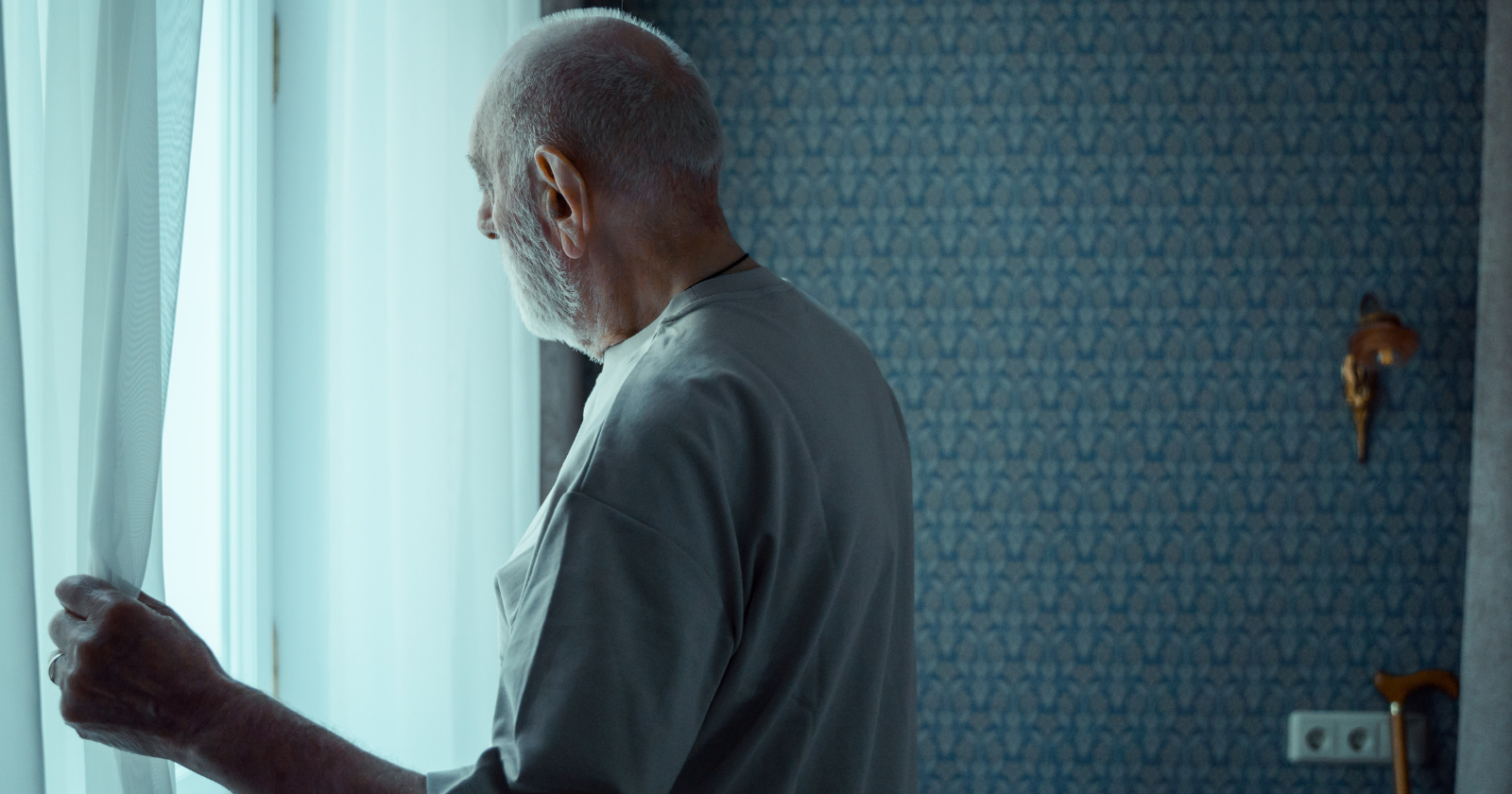
Last week, while sorting through old photo albums with the kids, I stumbled across a picture from 1985—my parents at their company Christmas party, surrounded by coworkers, both of them looking so vibrant and essential. Today, those same parents spend most evenings alone, watching TV in separate rooms, wondering where everyone went.
This isn’t unique to my family. Walk through any suburban neighborhood on a weekday afternoon, and you’ll see it: houses full of people who once managed departments, raised families, and kept entire communities running, now sitting in silence. The loneliness that so many boomers face isn’t because they failed at something. It’s because our culture built them up around two primary roles—worker and caregiver—then left them stranded when those roles ended.
The productivity trap that shaped a generation
My father defined himself through his work for forty years. Six days a week, twelve-hour days, climbing the ladder at a manufacturing company where your worth was measured in output and overtime. He missed school plays and soccer games, but that was the trade-off for being a “good provider.” The culture told him this was noble, necessary even.
When he retired at 68, he lasted exactly three weeks before falling into what my mother called “his funk.” Without meetings to attend or problems to solve, he didn’t know who he was anymore. The identity he’d spent decades building vanished with his key card access.
This wasn’t his personal failing—it was the predictable outcome of a system that taught an entire generation that their value came from what they produced. Once that production stopped, so did their sense of purpose. Nobody prepared him for the question: Who are you when you’re not working?
When caregiving becomes your only identity
While my father lost himself in work, my mother disappeared into caregiving. She was the homemaker who made everything from scratch, managed every doctor’s appointment, remembered every birthday. Her days revolved around making sure everyone else was okay, even when her own anxiety went untreated because “that’s what mothers do.”
After we kids moved out, she tried to transfer that caregiving energy to my father, but he didn’t need—or want—that level of attention. She’d call me several times a day, desperate to help with something, anything. When I gently suggested she might enjoy joining a book club or taking that painting class she’d always talked about, she looked at me like I’d suggested she fly to Mars.
“What would I even talk about?” she asked. “I don’t know anything except taking care of people.”
Four decades of defining herself solely through others left her unable to imagine an identity that was just hers. The saddest part? Society celebrated this self-erasure as the ultimate maternal sacrifice.
The myth of automatic community
There’s this assumption that community just happens—that if you show up to the same workplace for thirty years or raise kids in the same neighborhood for two decades, you’ll naturally build lasting connections. But workplace friendships often revolve around shared complaints about bosses or project deadlines. Neighborhood connections center on whose turn it is to drive to practice or whether the HOA should allow garden sheds.
When the job ends and the kids leave, these functional relationships evaporate. You realize you spent decades surrounded by people but never really knew them beyond their roles. My parents can tell you about their former coworker’s sales numbers but not about their dreams. They know which neighbor’s kid went to which college but not what brings those neighbors joy now.
Related Stories from The Artful Parent
- I’m 35 and I love my parents but I also resent them — and I spent years believing those two things couldn’t both be true before I understood that love and resentment are not opposites, they are the specific combination that forms when you were raised by people who did their best and whose best had limits and whose limits became your wounds
- Psychology says when adult children avoid their parents, it’s rarely about one dramatic event — it’s about a thousand small moments where the child learned that being authentic around the parent felt more dangerous than being distant
- I finally understand why my father always backed the car into the driveway — it wasn’t about convenience, it was a man who spent his whole life making sure everyone else could leave first
Real community requires vulnerability, shared interests beyond obligations, and the time to develop relationships that exist for their own sake. But when you’ve spent forty years believing that every minute should be “productive,” sitting with a friend just to connect feels like wasting time.
Why “just get a hobby” doesn’t work
Every article about retirement suggests the same thing: Get a hobby! Join a club! Volunteer! As if loneliness is just a scheduling problem that can be solved with pottery classes and pickle ball leagues.
But here’s what those suggestions miss: when you’ve internalized decades of messaging that leisure is lazy and that your worth comes from being needed, picking up a paintbrush feels selfish. When you’ve never developed interests outside of work and family, you don’t even know what you enjoy. When you’ve been taught that vulnerability is weakness, joining a support group feels like admitting failure.
My mother tried joining a gardening club once. She lasted two meetings before deciding she “wasn’t a club person.” Later she admitted she felt like an impostor—everyone else seemed to know who they were outside their roles, while she was still introducing herself as “a retired homemaker” like that explained everything.
The cultural shift nobody talks about
We’re living through a massive cultural transition that nobody’s really addressing. The generation that built their entire identities around traditional roles is aging into a world that no longer organizes itself that way. Extended families are scattered. Workplace loyalty is extinct. The church attendance that once provided automatic community has plummeted.
Meanwhile, younger generations are already building identities around personal interests, values, and chosen communities rather than just roles. I see it in my own life—despite the isolation I sometimes feel in my alternative parenting choices, I’ve found my people through online communities, local food co-ops, and parents who share similar values. We connect over shared philosophies, not just shared obligations.
But telling my parents to “just find their tribe” feels cruel when they were never taught that was even an option. They did exactly what their culture asked of them. The loneliness they feel now isn’t because they failed—it’s because the culture failed them.
Moving forward with compassion
Watching my parents struggle with loneliness while raising young kids has taught me something crucial: we need to build our identities broader than our roles from the start. Yes, I’m a mother, and that’s central to who I am. But I’m also a person who values natural living, who finds peace in gardening, who questions conventional approaches to health and education.
When Ellie asks me what I want to be when I grow up, I tell her I already am growing up—every day, into a fuller version of myself that includes but isn’t limited to being her mom. I want her and Milo to see that identity isn’t fixed, that community can be chosen, that worth isn’t tied to productivity.
For the boomers facing loneliness now, healing starts with recognizing that this isn’t their personal failure. They followed the script they were given. The emptiness they feel is not a character flaw but a reflection of a culture that used them up and offered no vision for what came next.
Maybe we can’t undo decades of cultural programming overnight. But we can stop perpetuating the myth that people are only valuable when they’re producing or caregiving. We can create spaces where being is enough, where community exists for connection rather than function, where retirement is seen as an expansion rather than an ending.
The loneliness is real, and it’s painful. But understanding its true source—not personal failure but cultural abandonment—might just be the first step toward healing.
