
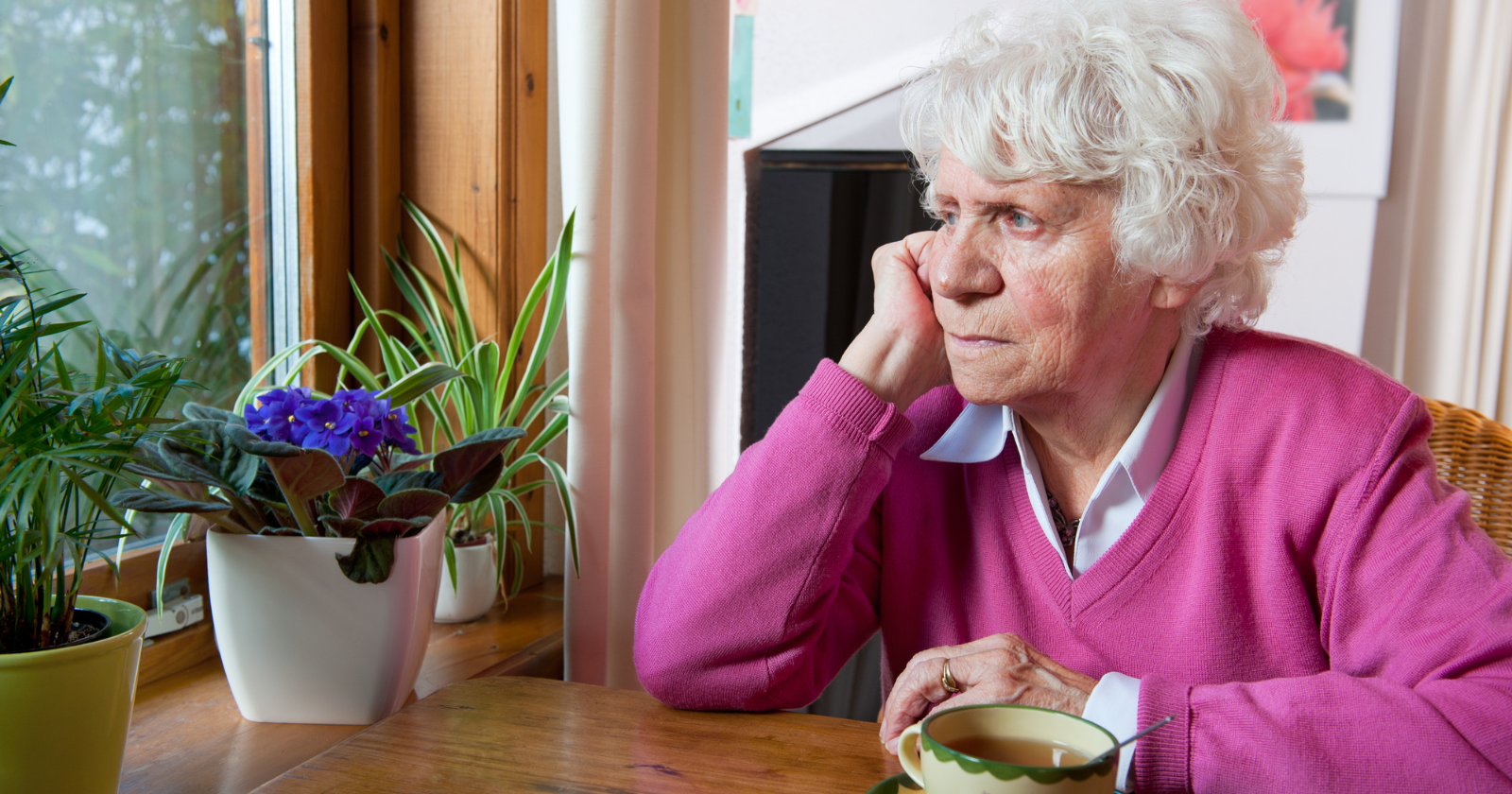
Last week at the farmers’ market, I watched an older couple politely but firmly decline when a vendor tried to pressure them into buying extra produce they didn’t need. The vendor seemed frustrated, but the couple just smiled, thanked him, and moved on.
It struck me how comfortable they seemed with their decision—no guilt, no over-explaining, just a simple “no thank you” and they were done.
It got me thinking about how we perceive older adults as stubborn or inflexible when really, they might just be incredibly wise about protecting their energy and peace. After years of people-pleasing and saying yes when I meant no, I’m starting to understand what took them decades to learn.
The wisdom that comes with age isn’t rigidity
You know that feeling when someone calls you at 9 PM asking for help with something that could definitely wait until tomorrow? In my twenties, I’d have jumped to help immediately, exhausted or not. Now? I let it go to voicemail and respond when I’m ready.
According to research on socioemotional selectivity theory, “As people grow older, they experience fewer negative emotions and they tend to look to the past in a positive light.” This isn’t about becoming grumpy or difficult—it’s about finally understanding what actually matters and what doesn’t deserve our immediate response.
My mother-in-law once told me she stopped going to every single social event after turning sixty. Not because she became antisocial, but because she realized forcing herself to attend things out of obligation was stealing joy from the activities she genuinely wanted to do. That’s not stubborn—that’s smart.
Boundaries aren’t walls, and older people know the difference
Have you ever noticed how kids will tell you exactly what they think without filter? “I don’t like broccoli.” “I’m tired.” “I want to go home.” Somewhere along the way, we learn to suppress these honest expressions for the sake of politeness. But then something interesting happens as we age—we start honoring our needs again, just with more grace this time.
Sharon Martin, DSW, LCSW, a licensed psychotherapist, explains that “Setting boundaries is an attempt to create a healthier dynamic where everyone can thrive.” When older adults refuse to babysit every weekend or decline to loan money they can’t afford to lose, they’re not building walls—they’re creating healthy boundaries that allow relationships to flourish without resentment.
I learned this lesson the hard way when I became a parent. For the first year of my daughter’s life, I said yes to every visitor, every piece of advice, every “helpful” suggestion about how I should be doing things differently.
I was exhausted, overwhelmed, and starting to resent the very people I loved. It wasn’t until I started saying things like “Thanks for the suggestion, but this works for our family” that I began to feel like myself again.
Why protecting your peace becomes non-negotiable
Remember when you thought you had endless energy?
Related Stories from The Artful Parent
- Psychology says the children most shaped by toxic parenting rarely come from homes that looked broken, they come from homes that looked completely fine, and they spend their adult lives trying to explain a wound that has no obvious source
- There’s a specific kind of exhaustion that comes not from doing too much but from spending decades performing a version of yourself that was designed to make other people comfortable, until one morning you can’t remember what your face does when nobody is watching
- Behavioral scientists found that adults who describe themselves as ‘not creative’ almost always trace it back to a single moment in childhood when someone evaluated what they made instead of asking what it meant
I used to teach full-time, volunteer for everything, and still have energy for late-night conversations about nothing in particular. These days, with two little ones and a writing career, I’ve learned that energy is finite and precious.
Older adults aren’t being difficult when they protect their routines or limit their commitments—they’re managing their mental health with the wisdom of experience.
The clarity that comes from knowing yourself
After decades of trying on different versions of ourselves, older adults have usually figured out who they actually are versus who others want them to be. They’ve stopped apologizing for their preferences and started owning them.
Research from activity theory shows that “The theory assumes a positive relationship between activity and life satisfaction.” But here’s the key—it’s about choosing activities that align with your values, not just staying busy to please others.
I see this with my own journey into natural living. Five years ago, I would have defended every choice apologetically, worried about judgment. Now? I cloth diaper because it works for us. We limit screens because we’ve seen the difference it makes. I don’t need to convince anyone else or feel bad when they choose differently.
Learning from experience, not stubbornness
Think about it—if you touched a hot stove once, would you do it again just to be accommodating? Of course not. Yet we expect older adults to keep repeating patterns that didn’t serve them just to avoid seeming inflexible.
A study examining 382 government employees found significant differences in mental boundary scores between Baby Boomers and Generation X, suggesting that older adults may have more defined personal boundaries in professional settings. This isn’t about being stuck—it’s about learning from decades of trial and error.
The freedom in disappointing people
One of the most liberating realizations of getting older might be this: disappointing someone else is often better than betraying yourself. Older adults have had enough experiences of sacrificing their needs for others’ comfort to know the cost isn’t worth it.
When I stopped trying to be the perfect daughter-in-law who agreed with every parenting suggestion, something magical happened. The relationship actually improved. There was less tension, more authenticity, and surprisingly, more respect.
Final thoughts
Watching my two-year-old assert his preferences so confidently—”No thank you, all done!”—reminds me that knowing and expressing our boundaries is actually our natural state. We spend years learning to suppress this for social harmony, then hopefully spend our later years reclaiming it with the wisdom to do it kindly but firmly.
The older adults in our lives aren’t being difficult when they stick to their routines, protect their energy, or decline invitations that don’t serve them. They’re showing us what it looks like to finally understand that you can be kind without being a doormat, helpful without being depleted, and loving without losing yourself.
Maybe instead of seeing them as set in their ways, we should see them as finally free—free from the exhausting work of managing everyone else’s feelings at the expense of their own peace. And honestly? I can’t wait to get there myself.