There’s a moment every parent knows well. Your child reaches for something just beyond their grasp, struggles for a second, and every instinct in your body screams to help them. To fix it. To make it easier.
I’ve been there more times than I can count, both as a father and now as a grandfather. And here’s what decades of watching children grow has taught me: the ones who become truly independent aren’t the ones whose parents cleared every obstacle. They’re the ones whose parents stepped back just enough to let them figure things out.
Independence doesn’t arrive on a child’s eighteenth birthday like some magical gift. It’s built slowly, freedom by freedom, starting much earlier than most of us realize. So what are these freedoms that shape capable, confident kids?
1) The freedom to fail without being rescued
This one’s hard. Really hard. Because watching your child struggle feels like a small betrayal of your job description as a parent.
But here’s what I’ve noticed over the years. Children who are allowed to experience small failures early on develop something precious: resilience. They learn that falling down isn’t the end of the world. They discover they can pick themselves up, dust off, and try again.
As noted by researchers at the American Psychological Association, resilience isn’t a trait people either have or don’t have. It involves behaviors, thoughts, and actions that can be learned and developed. And one of the best classrooms for this learning? Failure itself.
When my own kids were young, I had to physically sit on my hands sometimes to stop myself from jumping in. The forgotten homework. The friendship squabble. The project that didn’t turn out quite right. Each of these moments felt like tiny emergencies at the time. Looking back, they were actually tiny training sessions in becoming a capable human being.
2) The freedom to make age-appropriate choices
What do you want for breakfast? Which shirt would you like to wear? Should we go to the park or the library?
These questions might seem trivial to us adults. To a child, they’re practice runs for a lifetime of decision-making.
I’ve watched parents who control every detail of their child’s day, from meals to activities to friendships. The intention is good. They want the best outcomes. But the result is often a teenager or young adult who freezes when faced with choices because they’ve never had to make them.
Start small and build up. A three-year-old can choose between two snack options. A seven-year-old can decide how to spend their allowance. A twelve-year-old can have input on family plans for the weekend. Each choice, no matter how small, builds that decision-making muscle.
Related Stories from The Artful Parent
- 8 signs you’re raising an emotionally secure child even when it doesn’t feel like you know what you’re doing
- 9 things creative kids do that look like misbehavior but are actually signs their mind is working overtime
- The 8 messiest childhood activities are actually the ones building your child’s brain in ways screens never will
The beautiful thing about letting kids choose? Sometimes they’ll choose wrong. And that’s actually part of the gift. They learn that choices have consequences, and that they can survive making a less-than-perfect decision.
3) The freedom to experience boredom
If you’re a regular reader, you may remember I’ve touched on this before. But it bears repeating because our modern world makes this freedom increasingly rare.
We’ve become entertainment directors for our children. Every moment must be filled with activities, screens, scheduled playdates, enrichment programs. The second a child says “I’m bored,” we scramble to fix it.
But boredom is where creativity lives. It’s in those empty spaces that children discover what actually interests them. They invent games. They daydream. They learn to be comfortable in their own company.
Dr. Teresa Belton, a researcher at the University of East Anglia, has studied the connection between boredom and creativity. Her findings suggest that children need time to stand and stare, to have nothing to do. It’s in these moments that imagination flourishes.
Next time your child complains about having nothing to do, try this: resist the urge to solve it. A simple “I’m sure you’ll figure something out” can work wonders. The first few times might be rough. But eventually, they will figure it out. And what they create in that space will be entirely their own.
- I’m 37 and I’ve noticed that whenever there’s a crisis everyone turns to me like I have answers – and the hardest part isn’t solving the problem, it’s that nobody ever asks if I’m okay because they need me to be the steady one and I’ve forgotten how to be anything else - Global English Editing
- I’m 73 and I keep the television on from six in the morning until I fall asleep — not because I’m watching it, but because the sound of other people talking fills the exact shape of the silence my family left when they stopped needing this house, and some mornings a commercial says “good morning” before anyone real does - Global English Editing
- Do Branded Promotional Products Still Work? What Bloggers Should Know Before Investing - The Blog Herald
4) The freedom to take physical risks
Playgrounds have gotten safer over the years. That’s generally a good thing. But somewhere along the way, we may have tipped too far toward protection.
Children need to climb things that feel a little too high. They need to run fast enough that falling is a real possibility. They need to test the limits of their physical capabilities in environments where the stakes are relatively low.
This isn’t about being reckless. It’s about understanding that scraped knees and minor bumps are part of childhood. They teach body awareness, risk assessment, and physical confidence.
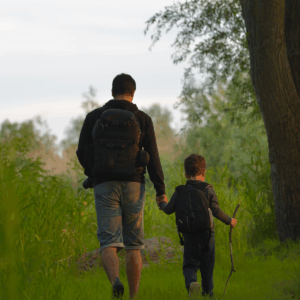
I think about my grandchildren at the park. My instinct is always to hover, to spot them on the climbing frame, to warn them about every potential hazard. But I’ve learned to take a breath and step back. They’re more capable than my worry gives them credit for. And each successful climb, each calculated risk that pays off, builds their confidence in ways my hovering never could.
5) The freedom to handle their own conflicts
Two kids arguing over a toy. A disagreement about the rules of a game. A friendship that’s hit a rough patch.
Our impulse as parents is to step in and referee. To determine who’s right, who’s wrong, and what the fair solution should be. But when we do this consistently, we rob children of crucial social learning.
Conflict resolution is a skill. Like any skill, it requires practice. Children who are always rescued from social difficulties don’t develop the tools to navigate relationships on their own.
This doesn’t mean abandoning them entirely. Young children especially need some guidance. But there’s a difference between coaching and controlling. You can ask questions that help them think through the situation. “How do you think your friend felt when that happened?” “What could you try next time?” These prompts build problem-solving skills without taking over.
The goal is to work yourself out of the mediator job gradually. By the time they’re teenagers, they should have a solid toolkit for handling interpersonal challenges without needing you to intervene.
6) The freedom to contribute meaningfully
Here’s something I wish I’d understood better when my kids were small: children want to feel useful. They want to contribute. And when we don’t let them, we send an unintended message that they’re not capable.
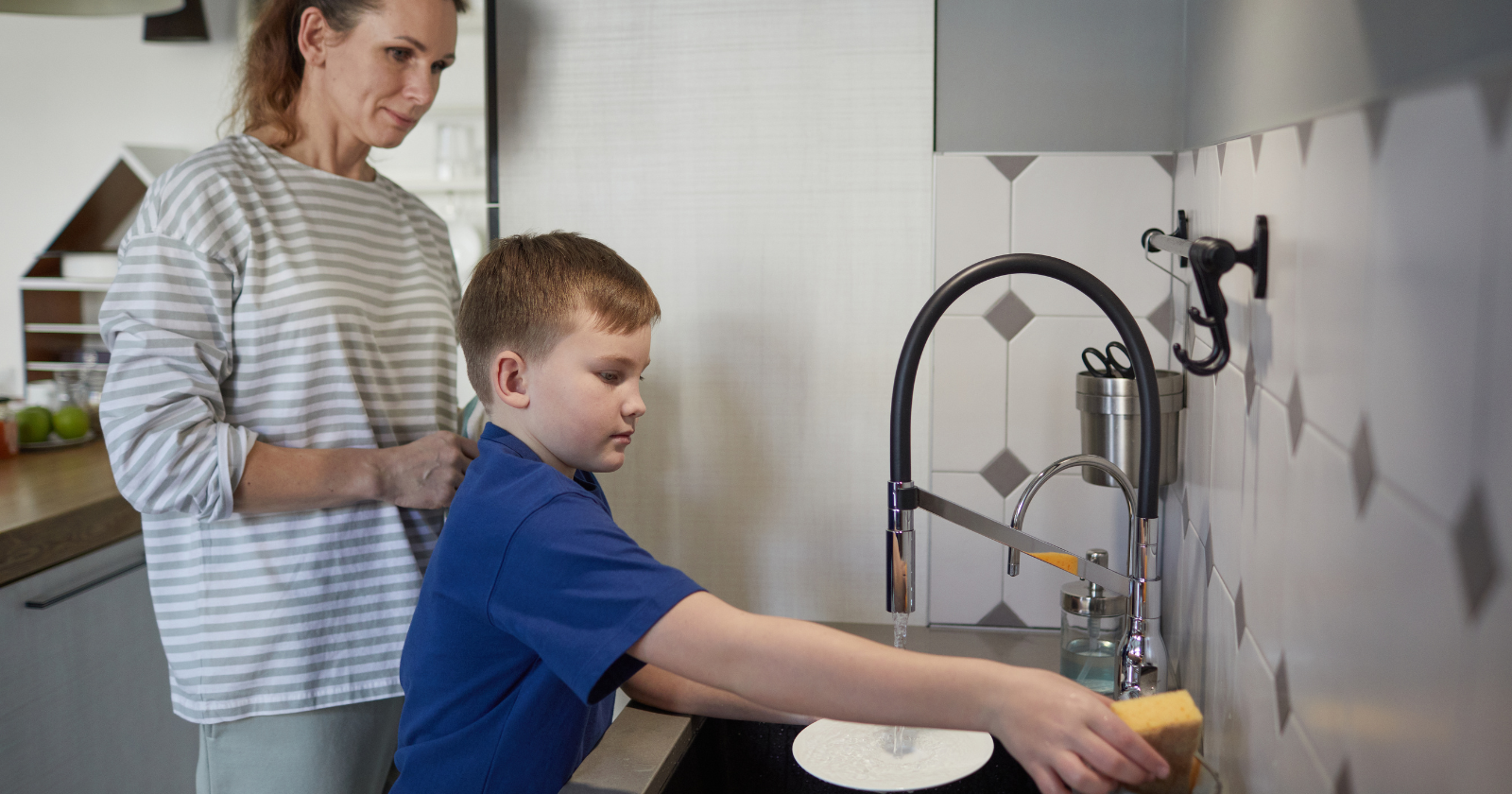
Chores aren’t just about getting the house clean. They’re about belonging to something larger than yourself and having responsibilities that matter. A child who sets the table, feeds the pet, or helps with laundry learns that the family functions partly because of their contribution.
Yes, it’s often faster and easier to do things yourself. A five-year-old folding towels will not produce results that would satisfy anyone’s standards. But the point isn’t perfect towels. The point is a child who knows they’re a capable, contributing member of the household.
As children grow, so should their responsibilities. What starts as simple tasks can evolve into cooking meals, managing their own laundry, or helping with yard work. Each responsibility is a vote of confidence in their abilities.
7) The freedom to have their own opinions
This one can be uncomfortable, especially when their opinions differ from ours.
But independent thinking is, well, independent. It means sometimes reaching conclusions we wouldn’t reach. It means questioning things we take for granted. It means developing a worldview that’s genuinely their own.
Psychologist Alfie Kohn has written extensively about the importance of raising children who think for themselves rather than simply comply. He argues that our goal shouldn’t be obedience but rather helping children become ethical, compassionate people who can reason through difficult questions.
This means creating space for discussion rather than dictation. It means asking “What do you think?” and genuinely listening to the answer. It means being willing to say “That’s an interesting point” even when you disagree.
Children who are allowed to have opinions, and to express them respectfully, grow into adults who can think critically and advocate for themselves.
8) The freedom to manage their own time
How much of your child’s day is scheduled by someone else? School, activities, homework, bedtime. There’s not always much room left for them to decide how to spend their hours.
But time management is a skill that doesn’t magically appear in adulthood. It needs practice, and that practice requires having some unstructured time to manage.
Start with small blocks. An hour on the weekend that’s entirely theirs to fill. As they get older, expand this. Let them figure out when to do homework, when to practice their instrument, when to relax. Will they sometimes make poor choices and face consequences? Absolutely. That’s the learning.
I’ve seen young adults arrive at college having never managed their own schedule. The results aren’t pretty. The ones who thrive are often those whose parents gradually handed over the reins during childhood and adolescence.
The courage to let go
None of this is easy. Every freedom we grant our children requires us to tolerate some discomfort. We have to watch them struggle. We have to accept outcomes that aren’t what we would have chosen. We have to trust the process even when it feels risky.
But here’s what I’ve learned after all these years: our job isn’t to raise children who need us forever. Our job is to raise adults who can thrive without us. And that work begins not when they leave home, but in all the small moments when we choose to step back instead of step in.
What freedom could you offer your child this week?