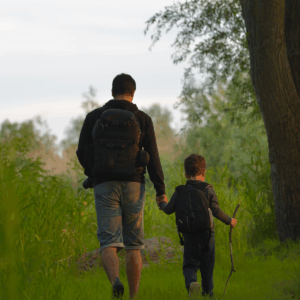

When my granddaughter was seven, she started complaining of stomach aches every Sunday evening. We thought it was something she ate. Maybe too many sweets at our weekend gatherings. It took us months to connect those stomach aches to her anxiety about the school week ahead.
That experience taught me something important. Anxiety in children rarely announces itself the way we expect. There are no dramatic declarations of worry or obvious panic attacks. Instead, it whispers through behaviors that look like something else entirely.
Defiance. Perfectionism. Clinginess. Physical complaints. As parents and grandparents, we often miss these signals because we are looking for the wrong thing. We expect anxiety to look like fear, when really it can look like anger, avoidance, or even a child who seems perfectly fine on the surface.
Here are eight behaviors that anxious children often display long before the adults in their lives realize what is really going on.
1) They become perfectionists who cannot handle mistakes
A child who erases their homework until the paper tears. A kid who refuses to try new activities because they might not be good at them immediately. A young one who melts down over a crooked line in their drawing.
We sometimes praise this as conscientiousness or high standards. But perfectionism in children is frequently anxiety wearing a disguise. These kids are not driven by a healthy desire to do well.
They are terrified of doing poorly. The thought of making a mistake feels catastrophic to them, so they either overwork themselves to prevent errors or avoid situations where failure is possible.
According to the American Psychological Association, perfectionism is increasingly recognized as a significant factor in childhood anxiety disorders. The pressure these children put on themselves can be exhausting, and it often goes unnoticed because adults see a hardworking, dedicated kid rather than a struggling one.
If your child seems unable to let go of small mistakes or avoids activities they used to enjoy because they are not “good enough,” it might be worth looking deeper.
2) They ask the same questions over and over again
“What time are you picking me up?” “Will you definitely be there?” “But what if you are late?”
Repetitive questioning can drive any parent a bit mad. It feels like the child is not listening or is being deliberately difficult.
Related Stories from The Artful Parent
- 8 signs you’re raising an emotionally secure child even when it doesn’t feel like you know what you’re doing
- 9 things creative kids do that look like misbehavior but are actually signs their mind is working overtime
- The 8 messiest childhood activities are actually the ones building your child’s brain in ways screens never will
But anxious children ask the same questions repeatedly because the reassurance only lasts a moment. Their worried brain immediately starts generating new “what ifs,” and they need to hear the answer again to feel safe.
This behavior is actually a form of reassurance-seeking, which is common in anxious kids. They are not trying to annoy you. They are trying to manage an internal storm of worry that keeps regenerating no matter how many times you answer.
The tricky part is that constantly providing reassurance can actually reinforce the anxiety cycle, making it stronger over time.
If you notice this pattern, it is worth exploring what is driving the questions rather than just answering them on repeat.
3) They have unexplained physical complaints
Stomach aches. Headaches. Feeling sick before school or social events. Racing heart. Dizziness.
Children often lack the vocabulary to express emotional distress, so their bodies do the talking instead. Anxiety is a full-body experience, and kids feel it physically before they can name it mentally.
The stomach aches are real. The headaches are genuine. But the root cause is psychological rather than physical.
As noted by researchers at the National Institute of Mental Health, physical symptoms are one of the most common presentations of anxiety in children. These kids are not faking it or seeking attention. Their nervous system is genuinely activated, creating real physical sensations.
If your child frequently complains of physical symptoms that have no medical explanation, especially before specific events or situations, anxiety might be the underlying cause.
4) They have explosive reactions to small problems
A sock that feels wrong. A change in plans. A sibling who looked at them the wrong way. Suddenly your child is screaming, crying, or completely shutting down.
These meltdowns seem wildly disproportionate to the trigger. And they are, if you only look at the trigger. But anxious children often spend their days managing a constant undercurrent of worry. By the time that sock feels uncomfortable, their emotional cup is already overflowing. The sock is just the final drop.
I have seen this with my own grandchildren. A child who seems fine all day suddenly falls apart over something tiny. What we do not see is the hours of internal tension that preceded that moment.
The worrying about the test. The social stress at lunch. The fear about an upcoming event. All of that builds up until something small breaks the dam.
When a child’s reactions seem out of proportion, it is often because we are only seeing the tip of the iceberg.
5) They avoid situations that used to be fine
A child who loved birthday parties now refuses to go. A kid who was excited about soccer suddenly does not want to play anymore. A young one who used to sleep over at friends’ houses now insists on coming home.
Avoidance is anxiety’s favorite strategy. If something feels scary or overwhelming, the easiest solution is to simply not do it. And in the short term, avoidance works. The child feels relief. But that relief reinforces the avoidance, making the anxiety stronger and the avoided situation even more frightening.
Parents often accommodate this avoidance without realizing it. We let them skip the party because they seem upset. We pull them from the team because they are clearly unhappy. These are loving responses, but they can inadvertently feed the anxiety monster.
If your child is increasingly avoiding situations they used to handle, it is worth gently exploring what is making those situations feel unsafe.
6) They struggle with sleep in specific ways
Difficulty falling asleep. Nightmares. Waking up in the middle of the night. Needing a parent present to drift off. Crawling into your bed at 3 AM.
Bedtime is when the distractions stop and the worries get loud. For anxious children, the quiet of night is when their brain really gets going. They replay the day. They worry about tomorrow. They imagine worst-case scenarios. Sleep becomes difficult because their mind will not settle.
If you are a regular reader, you may remember I have written about the importance of bedtime routines. For anxious children, those routines become even more critical. Predictability and calm transitions can help, but persistent sleep struggles often point to underlying anxiety that needs addressing.
Pay attention to when the sleep problems occur. Is it before school days? Before social events? The pattern can reveal what your child is worried about.
7) They become controlling or rigid about routines
The child who insists on the same breakfast every day. The one who melts down if you take a different route to school. The kid who needs to know exactly what is happening and when, with no surprises.
Anxious children often try to manage their internal chaos by controlling their external environment. If everything stays the same, nothing unexpected can happen. If they know the plan, they can prepare for it. Rigidity becomes a coping mechanism.
This can look like stubbornness or inflexibility. It can be frustrating for parents who just want to take a spontaneous trip to the ice cream shop. But underneath that rigidity is a child who feels safer when life is predictable. Change feels threatening because it introduces uncertainty, and uncertainty is where anxiety thrives.
Some structure is healthy for all children. But when the need for sameness becomes extreme or causes significant distress when disrupted, anxiety might be driving the behavior.
8) They become excessively worried about others
A child who constantly asks if you are okay. A kid who worries about a parent driving to work. A young one who becomes distressed when a family member is sick, even with a minor cold.
We might see this as empathy or sensitivity, and those qualities are certainly present. But anxious children often extend their worry beyond themselves to the people they love.
They imagine terrible things happening to family members. They feel responsible for others’ wellbeing. They struggle to relax when someone they care about is out of sight.
This is particularly common in children with separation anxiety, but it can appear in other anxiety presentations as well. The child’s worry radar is turned up so high that it picks up potential threats everywhere, including threats to the people they depend on.
If your child seems excessively preoccupied with your safety or health, or becomes very distressed when separated from you, this could be anxiety expressing itself through concern for others.
What to do if you recognize these signs
First, take a breath. Recognizing these behaviors is a good thing. It means you are paying attention, and attention is the first step toward helping your child.
Anxiety in children is highly treatable. The Child Mind Institute emphasizes that early intervention can make a significant difference in outcomes. Cognitive behavioral therapy, in particular, has strong evidence for helping anxious children develop coping skills that last a lifetime.
But not every anxious child needs therapy. Sometimes awareness alone shifts things. When we understand that a behavior is driven by anxiety rather than defiance or manipulation, we respond differently. We become curious instead of frustrated. We address the fear underneath rather than just the behavior on top.
Talk to your child. Not in a big, serious conversation that might increase their anxiety, but in small moments. Normalize worry. Share your own experiences with feeling nervous. Let them know that anxiety is common and manageable.
And if the behaviors are significantly impacting their daily life, school, friendships, or family dynamics, consider reaching out to a professional. There is no shame in getting support. In fact, it is one of the most loving things you can do.
Looking back, I wish I had understood my granddaughter’s Sunday stomach aches sooner. But we figured it out eventually, and she learned some tools that still help her today. That is the thing about anxiety. Once you see it clearly, you can start working with it instead of against it.
Have you noticed any of these behaviors in your own children? What helped you recognize what was really going on?