

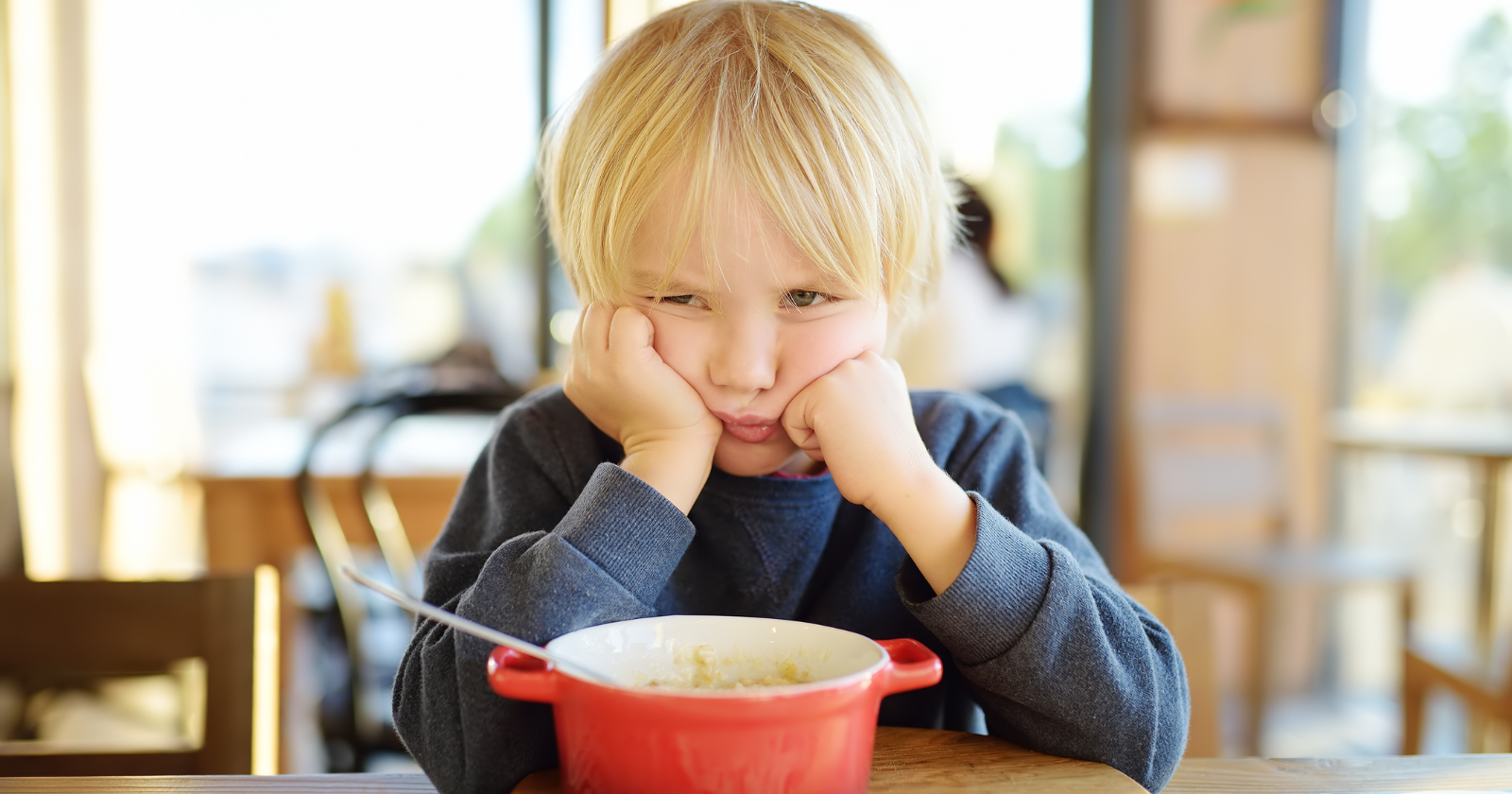
Here’s something that surprised me when I first heard it: most babies are born ready and willing to eat a wide variety of foods.
They come into the world with open palates, curious about flavors, textures, and the whole messy experience of eating. So what happens between those early spoonfuls of mashed avocado and the four-year-old who will only eat plain pasta?
The truth is, picky eating rarely appears out of nowhere. It develops over time, shaped by small moments we often don’t recognize as significant.
And I say this with zero judgment because I’ve been there, missing cues with my own kids that I only understood in hindsight. The good news? Once you know what to look for, you can gently shift course.
These eight cues are the ones parents most commonly miss, and recognizing them can make all the difference.
1) The “clean plate” pressure that backfires
It seems harmless enough. “Just three more bites and you can be done.”
We say it because we want our kids nourished, because we made the meal with love, because we worry they’ll wake up hungry at midnight. But research consistently shows that pressuring children to eat more than they want disrupts their natural hunger cues.
As noted by Ellyn Satter, a registered dietitian and family therapist whose work has shaped how experts think about childhood feeding, parents are responsible for what, when, and where food is offered, while children are responsible for whether and how much they eat. When we blur that line, kids start associating meals with stress rather than satisfaction.
I remember doing this with Ellie when she was around two. She’d push her plate away, clearly done, and I’d coax her into a few more bites of sweet potato.
What I didn’t realize was that I was teaching her to ignore her own body. Now I serve the food, sit with her, and trust her appetite. Some nights she eats everything. Some nights she doesn’t. Both are okay.
2) Offering alternatives too quickly
Your toddler takes one look at the salmon on their plate and declares, “I don’t like it.” They haven’t even tried it. Your instinct might be to jump up and grab something else, anything to avoid a meltdown and make sure they eat something before bed.
Related Stories from The Artful Parent
- 8 signs you’re raising an emotionally secure child even when it doesn’t feel like you know what you’re doing
- 9 things creative kids do that look like misbehavior but are actually signs their mind is working overtime
- The 8 messiest childhood activities are actually the ones building your child’s brain in ways screens never will
But here’s what happens when we do that consistently: children learn that rejecting food leads to getting exactly what they want. They never have to sit with discomfort or curiosity. The unfamiliar food becomes the enemy, and the replacement becomes the expectation.
A gentler approach is to keep the original meal on the table without pressure. You might say, “This is what we’re having tonight. You don’t have to eat it, but I’m not making something different.”
It sounds firm, but it’s actually freeing for everyone. Kids learn that meals aren’t negotiations, and parents get to stop being short-order cooks. It takes time, but the consistency pays off.
3) Hiding vegetables instead of normalizing them
I understand the appeal of sneaking spinach into smoothies or cauliflower into mac and cheese. When you’re desperate to get nutrients into a resistant child, it feels like a win.
And occasionally, it’s fine. But when hiding vegetables becomes the primary strategy, we miss an opportunity to help kids develop a real relationship with those foods.
If broccoli only ever appears disguised, children never learn to recognize it, accept it, or eventually enjoy it on its own terms. They don’t get the repeated, low-pressure exposure that research shows is necessary for food acceptance.
According to a study published in Appetite, children may need to be exposed to a new food 10 to 15 times before they accept it.
What works better is serving vegetables openly, without fanfare or pressure. Put a few roasted carrots on the plate alongside foods you know they like. Don’t comment on whether they eat them. Just let the carrots exist, meal after meal, until one day, they take a bite.
4) Reacting strongly to rejection
Kids are watching us all the time, reading our faces, our tone, our energy. When they push away a food and we sigh heavily, express disappointment, or launch into a lecture about nutrition, they notice. And that reaction can actually reinforce the rejection.
Food becomes emotionally charged. The child learns that refusing certain foods gets a big response, which can be interesting to a toddler testing boundaries. Or they internalize that something is wrong with them for not liking what they’re “supposed” to like.
The most effective response is often the most boring one. A simple “Okay, you don’t have to eat it” and then moving on. No drama, no negotiation, no visible frustration.
This neutral approach keeps mealtimes calm and removes the power struggle. It’s harder than it sounds, especially when you’ve spent time preparing something, but it makes a real difference over time.
5) Labeling your child as “picky”
Language matters more than we realize. When we say “Oh, she’s my picky eater” in front of our kids, or even when they’re in the next room, we’re handing them an identity. And children tend to live up to the labels we give them.
Once a child believes they’re picky, they start acting accordingly. They might reject foods they would have otherwise tried because that’s what picky eaters do. The label becomes a self-fulfilling prophecy.
Try shifting the language. Instead of “picky,” you might say “still learning” or “figuring out what she likes.” It’s a small change, but it leaves room for growth. It tells your child that their preferences aren’t fixed, that their palate is still developing, and that change is possible. Because it absolutely is.
6) Serving “kid food” as the default
Somewhere along the way, we collectively decided that children need their own separate cuisine: chicken nuggets, plain noodles, cheese quesadillas, maybe some apple slices on the side. And while there’s nothing wrong with any of those foods, making them the everyday default can limit a child’s palate before it has a chance to expand.
When kids eat different meals than the rest of the family, they miss out on exposure to the flavors, textures, and variety that adults enjoy. They also get the message that “grown-up food” isn’t for them.
What I’ve found helpful is serving everyone the same meal, with at least one component I know my kids will eat.
So if we’re having curry, there’s also rice and some cucumber on the side. They can fill up on the familiar stuff if they want, but the curry is right there too, being normalized. Over time, curiosity often wins.
7) Not eating together as a family
Life is busy. I get it. Some nights, it’s easier to feed the kids early and eat your own dinner after bedtime when you can actually taste it. But when children regularly eat separately from adults, they miss out on one of the most powerful tools for food acceptance: modeling.
Kids learn to eat by watching us eat. They see us enjoying a salad, trying something new, or simply sitting down and savoring a meal, and it registers. Family meals also create a relaxed social context around food, which reduces pressure and increases willingness to try new things.
Even if it’s just a few nights a week, sitting down together makes a difference. And it doesn’t have to be fancy. Some of our best family meals have been scrambled eggs and toast, everyone at the table, talking about our days.
8) Forgetting that texture matters as much as taste
We often focus on flavor when thinking about picky eating, but for many children, texture is the real barrier. A child might love the taste of strawberries but refuse them because of the seeds. They might gag on anything mushy or avoid foods that require a lot of chewing.
This is especially true for younger toddlers whose oral motor skills are still developing. As the American Academy of Pediatrics has noted, texture sensitivities are common and often improve with time and gentle exposure.
If your child consistently rejects certain textures, try offering the same food prepared differently. Roasted carrots instead of steamed. Sliced apples instead of applesauce. Crunchy chickpeas instead of hummus. Sometimes a simple change in preparation makes a food suddenly acceptable. And that’s a win worth celebrating.
Closing thoughts
Picky eating can feel so frustrating in the moment, especially when you’ve worked hard to prepare a meal that gets pushed away without a single bite. But knowing that these patterns develop gradually, often in response to things we can adjust, is actually hopeful.
You’re not stuck. Your child’s palate isn’t fixed. And you don’t have to overhaul everything at once. Pick one cue from this list that resonates and start there. Maybe it’s pulling back on the clean-plate pressure. Maybe it’s eating together more often. Small shifts, made consistently, add up.
And please, go easy on yourself. We’re all doing our best with the information we have. The fact that you’re reading this, thinking about these patterns, wanting to do things differently? That already matters more than you know.
