
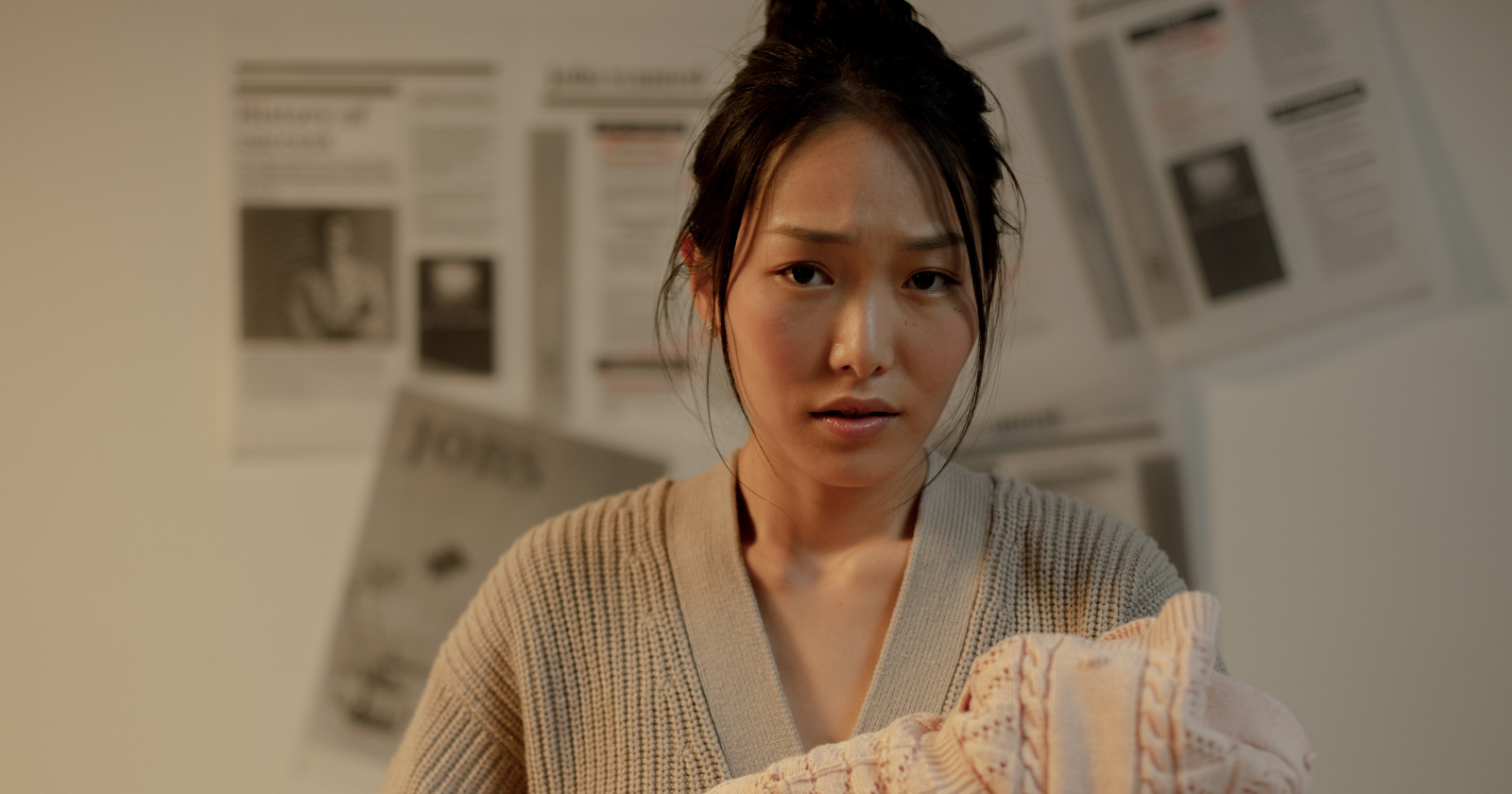
I remember sitting on the couch three days after Ellie was born, wondering why nobody had told me the truth. The books covered labor in excruciating detail. The classes prepared me for breathing techniques and birth plans.
But the weeks that followed? The bleeding, the night sweats, the way my body felt like it belonged to someone else entirely? That part got glossed over with vague phrases like “take it easy” and “sleep when the baby sleeps.”
Postpartum recovery is one of the most physically and emotionally demanding experiences a person can go through, yet we treat it like an afterthought.
As noted by the American College of Obstetricians and Gynecologists, the postpartum period should be viewed as the “fourth trimester” requiring ongoing care and support.
So let’s talk honestly about what actually helps during those tender, transformative weeks.
1) Lower your expectations, then lower them again
I had this vision of myself as a new mom: glowing, peaceful, gazing adoringly at my sleeping newborn while sipping tea in a sunlit room. The reality involved mesh underwear, tears over nothing and everything, and wondering if I’d ever feel like myself again.
The most helpful thing anyone told me was this: your only job right now is to heal and keep your baby alive. That’s it. The thank-you cards can wait. The dishes can wait. Your pre-pregnancy jeans can definitely wait.
Give yourself permission to do the bare minimum for at least the first few weeks. This might mean paper plates instead of dishes, the same rotation of stretchy clothes, and letting the house look like a small tornado passed through. None of that matters right now.
What matters is that you’re recovering from something major, and recovery requires rest, nourishment, and grace.
2) Build your support system before the baby arrives
Here’s something I wish I’d done differently with my first: I waited until I was drowning to ask for help. By then, I was too exhausted to even articulate what I needed.
If you’re still pregnant, start having conversations now. Who can bring meals? Who’s willing to hold the baby while you shower or nap? Is there a friend who won’t judge the state of your house and will just show up with coffee and fold some laundry? Those people are gold.
Related Stories from The Artful Parent
- 8 signs you’re raising an emotionally secure child even when it doesn’t feel like you know what you’re doing
- 9 things creative kids do that look like misbehavior but are actually signs their mind is working overtime
- The 8 messiest childhood activities are actually the ones building your child’s brain in ways screens never will
When Milo came along, Matt and I were more intentional. We said yes to every meal offer. We let my mother-in-law come for a week even though it felt vulnerable.
We hired a postpartum doula for a few visits, which felt like an extravagance but ended up being one of the best investments we made. She didn’t just help with the baby; she helped me process the birth, taught me how to care for my healing body, and reminded me that what I was feeling was normal.
If professional support isn’t accessible, look into local postpartum support groups, community meal trains, or even online communities where you can connect with others in the same season.
3) Prioritize nutrition like it’s medicine
Your body just did something extraordinary. Whether you birthed vaginally or via cesarean, you need real, nourishing food to heal. This isn’t the time for restriction or bouncing back. This is the time for replenishment.
I focused on warming, easy-to-digest foods: bone broth, slow cooker soups, oatmeal with nut butter, roasted vegetables, and plenty of healthy fats. Many traditional cultures have specific postpartum foods designed to restore energy and support milk production, and there’s wisdom in that approach.
Stock your freezer before birth if you can. Accept every casserole. Keep one-handed snacks within reach of wherever you nurse or feed the baby. I practically lived on energy balls, cheese sticks, and cut fruit those first weeks. Hydration matters too, especially if you’re breastfeeding. I kept a giant water bottle with me at all times and refilled it constantly.
- The teen blogger whose “My Crappy Life” posts became a murder investigation - The Blog Herald
- When preaching civility gets you into a fight with the BBC - The Blog Herald
- Research suggests people who document their lives in writing — blogs, journals, essays — don’t just remember their experiences better, they understand them differently, because narration and comprehension use the same cognitive architecture - The Blog Herald
If cooking feels impossible, that’s okay. This is when convenience serves you. Pre-washed salad greens, rotisserie chicken, frozen vegetables, and simple grain bowls can be deeply nourishing without requiring any real effort.
4) Honor your body’s need for rest, even when sleep is broken
“Sleep when the baby sleeps” is advice that makes me want to laugh and cry simultaneously. Sure, in theory. But when the baby sleeps, you might also need to eat, shower, stare at the wall, or simply exist without someone attached to you.
Still, rest matters enormously. Research published in the journal Sleep Medicine Reviews shows that sleep deprivation in new mothers is linked to increased risk of postpartum depression and slower physical recovery. So while perfect sleep isn’t possible, finding pockets of rest is essential.
What helped me was reframing rest as more than just sleep. Lying down while the baby contact naps counts. Sitting quietly with your eyes closed while someone else holds the baby counts. Going to bed embarrassingly early counts. Let go of productivity guilt and embrace horizontal time whenever you can steal it.
If you have a partner, consider taking shifts. With Milo, Matt would take him for a few hours in the evening so I could get one uninterrupted stretch of sleep. It made a remarkable difference in how I felt the next day.
5) Be gentle with your emotional landscape
Postpartum emotions are wild. One minute you’re overwhelmed with love, the next you’re sobbing because the baby’s tiny socks are just so small. Hormones are shifting dramatically, sleep is scarce, and your identity is reorganizing itself around this new role. It’s a lot.
The “baby blues” are common in the first two weeks and usually resolve on their own. But if feelings of sadness, anxiety, or hopelessness persist or intensify, please reach out for help. Postpartum depression and anxiety are more common than most people realize, affecting roughly 1 in 8 women according to the CDC. They’re also very treatable.
I experienced postpartum anxiety after Ellie, though I didn’t recognize it at first. I thought the racing thoughts and constant worry were just part of being a new mom. When I finally talked to my midwife about it, she helped me understand that while some worry is normal, what I was experiencing had crossed into something that needed support. Therapy and time made a world of difference.
Talk to someone you trust about how you’re really feeling. Not the polished version, the real one. And if something feels off, advocate for yourself. You deserve to feel okay.
6) Move gently when your body is ready
There’s so much pressure to “bounce back” after having a baby, and I want to gently push against that narrative. Your body doesn’t need to bounce anywhere. It needs to heal, strengthen, and be treated with kindness.
That said, gentle movement can feel really good when you’re ready. In the early days, this might just mean slow walks around the house or some deep breathing. As weeks pass, you might feel up for short walks outside, gentle stretching, or postpartum-specific exercises that help restore your core and pelvic floor.
I found that getting outside, even just to sit on the porch with the baby, helped my mood tremendously. Fresh air and natural light do something for the postpartum brain that staying cooped up inside simply can’t replicate.
When I felt ready for more, I worked with a pelvic floor physical therapist who helped me understand what my body needed before jumping back into any real exercise. It was eye-opening and something I recommend to every postpartum person.
Listen to your body. Some days you’ll have more energy than others. Honor both.
7) Protect your peace fiercely
Everyone wants to meet the baby. Everyone has opinions about how you should be doing things. Everyone means well, but everyone can also be exhausting.
You are allowed to set boundaries. You’re allowed to say no to visitors when you’re not up for it. You’re allowed to ask people to wash their hands, to keep visits short, to not show up unannounced. You’re allowed to ignore unsolicited advice and trust your own instincts.
With Ellie, I said yes to everything because I didn’t want to seem difficult. I hosted visitors when I should have been resting. I smiled through comments that made me feel inadequate.
By the time Milo arrived, I had learned. We kept the first two weeks mostly quiet. We asked visitors to bring food or help with something specific. We protected our little cocoon.
Your postpartum period is not a performance. It’s a sacred, vulnerable, intense time of transition. Surround yourself with people who make you feel supported, not depleted. And give yourself full permission to protect your peace.
Closing thoughts
Postpartum recovery is messy and tender and harder than anyone really prepares you for. But it’s also temporary. The fog lifts. Your body heals. You find your footing as a parent, even when it feels like you never will.
Be patient with yourself. Accept help without guilt. Nourish your body and rest when you can. Pay attention to your emotional health and speak up if something feels wrong. Move gently. Protect your peace.
And remember: you don’t have to do this perfectly. You just have to do it with as much kindness toward yourself as you’d offer your best friend. You’re doing something remarkable. Let yourself be held through it.