
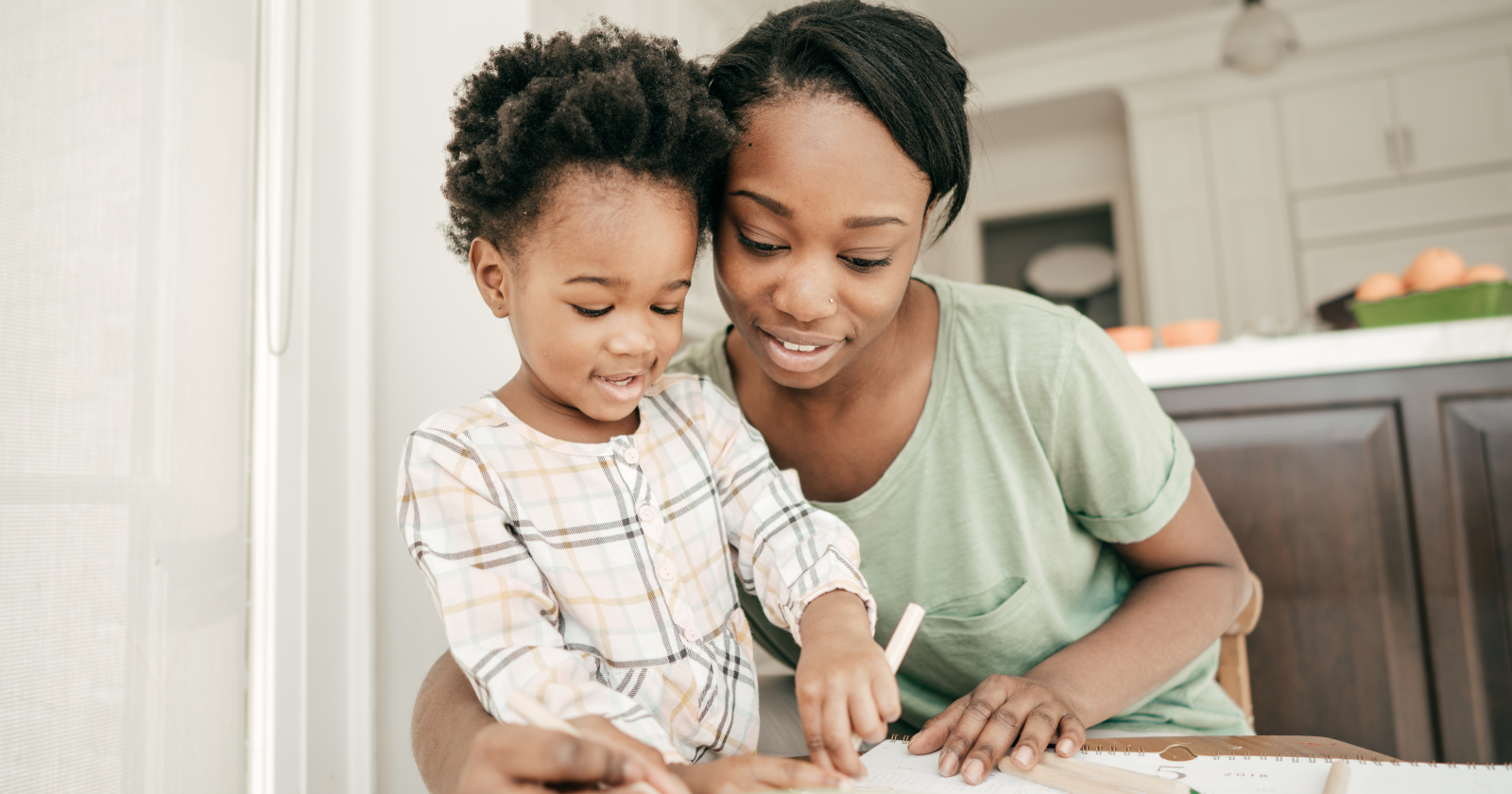
There’s a particular kind of tired that single parents know. The kind where you’re the only adult in the house at 2 a.m. when the fever spikes. The kind where every decision, every permission slip, every emotional meltdown lands squarely on your shoulders.
I’ve watched friends navigate this path, and what strikes me most isn’t how hard it is (though it absolutely is). What strikes me is how some of them seem to find their footing in ways that feel almost counterintuitive.
The single parents I know who are genuinely thriving aren’t doing more. They’re doing things differently. They’ve stopped trying to replicate a two-parent household with one person and started building something that actually works for their reality. These seven habits keep showing up in their lives, and I think they’re worth examining closely.
1) They build a village on purpose
The phrase “it takes a village” gets thrown around a lot, but for single parents, it’s not a nice sentiment. It’s a survival strategy. The thriving single parents I know don’t wait for community to magically appear. They actively construct it, one relationship at a time.
This might look like trading childcare with another single parent on alternating weekends. It might mean cultivating a genuine friendship with a neighbor who can be the emergency contact when you’re stuck in traffic.
One friend of mine created a group text with three other parents from her daughter’s preschool, and they rotate pickup duties when someone has a work conflict.
As noted by researchers at the American Psychological Association, social support is one of the strongest predictors of wellbeing for single-parent families. But here’s the thing: you have to ask. You have to be willing to say “I need help with this” out loud, which brings us to the next habit.
2) They’ve made peace with asking for help
There’s a stubborn myth that good parenting means handling everything yourself. Single parents who thrive have rejected this completely. They ask for help before they’re drowning, not after.
This requires a mental shift that can feel uncomfortable at first. You have to believe, really believe, that accepting help doesn’t make you less capable. It makes you strategic. The parent who asks a coworker to grab diapers on their lunch break isn’t failing. They’re problem-solving.
I’ve noticed that the single parents who struggle most are often the ones who’ve internalized the idea that they need to prove something. That asking for help somehow confirms a narrative they’re trying to fight against. But the ones who thrive? They’ve flipped the script.
They see their willingness to lean on others as a strength, not a weakness. And their kids are watching them model something important: that humans are meant to support each other.
Related Stories from The Artful Parent
- 8 signs you’re raising an emotionally secure child even when it doesn’t feel like you know what you’re doing
- 9 things creative kids do that look like misbehavior but are actually signs their mind is working overtime
- The 8 messiest childhood activities are actually the ones building your child’s brain in ways screens never will
3) They ruthlessly protect their energy
When you’re the only adult running the show, your energy isn’t just important. It’s the foundation everything else rests on. Single parents who thrive have learned to guard it fiercely.
This means saying no to things that drain them without adding value. The PTA committee that meets during the only hour they have to themselves? No. The friend who only calls to vent but never asks how they’re doing? Boundaries. The guilt-driven obligation to make every holiday Pinterest-perfect? Released.
One single mom I know describes it as “protecting the asset.” She’s the asset. If she burns out, everything falls apart. So she’s learned to notice when she’s running on empty and to treat rest as non-negotiable rather than earned. She goes to bed early without apology. She orders takeout when cooking feels like too much. She’s stopped performing productivity for an audience that doesn’t exist.
This isn’t selfish. It’s sustainable. And sustainability is what single parenting demands.
4) They create systems that run without them
The mental load in any household is heavy. In a single-parent household, there’s no one to hand it off to. So the parents who thrive have learned to externalize as much of it as possible.
This looks like visual routines posted on the wall so kids know what comes next without being told. It looks like a designated spot for backpacks, shoes, and keys so mornings don’t dissolve into frantic searching. It looks like meal planning that removes daily decision fatigue, even if “planning” just means rotating through the same seven dinners.
- Do Branded Promotional Products Still Work? What Bloggers Should Know Before Investing - The Blog Herald
- Your Boomer mother didn’t stop having dreams when she had you — she just stopped mentioning them because every time she said “I used to want to” someone in the room made it about guilt, and eventually she learned that the safest place to keep an unlived life was inside a sentence that started with “it doesn’t matter anymore” - Global English Editing
- I’m 65 and I spent forty years believing retirement would feel like relief – instead it feels like I finally have permission to become the person I was too busy to be, and that freedom is terrifying and exhilarating in equal measure - Global English Editing
I’m a big believer in systems over willpower. When you’re exhausted, willpower fails. But a system keeps running. One single dad I know batch-preps school lunches every Sunday. His kids help assemble them, which means less work for him and more ownership for them. The system does the heavy lifting so he doesn’t have to.
The goal isn’t perfection. The goal is reducing the number of things you have to actively think about so your brain has space for what actually matters.
5) They let their kids carry age-appropriate weight
There’s a balance here that thriving single parents seem to find instinctively. They don’t parentify their children or burden them with adult worries. But they also don’t shield them from all responsibility.
Kids in single-parent homes often develop remarkable competence because they’re genuinely needed. The four-year-old who helps sort laundry. The eight-year-old who can make their own breakfast. The twelve-year-old who handles their own homework without being reminded. These aren’t kids being robbed of childhood. They’re kids learning that they’re capable, that their contributions matter.
Research from the National Institutes of Health suggests that age-appropriate responsibilities actually boost children’s self-esteem and sense of belonging. The key word is “appropriate.” A child shouldn’t be managing their parent’s emotions or worrying about bills. But they can absolutely feed the dog, set the table, or pack their own bag.
The single parents who thrive frame this as teamwork, not burden. “We’re a team, and everyone on the team has a job.” Kids rise to that.
6) They’ve stopped comparing their family to others
This one is quiet but powerful. The single parents who are genuinely doing well have stopped measuring their family against some imagined ideal. They’ve accepted that their family looks different, and different isn’t less.
Comparison is a trap for any parent, but it hits single parents especially hard. The two-parent families at school pickup. The Instagram posts of couples dividing bedtime duties. The cultural narrative that positions single parenthood as something to overcome rather than simply a way of being a family.
Thriving single parents have done the internal work to reject this. They’ve grieved whatever needed grieving and moved into acceptance. Their family is whole as it is. Their kids aren’t missing something essential. They’re being raised by a parent who shows up fully, and that’s enough.
This mindset shift doesn’t happen overnight. But once it clicks, it’s liberating. You stop trying to compensate for something that isn’t actually missing.
7) They invest in their own identity beyond parenting
When you’re the sole parent, it’s easy to let that role consume everything. But the single parents who thrive have held onto something that’s just theirs. A hobby. A friendship. A creative outlet. Something that reminds them they’re a person, not just a function.
This might look like a weekly run while the kids are at their other parent’s house. It might be a book club, a side project, or just an hour of uninterrupted quiet with coffee before the house wakes up. The specific activity matters less than the fact that it exists.
As parenting researcher The Gottman Institute has noted, parents who maintain their sense of self are better equipped to handle stress and model healthy boundaries for their children. You can’t pour from an empty cup, but you also can’t pour if you’ve forgotten you’re a cup at all.
The single parents I admire most haven’t martyred themselves on the altar of parenthood. They’ve figured out how to stay connected to who they were before kids and who they’re still becoming.
Closing thoughts
Single parenting is hard. There’s no habit or system that erases that reality. But the parents who thrive aren’t the ones with the most resources or the easiest circumstances. They’re the ones who’ve learned to work with what they have instead of against it.
They build support networks. They ask for help without shame. They protect their energy and create systems that carry some of the weight. They let their kids contribute. They stop comparing. And they remember that they’re more than just “mom” or “dad.”
If you’re a single parent reading this, I hope you see yourself in some of these habits. And if you don’t yet, I hope you see them as possibilities rather than standards you’re failing to meet. You’re doing something incredibly hard.
The fact that you’re still showing up, still looking for ways to do it better, already says everything about the kind of parent you are.