

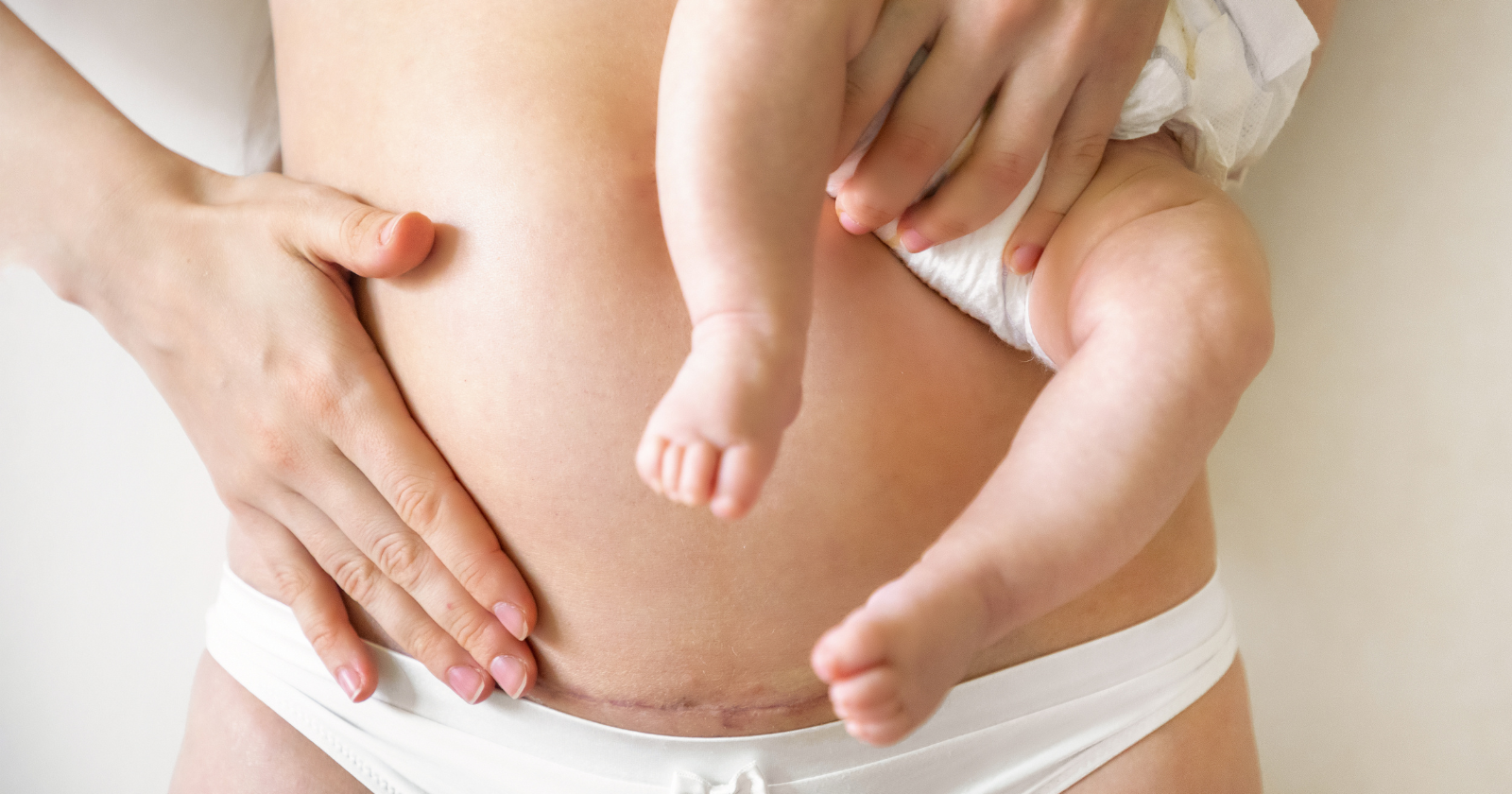
Whether your C-section was planned months in advance or happened in the whirlwind of an unexpected birth story, the recovery journey is its own chapter entirely. You’ve just had major abdominal surgery and welcomed a tiny human into your arms. That’s a lot for one body and heart to hold.
I remember talking with a close friend after her cesarean, watching her navigate those early weeks with a mix of determination and tenderness. She told me the advice that actually helped wasn’t the clinical stuff from discharge papers. It was the real, lived wisdom from other moms who’d walked the same path.
So I gathered insights from women in my community, online groups, and trusted sources to share what genuinely made their recoveries smoother. These aren’t magic fixes, but small shifts that can bring real relief when you need it most.
1) Create a recovery station within arm’s reach
One of the most repeated pieces of advice I heard was this: set yourself up so you barely have to move. In those first days home, every twist and reach can feel like a monumental effort. Your body is healing from the inside out, and unnecessary movement can slow that process.
Think about where you’ll spend most of your time, whether that’s your bed, a cozy corner of the couch, or a recliner. Stock that space with everything you might need: water bottles, snacks that can be eaten one-handed, your phone charger, burp cloths, diapers, and any medications or supplements you’re taking.
A small basket or caddy can keep things organized without cluttering your healing space.
Several moms mentioned keeping a second station set up in another room for daytime hours. This way, you’re not hauling supplies back and forth or asking your partner to fetch things constantly. It sounds simple, but having what you need within reach preserves your energy for what matters most: resting and bonding with your baby.
2) Embrace the pillow fortress
If there’s one item that came up again and again, it’s pillows. Lots of them. Recovering from a C-section means protecting your incision site while still needing to nurse, hold your baby, and find some semblance of comfortable sleep.
A firm pillow pressed gently against your abdomen can be a lifesaver when you need to cough, sneeze, or laugh. It provides counter-pressure that eases the strain on your healing muscles. Many women swore by nursing pillows not just for feeding, but for creating a buffer between baby and incision during cuddle time.
For sleep, experiment with pillow placement. Some moms found relief sleeping slightly propped up, while others tucked pillows under their knees to reduce tension on the lower belly. One friend told me she felt like she was building a nest each night, but that nest was the only way she could rest without waking in pain.
Don’t be shy about borrowing extra pillows from around the house or asking someone to grab a few more. Your comfort is worth it.
Related Stories from The Artful Parent
- 8 signs you’re raising an emotionally secure child even when it doesn’t feel like you know what you’re doing
- 9 things creative kids do that look like misbehavior but are actually signs their mind is working overtime
- The 8 messiest childhood activities are actually the ones building your child’s brain in ways screens never will
3) Move gently, but do move
This one feels counterintuitive when every fiber of your being wants to stay completely still. But gentle movement, as soon as you’re cleared by your care team, can actually support healing. Walking helps prevent blood clots, encourages healthy circulation, and can ease the uncomfortable gas and bloating that often follows abdominal surgery.
The key word here is gentle. We’re talking slow laps around your living room, not power walks around the neighborhood. The American College of Obstetricians and Gynecologists recommends gradually increasing activity while listening to your body’s signals. If something hurts, that’s information. Ease back and try again later.
Several moms shared that setting small goals helped them stay motivated without overdoing it. Maybe it’s walking to the mailbox by week two, or doing a few gentle stretches each morning. These tiny victories add up and remind you that your body is getting stronger, even when progress feels invisible.
4) Ask for help before you’re desperate
Here’s something I’ve learned from watching friends and family navigate postpartum life: waiting until you’re completely overwhelmed to ask for help makes everything harder. By that point, you’re exhausted, possibly in tears, and the people who want to support you don’t know where to begin.
Instead, try making a list before baby arrives of specific tasks others can take on. Meal drop-offs, grocery runs, holding the baby while you shower, entertaining older siblings, folding laundry. When someone offers help, you can point them to something concrete instead of mumbling “I’m fine” when you’re clearly not.
One mom told me she created a shared online document where friends and family could sign up for meal deliveries and errand days. It felt awkward at first, she said, but it ended up being the single best decision she made for her recovery. People genuinely want to help.
- The teen blogger whose “My Crappy Life” posts became a murder investigation - The Blog Herald
- When preaching civility gets you into a fight with the BBC - The Blog Herald
- Research suggests people who document their lives in writing — blogs, journals, essays — don’t just remember their experiences better, they understand them differently, because narration and comprehension use the same cognitive architecture - The Blog Herald
Letting them in isn’t weakness; it’s wisdom. And if you don’t have a large support network nearby, look into postpartum doulas or meal delivery services. Investing in support is investing in your healing.
5) Stay ahead of the pain
Many women shared that they made the mistake of skipping pain medication because they felt okay in the moment, only to find themselves in agony a few hours later. The consensus was clear: stay ahead of the pain rather than chasing it.
Your medical team will send you home with guidance on pain management. Follow it. Set alarms if you need to, especially in those foggy early days when time blurs together. Taking medication on schedule keeps discomfort at a manageable level and allows you to rest, move, and care for your baby more easily.
If you prefer to minimize pharmaceutical pain relief, talk with your provider about complementary approaches. Some moms found relief with gentle heat packs (not directly on the incision), arnica supplements, or specific positioning techniques.
As noted by researchers in the Journal of Clinical Medicine, multimodal pain management that combines different approaches often leads to better outcomes after cesarean delivery. Whatever path you choose, the goal is the same: keeping pain low enough that you can focus on recovery and your new little one.
6) Wear high-waisted, soft everything
No one warned me about this until I started asking around, but what you wear matters more than you might expect. Your incision sits right where most waistbands land, and anything that rubs, presses, or irritates that area can make daily life miserable.
The overwhelming recommendation? High-waisted underwear in the softest fabric you can find. Many moms loved the mesh underwear from the hospital and wished they’d taken more home. Others ordered high-waisted postpartum underwear online before their due date, and those became their uniform for weeks.
Loose, flowy dresses and nightgowns were another favorite. They allow easy access for nursing or skin-to-skin time without anything touching your belly.
One mom joked that she lived in her husband’s oversized t-shirts for the first month and had zero regrets. Comfort trumps style right now. Give yourself full permission to dress for healing, not appearances.
7) Nourish yourself like it matters (because it does)
Your body just did something extraordinary, and now it’s working hard to repair tissue, produce milk if you’re nursing, and keep you functioning on fragmented sleep. What you eat plays a real role in how quickly and smoothly you recover.
Focus on foods that support healing: protein for tissue repair, fiber to keep digestion moving (constipation after a C-section is no joke), and plenty of fluids to stay hydrated. Iron-rich foods can help replenish what you lost during surgery. Think nourishing soups, smoothies packed with greens and healthy fats, whole grains, and easy-to-grab snacks like nuts and cheese.
This is also a beautiful time to lean on your community for meal support. When people ask what they can bring, request dishes that freeze well or can be eaten with one hand. Lactation cookies, hearty stews, and casseroles were mentioned repeatedly as postpartum lifesavers.
As one mom put it, “I couldn’t control how my birth went, but I could control how I fed myself afterward. That felt empowering.”
8) Honor your emotional recovery too
So much focus goes to the physical side of C-section recovery, but the emotional journey deserves just as much attention. Some women feel relieved and grateful for their cesarean birth. Others carry grief, disappointment, or even trauma about how things unfolded. All of these feelings are valid.
Give yourself space to process your birth experience, whatever it looked like. Talk to your partner, a trusted friend, or a therapist who specializes in perinatal mental health. Journaling can help too, even just a few sentences when you have a quiet moment.
Postpartum Support International offers resources and support groups for parents navigating the emotional complexities of new parenthood.
Watch for signs that you might need extra support, like persistent sadness, anxiety that feels unmanageable, or difficulty bonding with your baby. These aren’t failures; they’re signals that your brain and body need more care. Reaching out for help is one of the bravest things you can do for yourself and your family.
Closing thoughts
Recovery from a C-section isn’t linear. Some days you’ll feel stronger, and others you’ll wonder if you’re moving backward. Both are normal. Your body has been through something significant, and healing takes the time it takes.
What I hope you carry from these tips is permission. Permission to rest deeply, ask for help loudly, and prioritize your own recovery alongside caring for your baby. The dishes can wait. The thank-you notes can wait. Your healing cannot.
Lean on the wisdom of moms who’ve walked this road before you. Build your pillow fortress. Stock your recovery station. And remember that every small step forward is progress, even when it doesn’t feel that way. You’re doing beautifully, mama. One gentle day at a time.
