Retirement gave me back the person I’d been telling to shut up since 1991. That sounds dramatic, and maybe it is, but I’ve spent the last few months painting watercolours at the kitchen table, pulling weeds from a garden I actually designed myself, and baking bread from scratch on Saturday mornings. Every single one of these activities is something I once said I didn’t have time for. And every single one of them, I now realize, is something I actively wanted to do for decades while convincing myself the wanting was frivolous.
The conventional wisdom says that hobbies in retirement are a reward for years of hard work. You’ve earned it. Put your feet up. Take a class. The framing is always that creativity after sixty is a pleasant bonus, a bit of leisure to fill the hours. Most people believe the creative impulse gets weaker as you age, that retirement hobbies are just ways to keep busy, keep the mind ticking over, prevent decline.
That framing is completely wrong. What I’ve found, and what catches me off guard almost daily, is that the creative impulse didn’t weaken during my working years. I smothered it. Deliberately. Because I was raised to believe that a man’s worth was measured in productivity, and painting a picture produced nothing anyone could quantify on a spreadsheet.
The Thirty-Year Deferral
I worked in human resources for over thirty years at a large manufacturing company. Started in payroll administration, worked my way into employee relations. I was good at it. I could sit with someone during a redundancy conversation or a disciplinary hearing and make them feel like a person rather than a problem. That skill mattered. I’m proud of it.
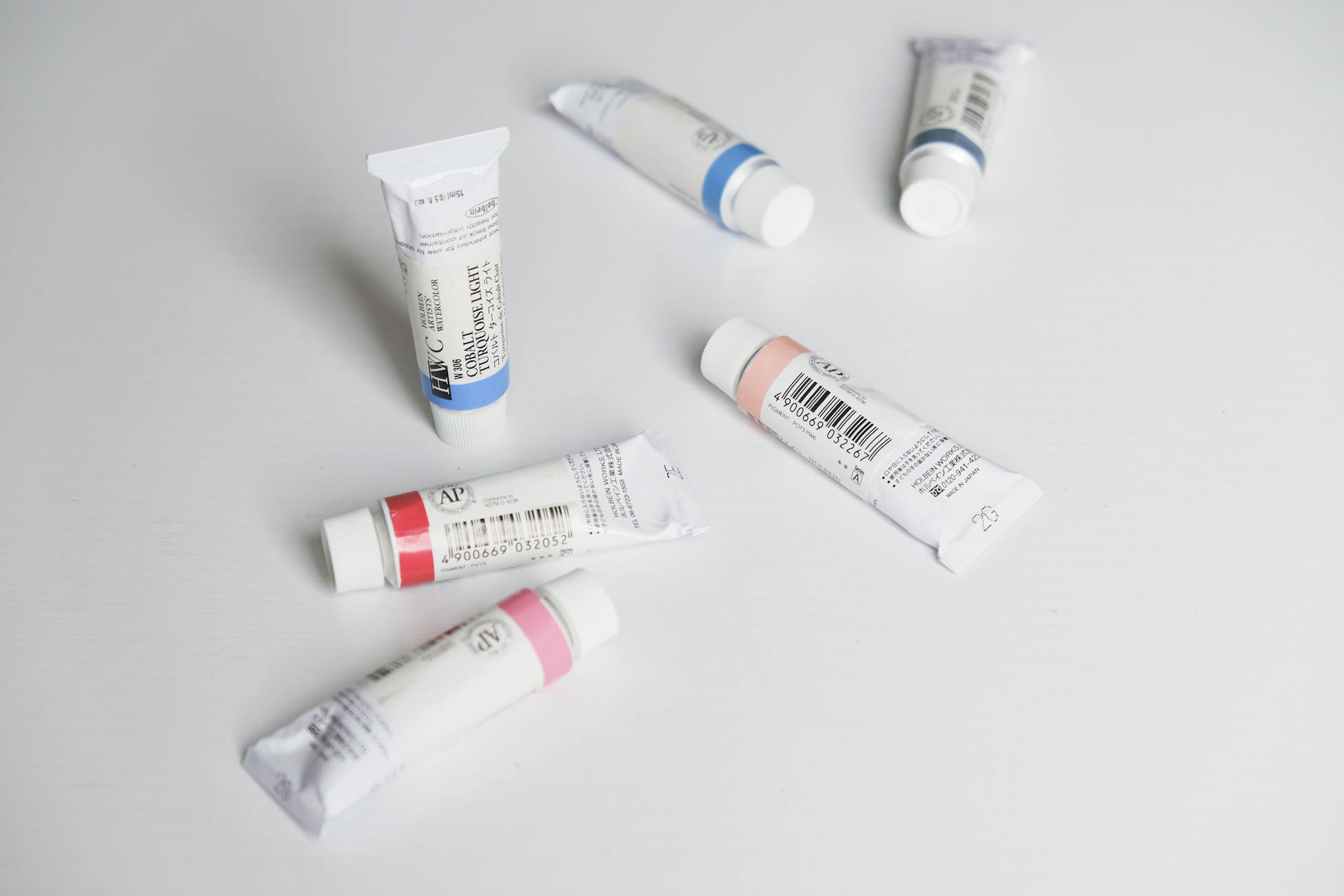
But pride in useful work has a shadow side. The more I defined myself by being useful at the office, the less room there was for anything that served no purpose beyond making me feel alive. I remember Linda, my wife, buying me a set of watercolour paints for my forty-second birthday. Nice ones, too. I thanked her, put them on a shelf in the spare room, and never opened them. The boys were teenagers then, work was relentless, and the idea of sitting down to paint felt almost offensive. Who had the luxury?
Those paints stayed on that shelf for twenty-one years. Linda found them when we were clearing out the room after I retired. The tubes were still sealed. She held them up and looked at me and didn’t say a word, which was worse than anything she could have said.
I’ve written before about how retirement identity hit me harder than I expected. The first months felt like falling off a cliff. But what I didn’t understand then, and am only starting to understand now, is that the cliff wasn’t just about losing a job title. I’d also lost the excuse that had been protecting me from vulnerability for three decades.
Why We Call It “Not Having Time”
“I don’t have time” is the most socially acceptable lie in the English language. Everyone nods. Nobody pushes back. You can say it about anything: exercise, reading, calling your mother, learning to cook properly, sitting in a garden you planted yourself. The real translation, at least in my case, was closer to: “I’m afraid that if I try this and I’m bad at it, I’ll have to face the fact that I’ve been hiding behind busyness my entire adult life.”
Harsh? Maybe. True? Absolutely.
I started therapy for the first time in my sixties, at Linda’s suggestion. One of the things my therapist helped me see was that my “easy-going” reputation at work, my willingness to always be available, my habit of filling every hour with tasks, was partly a way of avoiding the quiet. In the quiet, feelings lived. In the quiet, I might have to ask myself whether I was happy. Staying busy meant never having to answer.
Many who work with life stage transitions have observed this pattern: the deferral of personal creative expression during decades of obligation. Parenting, career building, mortgage paying. These are real demands. I’m not dismissing them. But somewhere along the way, I stopped distinguishing between “I genuinely cannot do this right now” and “I’m choosing not to do this because it doesn’t fit the version of myself I’ve built.”
The Garden Came First
The first creative thing I did after retiring was plant a garden. Not a grand one. A few raised beds in the back, some herbs along the fence, a patch of wildflowers that Linda chose. I’d always liked the idea of gardening. My mother grew runner beans in a tiny plot behind our terraced house in the north of England. She’d send me out to pick them and I remember the satisfying snap of the stem, the way the pods were warm from the sun.
For forty years, our garden was something I mowed. That was my relationship to it. Keep the grass short, trim the hedge, done. Linda handled the flowers when she had time, which wasn’t often either.
The first morning I knelt in the dirt and actually planted something with my own hands, something that would take weeks to show any result, I felt a physical loosening in my chest. I can’t explain it better than that. Something unclenched. I was doing a thing with no deadline, no outcome anyone was measuring, no performance review at the end. The patience it required was the entire point.
I enjoy the combination of patience and tangible results. You put a seed in the ground, you water it, you wait. You can’t rush it and you can’t control it and you can’t delegate it. For someone who spent thirty years in a job that was essentially about managing people and processes, that absence of control was terrifying at first. Then it became the thing I needed most.
Bread as Rebellion
The baking started because I watched Linda do it. She’d been making her own bread for years, weekends when she had the energy. I’d eat it and compliment it and never once offer to learn. Some part of me, and I’m embarrassed to admit this, thought baking was beneath the scope of what I should be doing with my time. I had a career to manage. I had boys to raise. I had a household to keep running financially.
I was wrong. Obviously.
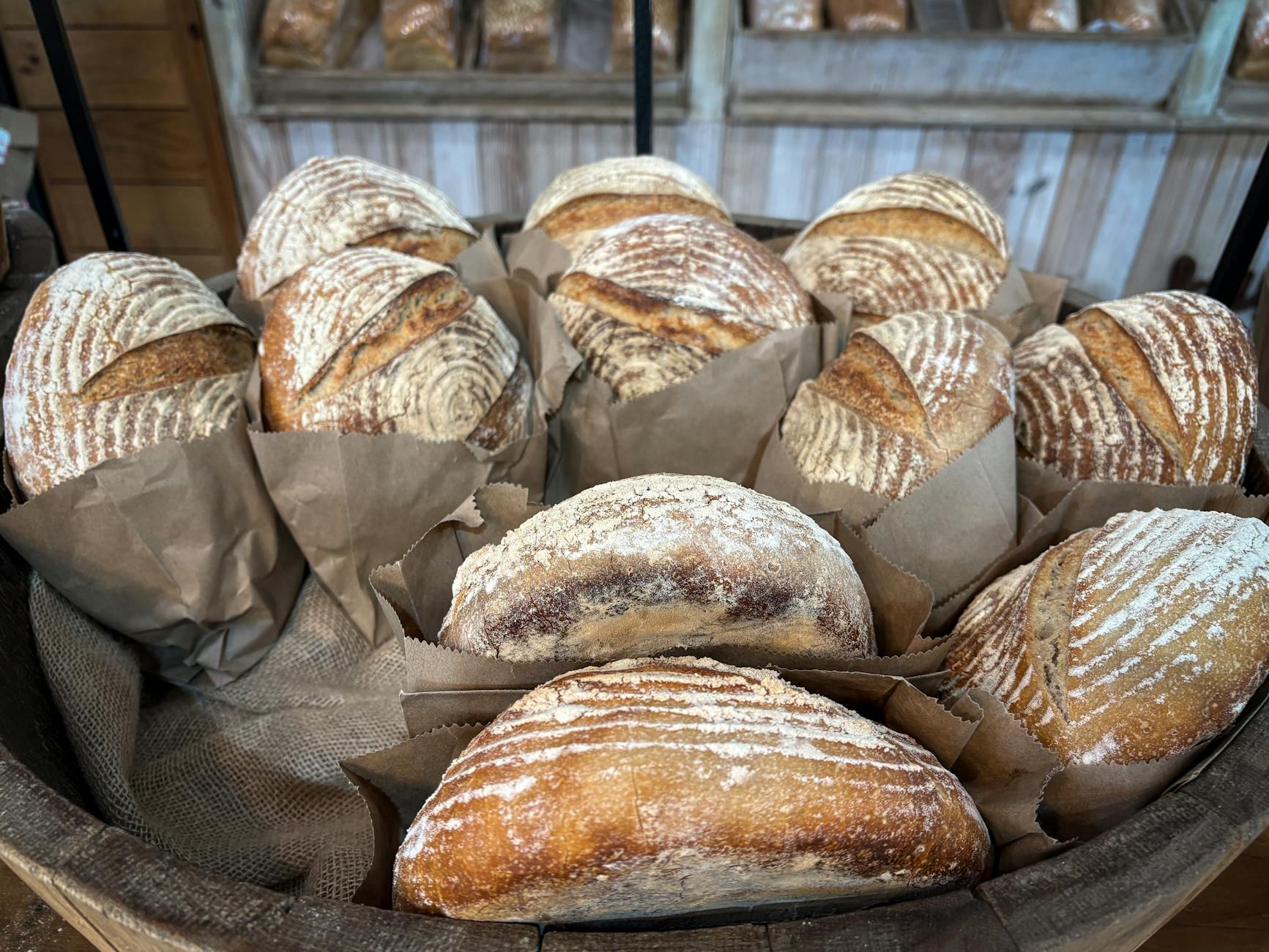
Following a recipe is meditative in a way I didn’t expect. The measuring, the kneading, the waiting for dough to rise. My hands doing something slow and deliberate. When the first loaf I made from scratch came out of the oven and actually looked like bread, I stood in the kitchen and felt something embarrassingly close to tears. Not because the bread was exceptional. Because I was sixty-three years old and doing something I could have been doing since I was thirty.
That’s the grief at the centre of this. The creative things I’m doing now bring me genuine joy, and that joy is always laced with the recognition that I withheld this from myself for decades. Nobody made me. I volunteered.
What My Sons See
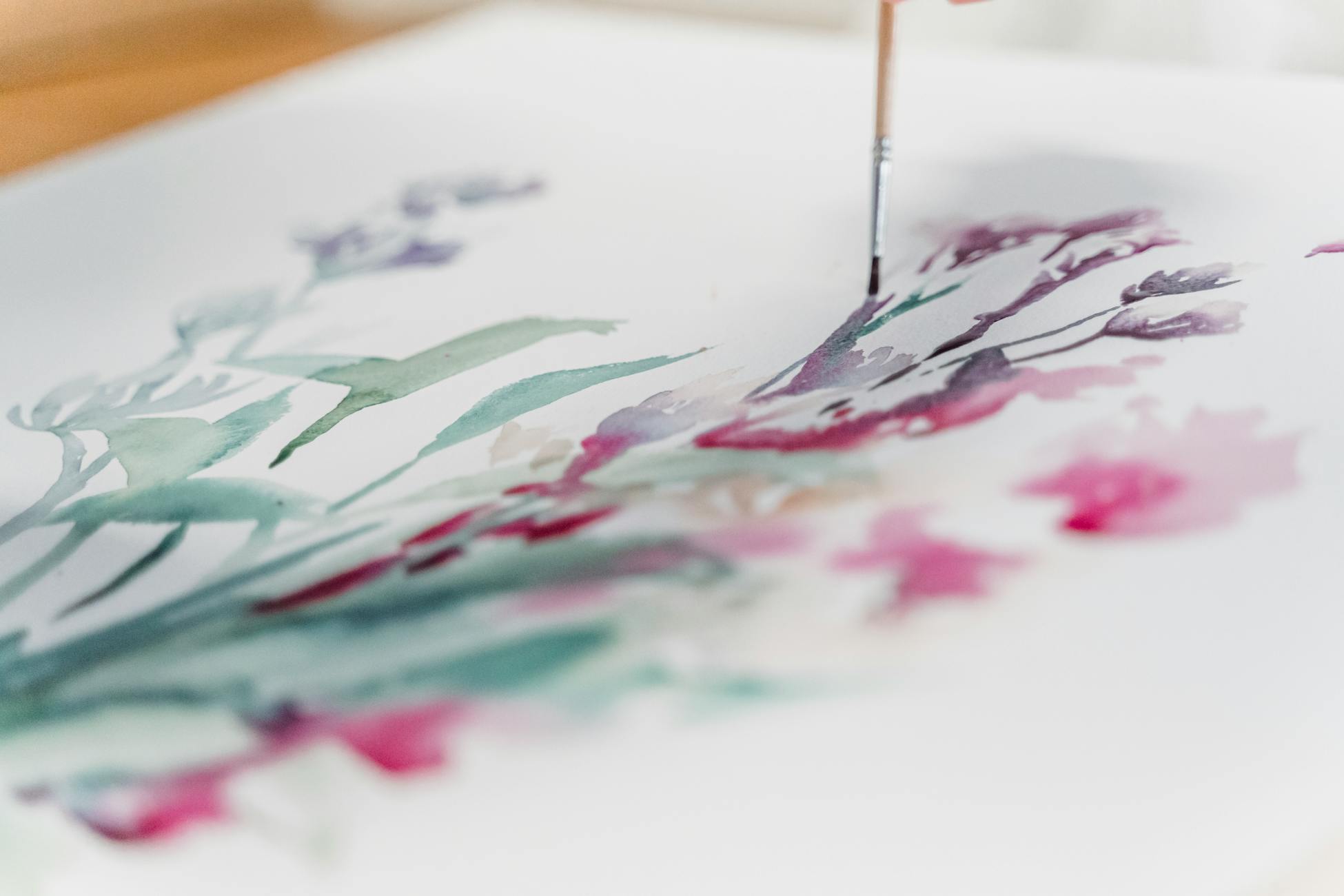
My older son came round a few weeks ago and found me at the kitchen table with watercolours spread out, painting a very mediocre robin from a photograph I’d taken in the park. He stood in the doorway for a moment and then said, “Who are you and what have you done with my dad?”
He was joking. Mostly.
I’ve written before about how my son told me his favourite childhood memory wasn’t anything I’d bought him but a morning I’d called in sick to build a fort in the living room. That conversation changed something in me. It made me realise that the version of love I’d been offering for most of my life, the providing, the fixing, the solving, was love expressed through productivity. And productivity was the only language I trusted because it was the only one anyone had ever taught me.
My father worked in a factory. He came home tired. He didn’t paint or garden for pleasure or bake bread. He watched the news and went to bed and got up and did it again. I loved him and I became him without ever consciously choosing to.
Both my sons are in their thirties now, raising families of their own. I watch them and I see the same machinery starting to grind. The same calculus: time spent on yourself is time stolen from your children. Every hour that isn’t earning or parenting is an hour wasted. I want to grab them by the shoulders and say: the thing you keep putting off is the thing that will save you. But advice from fathers lands differently than advice from strangers, so I try to show them instead. I paint badly. I bake bread. I kneel in the garden.
Creative Ageing Isn’t a Consolation Prize
There’s a growing recognition that creative ageing programmes matter, that art and making and growing things in later life aren’t just nice diversions but genuine contributors to wellbeing. Research into positive beliefs about ageing suggests that how we frame this chapter of life affects everything from cognitive health to recovery from impairment. If you believe creativity after sixty is decline management, that belief shapes the experience. If you believe you’re finally doing what you were always meant to do, that shapes it too.
I choose the second frame. Because the evidence of my own life supports it.
The mornings I spend painting are the mornings I feel most like myself. The person who existed before the career, before the mortgage, before the decades of performing competence for an audience that mostly wasn’t watching. My grandchildren see it. My three-year-old granddaughter sat on my lap last week while I was mixing colours and said “Grandpa, you’re making a mess” with such delight that I thought: yes. Exactly. I’m making a mess. Finally.
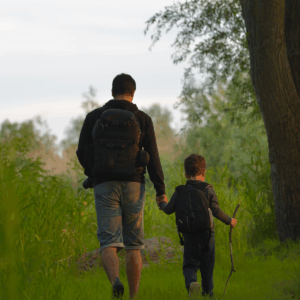
When I take my grandchildren to the park on weekend mornings, which is non-negotiable time for me, I notice that they don’t separate play from creation. My eldest grandson builds things from sticks and mud without any anxiety about whether the result is good enough or productive enough or worth the time. He just builds. Somewhere between his age and mine, that instinct gets trained out of us. We learn to ask “what’s the point?” before we start anything. The point, I now understand, is the doing.
The Shelf Where Things Wait
Those sealed watercolour tubes sat on a shelf for twenty-one years. I think about all the other things sitting on shelves, metaphorical and otherwise, in the homes of people my age. The guitar nobody plays. The journal nobody writes in. The language nobody learns. The recipe nobody tries. All of them waiting behind the same locked door, and the key is so ordinary it’s almost insulting: you just have to decide that you matter enough to spend time on yourself without justifying it to anyone.
I couldn’t do that at forty-two. I can do it at sixty-three.
The bread I made yesterday wasn’t as good as Linda’s. My watercolour robin looks more like a smudge with ambitions. The garden is producing more weeds than vegetables at the moment, if I’m honest. None of that is the point.
The point is that I’m sixty-three years old and I’m finally meeting myself for the first time. The person who paints, who gardens, who stands in a kitchen covered in flour and feels something close to peace. He was there the whole time. I just kept telling him to be quiet because there was work to do.
There’s no work to do anymore. So he speaks. And I listen.