

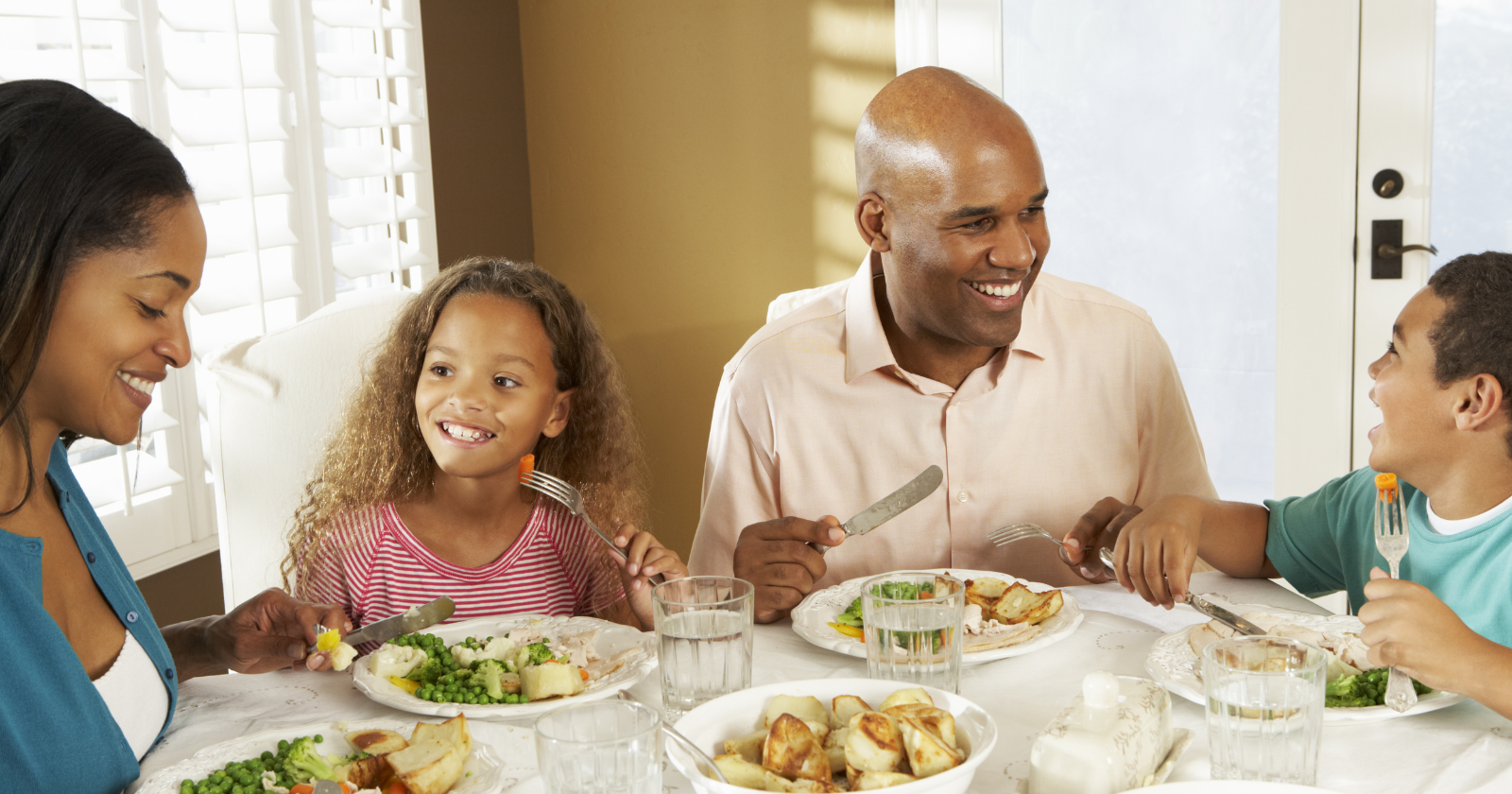
Last night, I watched my five-year-old carefully fold her napkin and place it beside her plate before asking to be excused. The candlelight flickered across her face as she waited patiently for her little brother to finish his last bite.
These small moments around our kitchen table might seem insignificant, but they’re actually shaping who my children will become in boardrooms, coffee shops, and living rooms for decades to come.
The dinner table is where we’re raising future adults, one meal at a time. And honestly? Most of the important stuff has nothing to do with whether they’re eating their broccoli.
1) How to read the room before speaking
Ever notice how kids just blurt things out at the worst possible moments? Mine certainly do. But dinner conversations are teaching them something crucial: timing matters.
When my daughter wants to share her elaborate story about finding a caterpillar while her brother is mid-meltdown about his peas touching his potatoes, she’s learning to pause. She’s discovering that sometimes you wait for the right moment to speak up. Sometimes you let someone else have their turn first.
This translates directly to their future. The colleague who knows when to pitch an idea. The friend who senses when to offer advice versus just listen. The partner who understands when silence speaks louder than words.
We practice this by having everyone take turns sharing one thing from their day. No interrupting allowed. Simple? Yes. Revolutionary for a two-year-old who thinks every thought deserves immediate airtime? Absolutely.
2) The art of sitting still when you’d rather be anywhere else
My son would rather be building couch cushion forts than sitting at the table for twenty minutes. I get it. But learning to stay put when you’re bored or restless? That’s a superpower in our instant-gratification world.
Think about it: How many adults can’t sit through a meeting without checking their phones? How many relationships suffer because someone can’t be fully present during a conversation?
When we expect our kids to remain at the table until everyone’s finished (within reason, of course), we’re building their capacity for patience. They’re learning that not every moment needs to be entertaining. Sometimes you sit through the boring parts because showing up for others matters more than your immediate comfort.
3) How to disagree without starting World War III
“That’s not how it happened!” my daughter insists when her brother tells his version of their afternoon adventure. Welcome to Sibling Debate Club, population: every family ever.
Related Stories from The Artful Parent
- Adult children who rarely visit their parents aren’t necessarily selfish or ungrateful — they’re often recreating the exact relationship dynamic their parents modeled, where love meant providing things instead of sharing presence
- Psychology explains why parents who raised competent, independent adults now sit alone wondering why those same adults never call
- 9 phrases grandparents say without thinking that adult children hear as criticism — and the ones that bring families closer instead
But here’s what’s happening beneath the surface: they’re learning to navigate conflict at a table where walking away isn’t an option. They have to sit there, pass the salt to someone they’re annoyed with, and figure out how to coexist.
We have a rule: you can disagree, but you can’t be disagreeable. State your case, then let it go. No name-calling, no dramatic exits. Just civilized disagreement over mashed potatoes.
These dinner table disputes are dress rehearsals for future board meetings, neighborhood discussions, and marriage conversations. They’re learning that you can think someone’s wrong and still treat them with respect.
4) The invisible work that makes everything possible
Who set the table? Who cooked the meal? Who’s going to clear the dishes? Kids who participate in these dinner rituals understand something profound: good things don’t just happen. Someone makes them happen.
My five-year-old loves being the official napkin-folder. My two-year-old carries spoons to the table like he’s delivering royal scepters. They’re learning that they’re part of something bigger than themselves, and their contribution matters.
This awareness shapes everything. The teenager who notices when someone needs help. The roommate who doesn’t wait for others to clean the kitchen. The team member who stays late to help set up for tomorrow’s presentation. They learned at the dinner table that pitching in is what you do.
5) How to make others feel included (even when you don’t feel like it)
“What was your favorite part of today?” It’s a simple question we ask everyone, every night. Even when my daughter is dying to monopolize the conversation with her latest fairy garden updates, she has to wait and actually listen to her brother’s rambling story about trucks.
She’s learning to make space for others. To ask follow-up questions. To show interest even when the topic doesn’t fascinate her. Do you know how rare this skill is becoming? People who can make others feel heard and valued are the ones who build lasting friendships, strong marriages, and loyal teams.
6) The courage to try things that look weird
New foods are basically controlled experiments in bravery. That green thing on your plate? Could be delicious. Could be terrible. Only one way to find out.
When kids learn to try unfamiliar foods at the dinner table, they’re actually developing openness to new experiences. The adult who says yes to the unexpected job opportunity. The person who travels somewhere completely different. The one who makes friends outside their usual circle.
We have a “no thank you bite” rule. You don’t have to like it, but you have to try it. This small act of culinary courage builds the muscle for bigger leaps later.
7) How to receive both compliments and criticism
“You did such a nice job setting the table!” “Please don’t talk with your mouth full.” Both happen at dinner, often within the same five minutes.
Kids who grow up receiving feedback at the dinner table learn that comments about their behavior aren’t attacks on their character. They learn to say thank you for compliments without deflecting. They learn to accept correction without crumbling.
Watch how someone handles feedback in a performance review or relationship conversation. I bet you can trace it back to how their family handled these moments around the table.
8) That showing up consistently matters more than showing up perfectly
We don’t have Pinterest-worthy family dinners every night. Sometimes it’s leftover spaghetti and everyone’s cranky. My husband’s Saturday pancake tradition is sacred, but weeknight dinners? They’re often chaos with a side of vegetables.
But we show up. Night after night. And our kids are learning that consistency beats perfection every time. The friend who checks in regularly, even if briefly. The partner who’s there for ordinary moments, not just the big ones. The professional who delivers steady, reliable work rather than sporadic brilliance.
The lasting impact
Every evening after the kids are in bed, my husband and I ask each other, “How was your day really?” It’s a ritual we started years ago, and now I watch our children beginning their own version at dinner. They’re learning that gathering around a table is about more than food. It’s about connection, respect, patience, and presence.
These dinner table lessons are invisible in the moment. You won’t see them on any report card. But twenty years from now, when my children sit across from their own families, colleagues, or friends, they’ll carry these lessons with them. The way they listen, contribute, disagree, and show up for others will echo from our little kitchen table.
That’s the real nourishment we’re providing. One dinner at a time.
