

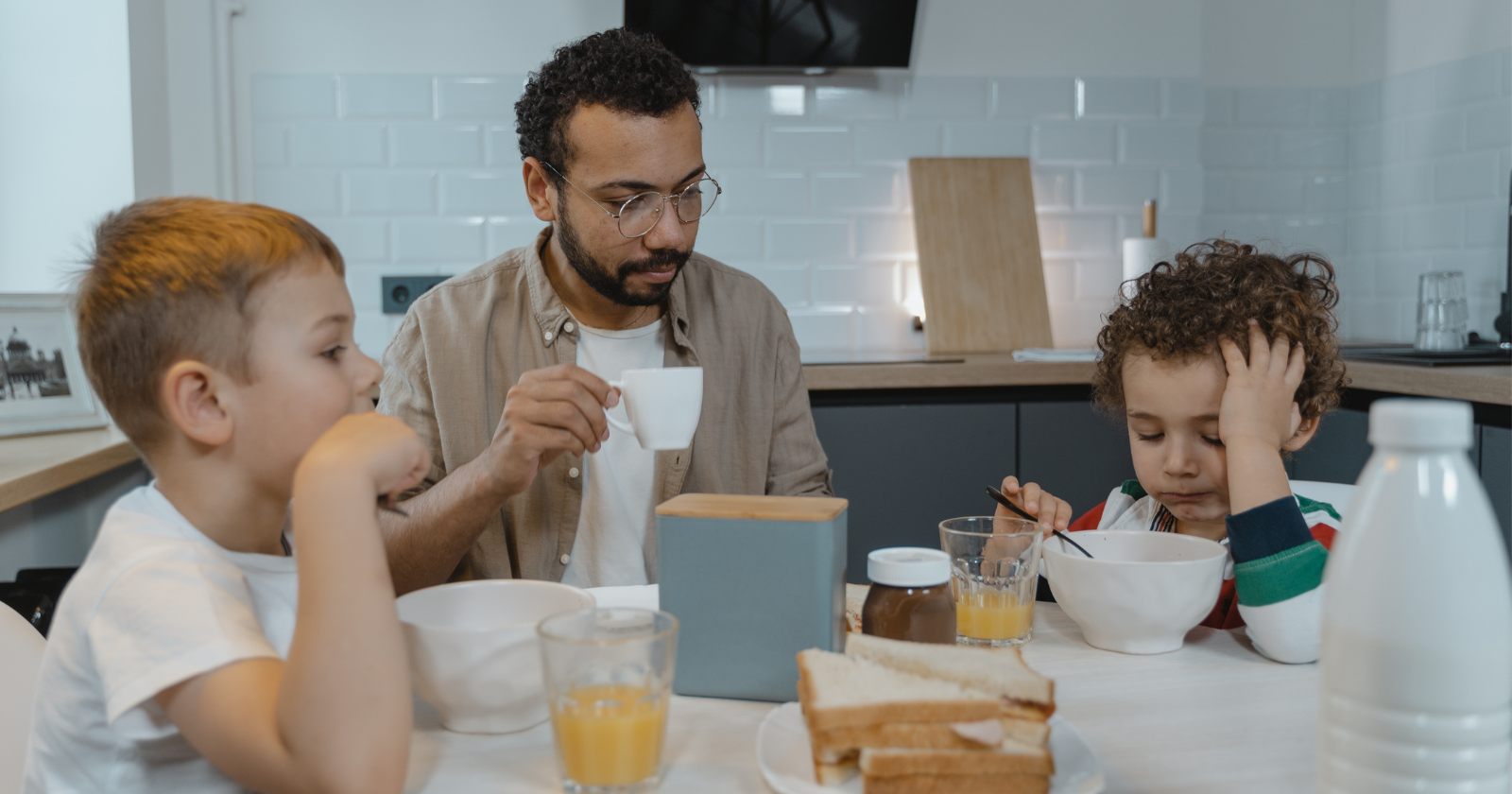
Remember when our biggest parenting tech concern was limiting Saturday morning cartoons?
My mom’s version of screen time management was telling us Teenage Mutant Ninja Turtles was over and to go play outside. Now I’m fielding notifications about my daughter’s reading app usage before I’ve even poured my morning coffee.
The exhaustion hitting today’s parents isn’t from the actual parenting. Kids haven’t fundamentally changed since the ’90s. What’s changed is the constant surveillance, the endless documentation, the perpetual judgment from strangers who think they know better because they saw a 30-second snippet of your life.
We’re not just raising kids anymore. We’re performing parenthood for an invisible audience that never sleeps.
1) Digital documentation of every milestone (or lack thereof)
In 1993, if your kid took their first steps and you missed it, you just asked grandma to describe it over the phone. Today? The pressure to capture, curate, and share every moment starts before breakfast.
I watched a mom at the park last week trying to recreate her son’s “first” slide down experience because she wasn’t recording the actual first time. The kid was confused, she was frustrated, and I just kept thinking about how my parents have maybe twelve photos of my entire third year of life. And you know what? I turned out fine.
The surveillance isn’t just about sharing the highlights either. It’s the apps tracking developmental milestones, comparing your kid to “normal” ranges, sending you alerts that your 24-month-old should know 50 words by now. My mom never counted my vocabulary. She just knew I could ask for juice and tell on my brother.
2) Defending your screen time decisions to everyone
Parents in the ’90s turned on PBS without creating a family media plan or justifying their choices to anyone. Now before 8 AM, I’ve already navigated screen time guilt from three different directions.
There’s the pediatrician’s recommendation taped to my fridge, the parenting group discussing the latest study on tablets and attention spans, and my mother-in-law’s comments about how “we didn’t need screens to entertain you kids.” Meanwhile, my two-year-old is having a meltdown because his sister got five extra minutes of her reading app for good behavior at preschool.
The surveillance here runs deep. Other parents watch and judge whether you hand over your phone at restaurants. Teachers send home notes about “concerns” if your kindergartener mentions YouTube. But those same critics disappear when you’re trying to cook dinner and your toddler is climbing the counters.
3) Proving your food choices are good enough
My mom packed my lunch in about 45 seconds flat: sandwich, apple, cookies, done. She never photographed it, never worried if other moms would judge the non-organic juice box, never had to defend why she wasn’t doing bento boxes with vegetables cut into flower shapes.
Related Stories from The Artful Parent
- I finally understand why my father never talked about his accomplishments — it wasn’t because he lacked pride, it was because his generation understood that character doesn’t need an audience
- I’ve been married for thirty-six years and if you asked me whether I’m happy I’d say yes — but if you asked me when I last felt anything other than responsible, I couldn’t tell you
- I’m 63 and my marriage wasn’t unhappy, it was just ok — and now that my husband is gone I realize I spent thirty-six years wondering what it would feel like to be with someone who actually asked me what I was thinking instead of assuming silence meant contentment
This morning alone, I questioned whether the strawberries were organic enough, if the bread had too much sugar, whether sending goldfish crackers would mark me as “that mom.” The mental load of food surveillance is crushing. Every snack becomes a statement about what kind of parent you are.
And heaven forbid you post a picture with a branded snack visible in the background. The food police emerge from nowhere, ready to educate you about dyes, preservatives, and whatever study just came out linking graham crackers to behavioral issues.
4) Managing the digital footprint you’re creating for your kids
Parents in the ’90s never had to consider whether posting bath photos would embarrass their teenager in 2010. They didn’t worry about facial recognition technology cataloging their baby’s features or predators saving playground pictures.
Before my coffee’s even cool, I’m making decisions about what’s shareable, what’s private, which relatives can post photos, whether to blur faces, use initials, or skip sharing altogether. Then comes the guilt when grandparents complain they never see pictures, while I’m trying to protect my kids’ future digital privacy.
The surveillance culture has turned us into our children’s first privacy violators, documenting their lives before they can consent, all while being watched and judged for how much or how little we share.
5) Activity sign-ups and the comparison trap
In 1992, you signed up for soccer at the community center with a paper form. Today, I’m battling registration websites at 6 AM, competing with hundreds of other parents for limited spots, all while social media shows me everyone else’s kids already thriving in activities mine haven’t even tried yet.
- 7 types of comments that matter (and why most bloggers ignore them) - The Blog Herald
- The loneliest realization for bloggers isn’t that nobody reads their work — it’s discovering they chose a niche where even excellent content can’t overcome structural problems like low search intent, no monetization pathways, or audiences that don’t form communities - The Blog Herald
- Still not sure what public relations does all day? The answer is more interesting now - The Blog Herald
The pressure to provide enrichment starts early. Is your three-year-old in music class? Swimming? Art? The surveillance of who’s doing what creates this exhausting race where falling behind feels like failing, even though our parents’ generation just let us run around the backyard until dinner.
Working on not comparing my journey to those Instagram-perfect families is daily work, especially when every activity becomes a photo opportunity for other parents to showcase their kids’ achievements.
6) Constant safety recalls and product alerts
My parents bought a crib, assembled it, and called it good. This morning, I’ve already checked three recall websites, verified our car seat hasn’t been flagged, and worried whether that secondhand toy from the neighbor might have lead paint.
The information overwhelm is paralyzing. Every product comes with warnings, reviews, safety ratings, and conflicting advice from experts.
The surveillance extends to other parents too, quick to point out if your highchair is the model that was recalled last month or your baby carrier isn’t the “safest” option according to some blog they read.
7) School communication overload before 8 AM
My mom found out about school events from papers crumpled in my backpack. Now I’m managing three different apps, two email threads, a WhatsApp group, and a Facebook page just to keep track of one kindergartener’s activities.
By breakfast, I’ve responded to the room parent about Friday’s celebration, signed up for volunteer slots, acknowledged the principal’s newsletter, and somehow still missed the memo about wearing red on Thursday. The constant connectivity means there’s no excuse for not knowing, not participating, not being engaged enough.
8) Defending your parenting style to strangers online
Parents in the ’90s faced judgment from maybe their mother-in-law and the neighbor. Today, mention that you co-sleep, formula feed, or let your kids play outside alone, and suddenly hundreds of strangers are explaining why you’re ruining your children.
The surveillance is relentless. Every choice becomes public fodder for debate. Sometimes I feel isolated in my natural parenting choices, caught between conventional parents who think I’m extreme and crunchier parents who think I’m not doing enough.
Seven years teaching kindergarten taught me kids are resilient, but apparently, that experience means nothing to commenters who’ve decided I’m doing it all wrong.
The real exhaustion
The tiredness we feel isn’t from the beautiful, messy work of raising children. It’s from performing parenthood under constant surveillance, from defending every choice, from the mental load of managing everyone else’s opinions about our families.
My parents worried about keeping us fed, safe, and loved. We worry about those things too, but we also carry the weight of documenting it all, justifying our choices to strangers, and navigating technology that tracks, measures, and judges every move we make.
Maybe it’s time to admit that the village it takes to raise a child has become a surveillance state. And maybe, just maybe, we need to start closing the curtains, turning off the notifications, and trusting that our kids will be okay even if nobody’s watching us raise them.
The truth? Our parents weren’t better or worse at this job. They just got to do it without an audience. And honestly? That sounds like freedom.
