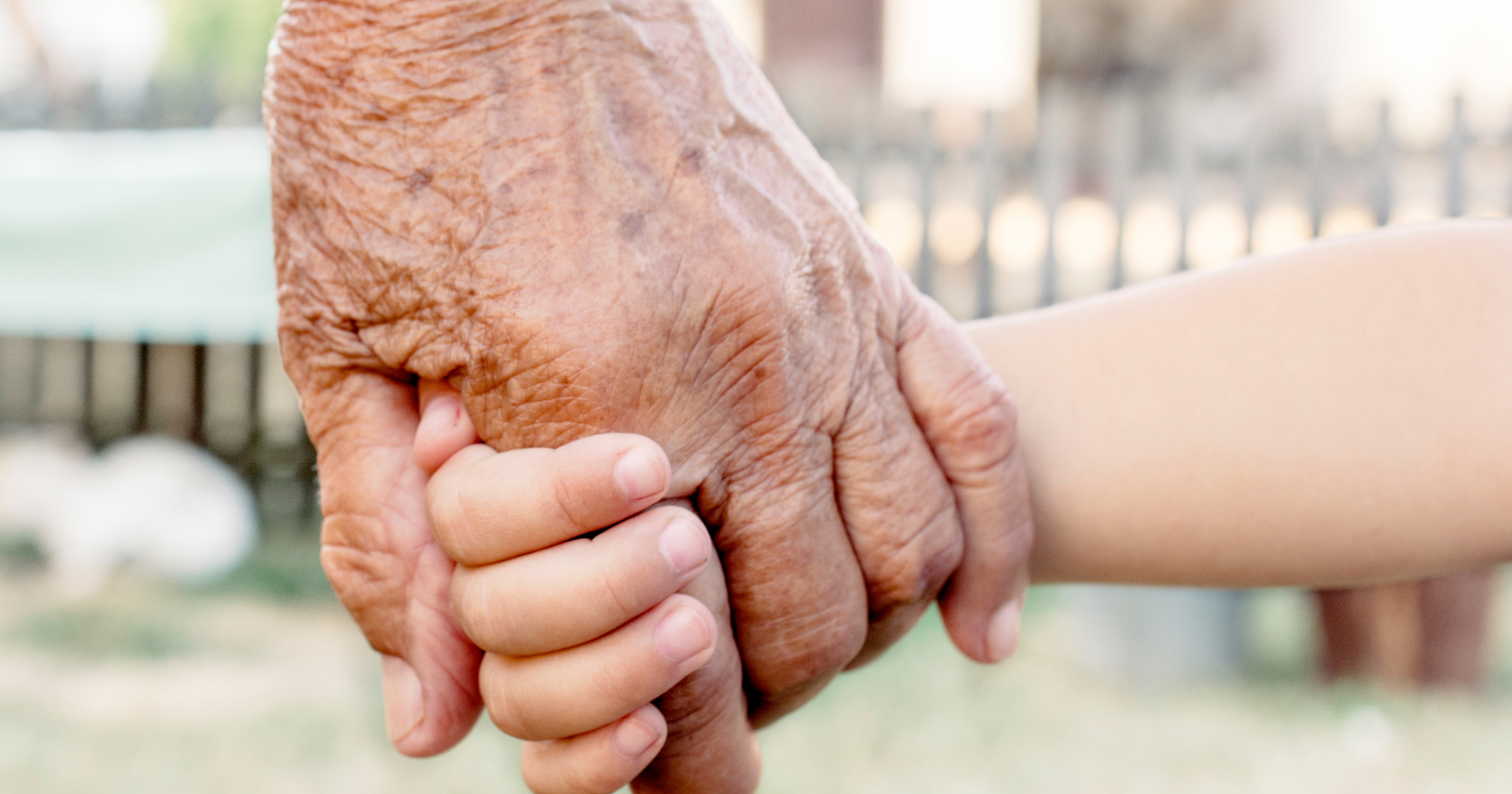
When someone loses a grandparent, well-meaning friends often say things like “At least they lived a long life” or “It was their time.” While these comments come from a place of kindness, they miss something profound about the grandparent-grandchild relationship.
I learned this the hard way when my father passed away when I was in my forties. Even though I was a grown man with kids of my own, the grief knocked me sideways in ways I never saw coming. It wasn’t just losing a parent; it was losing this entire constellation of connections I’d taken for granted.
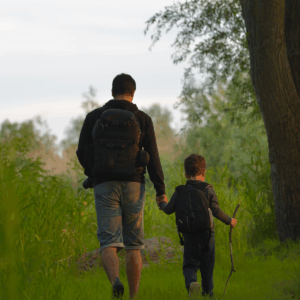
Now, as a grandfather myself with four grandchildren ranging from three to eleven, I see these bonds from the other side. Every weekend when I take the local ones to the park, I’m reminded of just how unique and irreplaceable these relationships are.
Psychology backs up what many of us feel in our hearts: losing a grandparent often hits harder than society acknowledges. Here are nine reasons why these losses carry such unexpected weight.
1) They were your first glimpse of unconditional love without the pressure
Think about it: parents have to discipline you, set boundaries, worry about your future. Grandparents? They get to be your pure cheerleaders.
When I watch my own grandchildren, I realize I can offer them something their parents can’t: love without the daily stress of raising them. I’m not worried about homework or screen time limits. I’m just present, enjoying who they are right now.
Research shows that this type of relationship creates a unique psychological safe space. When you lose a grandparent, you’re losing someone who saw you through a lens of pure affection, untainted by the responsibilities of primary caregiving.
2) They connected you to history in a way no textbook ever could
Your grandparents weren’t just family members; they were living bridges to eras you’d never experience firsthand. Their stories made history personal.
My father used to tell stories about the Depression that made those black and white photos come alive. When he died, I didn’t just lose him. I lost all those untold stories, the ones I kept meaning to ask about but never did.
Psychologists call this “generational consciousness,” and losing it can feel like having a piece of your identity’s foundation suddenly vanish.
3) They often served as emotional buffers in family conflicts
How many times did grandparents smooth things over between you and your parents? They had this magical ability to see both sides while gently nudging toward reconciliation.
Related Stories from The Artful Parent
- Nobody talks about why working-class fathers always backed into parking spaces and parallel parked on the first try — it wasn’t showing off, it was the one physical skill they could perform in public that made their children think they were invincible
- 9 signs a grandparent has become the emotional anchor of the entire family—even if no one says it out loud
- 7 reasons some older parents have adult children who call every day—while others barely hear from theirs
I find myself playing this role now with my sons and their kids. When tensions rise, grandparents often provide that neutral ground, that safe harbor. Losing them means losing a crucial family mediator who had everyone’s best interests at heart.
4) The grief gets complicated by your parents’ grief
Here’s something people rarely talk about: when you lose a grandparent, you’re simultaneously dealing with your own loss while watching your parent lose their mother or father.
When my dad died, I was grieving two losses: my father and the version of my mother I’d always known. Seeing your parent vulnerable and heartbroken adds layers to your own grief that psychology calls “compound mourning.”
5) They represented a simpler time in your life
Remember summer visits to grandparents’ houses? The specific smell of their home, the special treats they kept just for you, the way time seemed to slow down there?
Grandparents often symbolize childhood itself. When they pass, you’re not just mourning them; you’re mourning the final closing of a chapter of innocence and simplicity that you can never return to.
6) Society doesn’t give you permission to grieve deeply
When you lose a parent or sibling, people understand if you need time off work, if you’re not yourself for months. But grandparents? Society often expects you to bounce back quickly.
- I planned an elaborate retirement party for myself at 64 and twenty-three people showed up and by the end of the night I understood that all those friendships were actually just long-term professional relationships that ended when the meetings stopped - Global English Editing
- Psychology says the happiest people over 70 don’t actually ‘stay young’ – they’ve learned to stop measuring their worth against a version of themselves that no longer exists - Global English Editing
- My father used to be the most interesting man in any room—now he’s 78 and corners anyone who’ll listen with the same five stories, and the exhausting part is watching someone you admired become someone people quietly avoid - Global English Editing
This minimization of grief can make the mourning process harder. Psychology research shows that “disenfranchised grief” (grief that isn’t socially recognized) can actually intensify and prolong the mourning process.
7) They were often your first experience with mortality
For many of us, grandparents are the first significant people in our lives to die. This makes their loss a double whammy: you’re grieving them while also grappling with the reality that people you love will die.
Three years ago, I lost my closest friend to cancer. But even that devastating loss was somehow prepared for by losing my father years earlier. That first major loss shapes how we process death for the rest of our lives.
8) The relationship was free from the complications of adult relationships
Unlike relationships with parents, spouses, or friends, the grandparent bond rarely carries baggage. There are no old arguments, no competition, no complicated dynamics.
When I’m at the park with my grandkids, our relationship is beautifully uncomplicated. We’re just enjoying each other’s company. Losing this type of pure, agenda-free relationship leaves a specific shaped hole that’s hard to fill.
9) You lose a unique source of wisdom and perspective
Grandparents had this way of putting life’s problems in perspective. They’d lived through enough to know what really mattered and what was just noise.
Being present at my first grandchild’s birth reminded me of this truth. In that moment, all the daily stresses and worries just evaporated. Grandparents carry this perspective naturally, having lived long enough to separate the wheat from the chaff.
When you lose them, you lose access to that long-view wisdom that only comes from decades of living.
Closing thoughts
If you’re grieving a grandparent and feeling like the loss is hitting you harder than you expected, know that your feelings are valid. These relationships are psychologically unique, historically irreplaceable, and emotionally profound.
The next time someone minimizes this type of loss with well-meaning but dismissive comments, remember that the bonds between grandparents and grandchildren are unlike any other relationship we’ll have in our lives.
So here’s my question for you: what story from your grandparent do you wish you’d asked more about?