
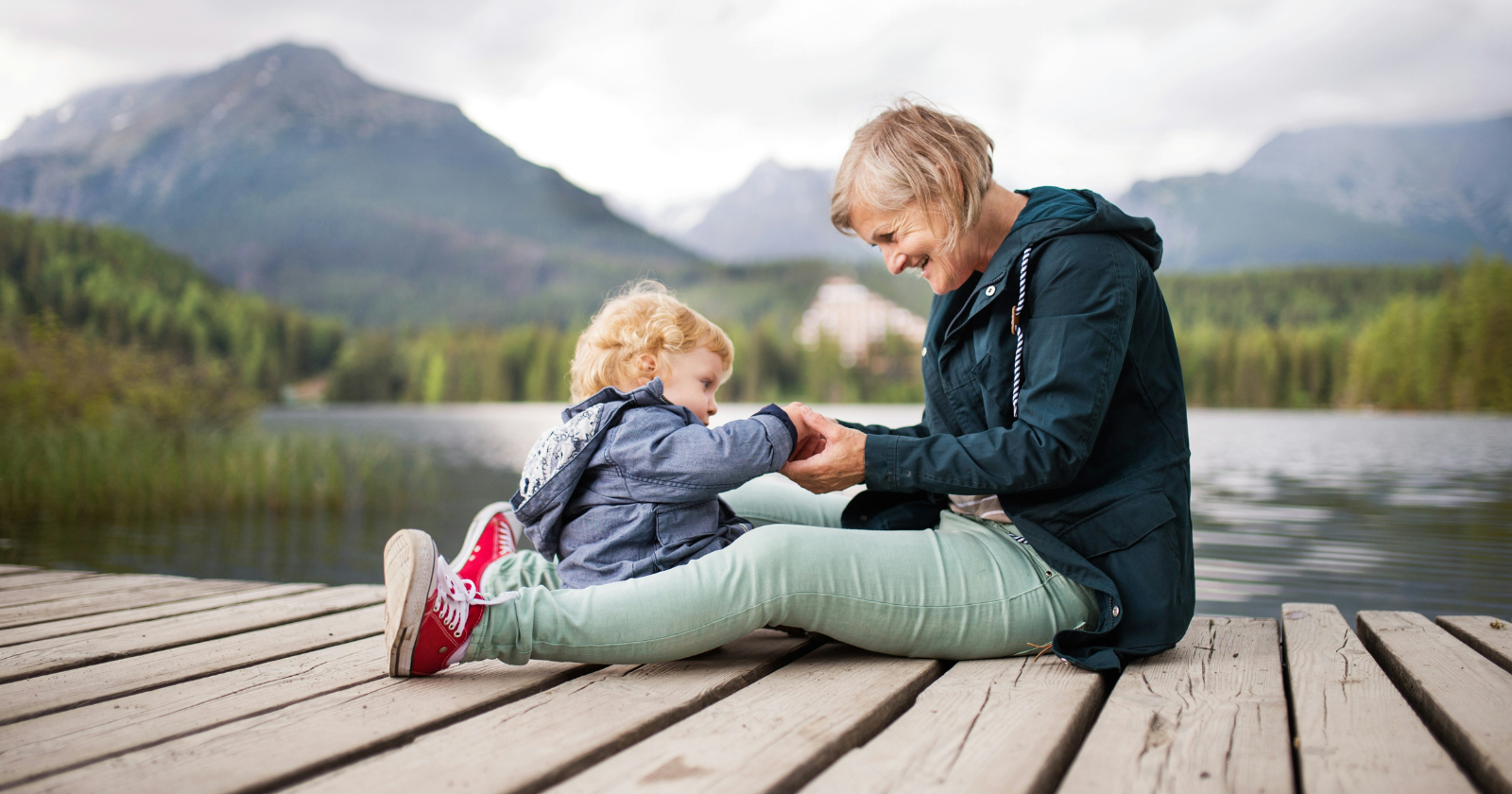
Last week, I walked into my mother-in-law’s house and was instantly transported by the smell of cinnamon rolls rising in her oven. My five-year-old immediately ran to the kitchen, not asking about the new toys Grandma might have bought, but wondering if she’d made her special “twisty bread” again.
That’s when it hit me: decades from now, my kids won’t remember the price tags on their birthday presents. They’ll remember the flour on Grandma’s apron, the way she always hummed while cooking, and how she’d greet them at the door with “There’s my sunshine!”
Think about your own grandparents for a moment. What comes to mind first? The expensive gifts they gave you, or something else entirely?
The power of everyday rituals
My grandmother didn’t have much money, but she had a garden that seemed magical to my childhood eyes. Every visit meant walking through rows of tomatoes and beans, her weathered hands showing me which ones were ready to pick. She’d send me home with a paper bag full of vegetables, always saying the same thing: “Fresh food makes strong bones.”
I can still smell the earth on those carrots.
These simple, repeated experiences become the architecture of memory. When I bake bread twice a week with my kids, I’m not thinking about creating memories. I’m just trying to get dinner on the table.
But watching my daughter carefully measure flour while my two-year-old “helps” by sneaking tastes of dough, I realize these ordinary Tuesday afternoons are writing themselves into their childhood stories.
What rituals filled your grandparents’ homes? The coffee always brewing? The crossword puzzle half-finished on the kitchen table? These patterns matter more than we realize.
Why presence beats presents every time
Here’s something I’ve noticed at birthday parties lately: kids rip through presents in minutes, barely registering what they’ve received before moving to the next shiny package. But mention Grandpa’s silly magic tricks or Grandma’s made-up bedtime stories, and their faces light up completely differently.
My mother was a homemaker who made everything from scratch. We didn’t have much money growing up, but our house always smelled like something wonderful cooking. She was anxious about many things, but in the kitchen, she found her calm. I learned more watching her knead bread than from any expensive educational toy she could have bought me.
Now I watch my husband continue this tradition with our Saturday morning pancakes. The kids don’t care that it’s just flour, eggs, and milk. They care that Daddy lets them flip the pancakes (badly) and that he makes silly faces with the blueberries.
Twenty years from now, they won’t remember what these pancakes cost. They’ll remember the ritual, the laughter, the sticky syrup fingers.
The scent memories that last a lifetime
Scientists tell us that smell is the sense most strongly linked to memory. I believe it. My grandmother’s house smelled like lavender soap and strong coffee. Even now, catching that combination at a farmer’s market stops me in my tracks.
What scents filled your grandparents’ homes? Was it pipe tobacco? Lemon furniture polish? That particular brand of hand cream?
I think about this when I’m in my own kitchen. What smell memories am I creating? The yeast and flour from our bread-baking sessions? The cinnamon I sprinkle on morning oatmeal? My kids already associate certain smells with comfort and home.
My daughter recently told me her friend’s house “doesn’t smell right” because it doesn’t smell like baking bread.
These aren’t things we can plan or purchase. They emerge from daily life, from the choices we make about how we spend our time.
Words that echo through generations
My grandmother had phrases she repeated so often they became family legend. “Pretty is as pretty does.” “Waste not, want not.” “You catch more flies with honey than vinegar.” I rolled my eyes as a teenager, but now I hear myself saying these same things to my children.
What did your grandparents always say? Those repeated phrases become part of our internal dialogue, shaping how we see the world long after the speakers are gone.
I’m trying to be mindful of my own repeated phrases. When my kids leave for school, I always say, “Make good choices and be kind.” When they’re frustrated, I ask, “What’s one thing we can try?” These might seem like small things, but they’re building blocks of identity.
My mother-in-law greets the kids the same way every time: “There’s my sunshine!” They beam every single time, never tired of this predictable welcome. That consistency, that reliable warmth, matters more than any elaborate greeting could.
The gift of undivided attention
Here’s what I remember most about visiting my grandparents: they acted like my arrival was the best thing that happened all week. No phones to check, no emails to answer. Just complete attention.
This feels harder now. I’m constantly fighting the pull of my phone, the mental to-do list, the next thing that needs doing. But when I manage to give my kids that same undivided attention my grandparents gave me, magic happens. They open up. They share their weird theories about dinosaurs. They show me the “very important” stick they found.
When grandparents visit now, I watch this same dynamic. My kids save their biggest stories, their proudest achievements, their secret worries for these moments of complete attention. Not because Grandma and Grandpa bring the best presents, but because they bring presence.
Teaching through doing, not buying
My fondest memories with grandparents involve doing things together. Helping in the garden. Learning to sew on a button. Making pie crust from scratch. These weren’t expensive activities, but they were invaluable.
I keep our kitchen stocked with simple supplies: bananas, apples, crackers for snacks. Nothing fancy. But it’s always available, always ready for little hands to help prepare. My daughter loves to slice bananas for her brother, feeling helpful and capable. These moments of working together, of learning by doing, stick with us far longer than any toy could.
What skills did your grandparents pass down through patient teaching? Maybe it was fishing, or knitting, or the perfect way to season cast iron. These lessons become part of who we are.
Creating a legacy that really matters
As I write this, my kids are playing with cardboard boxes in the living room, ignoring the expensive toys scattered nearby. They’re pretending the boxes are boats, using wooden spoons as oars. Their grandmother is visiting, and instead of shopping for new toys, she’s joined their game, becoming a sea monster who threatens their cardboard vessel.
They’ll remember this. Not because it’s extraordinary, but because it’s real.
The truth is, our children and grandchildren don’t need us to spend more. They need us to be present. They need the comfort of routine, the security of repeated phrases, the sensory memories that will carry them through life. They need the smell of our homes, the taste of our signature dishes, the feeling of being truly seen and welcomed.
Your legacy isn’t in your bank account. It’s in the small, repeated acts of love that seem insignificant in the moment but become the foundation of a life. The door that always opens with joy. The kitchen that smells like home. The phrases that become internal guides.
What memories are you creating today?
