
Growing up, I watched my friend’s dad do what most fathers did back then. When his son scraped his knee or got upset about something, the response was always the same: “Stop crying. Be a man.”
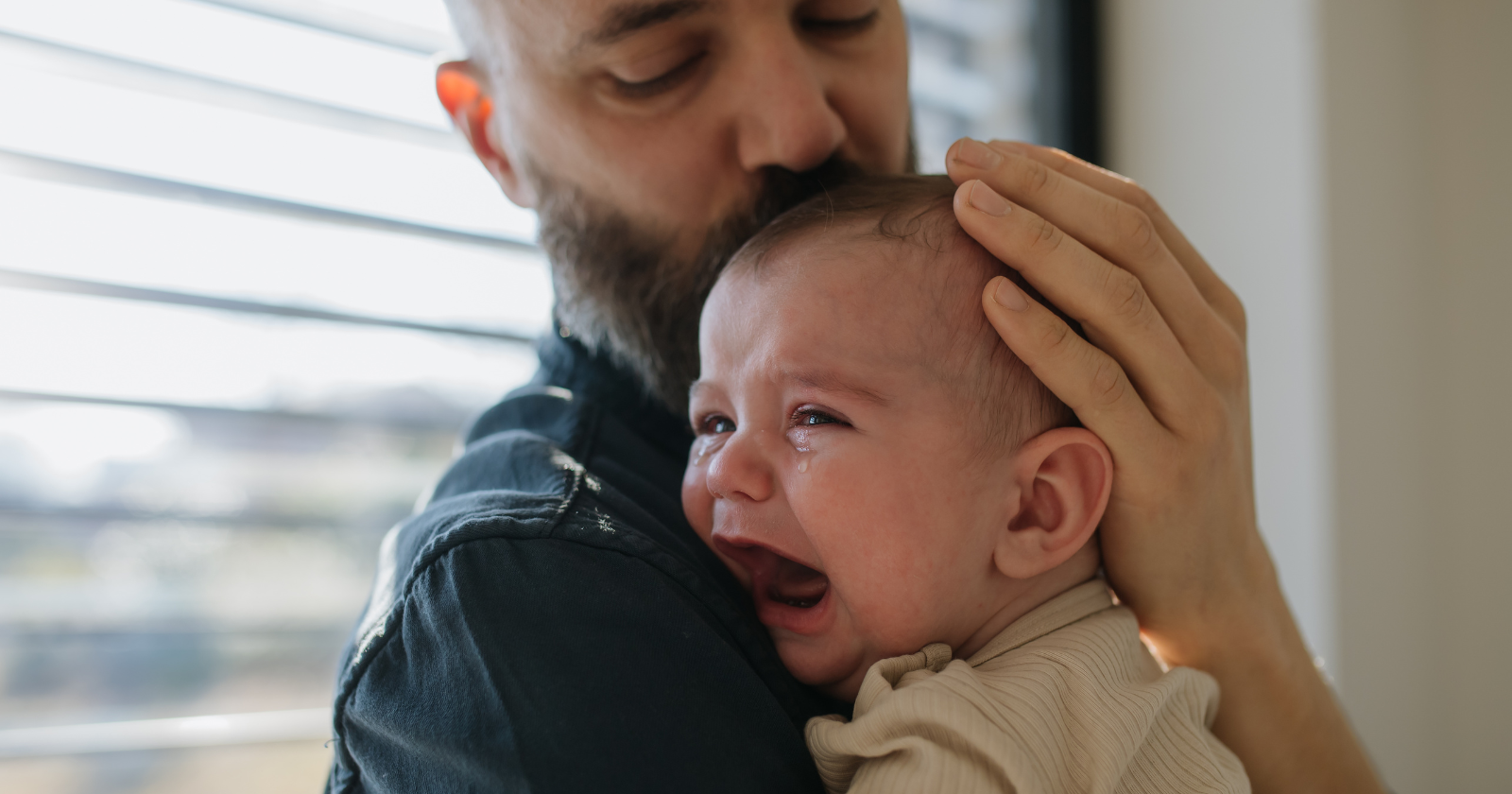
Meanwhile, my neighbor took a completely different approach. When his young son burst into tears, he’d sit down beside him and say, “It’s okay to feel sad. Tell me what’s hurting.”
Twenty years later, guess which one of those kids grew up to have healthier relationships, better emotional regulation, and a stronger sense of self?
The answer might not surprise you, but what’s fascinating is the psychology behind it. When fathers allow their sons to express emotions freely instead of shutting them down with “man up” rhetoric, they’re actually giving them something invaluable: emotional intelligence.
And here’s the kicker – most men spend decades in therapy, self-help seminars, and countless books trying to develop what could have been nurtured from childhood.
1. The gift of emotional awareness
Think about it. How many grown men do you know who can’t identify what they’re feeling beyond “fine” or “angry”?
I used to be one of them. Growing up as the quieter brother, I observed more than I spoke, but even I struggled to name my emotions beyond the basics. It wasn’t until my late twenties that I realized how emotionally illiterate I was.
The father who lets his son cry is teaching him emotional vocabulary. He’s showing him that sadness, fear, disappointment, and frustration are all distinct emotions with different triggers and solutions. This isn’t coddling – it’s education.
Research from Yale’s Center for Emotional Intelligence shows that children who can identify and express their emotions perform better academically, have stronger relationships, and experience less anxiety and depression. They literally have a competitive advantage in life.
When you tell a boy to “man up,” you’re essentially telling him to shut down his emotional processing system. It’s like teaching someone to drive but telling them to ignore all the dashboard warning lights.
2. Breaking the cycle of disconnection
Recently becoming a father to a baby daughter has completely shifted my perspective on this. While she’s teaching me more about presence and letting go than any meditation retreat ever did, she’s also made me reflect on the emotional inheritance we pass down.
Related Stories from The Artful Parent
- Psychology explains people who look significantly younger than their actual age in their 60s aren’t just genetically lucky — they display these 9 behavioral patterns that most people abandon sometime in their 40s without even noticing
- Research says people who push their chair back in when they leave a table usually display these 9 unique personality traits
- Most people don’t realize that childless adults over 65 are the fastest-growing demographic in assisted living facilities, not because they’re sicker or more fragile, but because they reach the threshold of needing daily help without a built-in person who feels obligated to provide it at home
In my book “Hidden Secrets of Buddhism: How To Live With Maximum Impact and Minimum Ego,” I explore how attachment to rigid identities creates suffering. The “tough guy” identity that many fathers impose on their sons is exactly this kind of rigid attachment.
Fathers who validate their sons’ emotions are essentially teaching them that vulnerability is strength. They’re showing them that hiding emotions creates distance, while expressing them builds connection.
I see this pattern everywhere now. The men who struggle most in relationships are often those who learned early that showing emotion equals weakness. They spend years unlearning this programming, often at the cost of failed relationships and missed connections.
3. The neuroscience of emotional validation
Here’s where it gets really interesting from a psychology standpoint.
When a child expresses emotion and receives validation, their brain literally develops differently. The prefrontal cortex, responsible for emotional regulation and decision-making, strengthens its connections. The amygdala, our fear center, learns to calm down more quickly.
But when emotions are consistently shut down? The opposite happens. The amygdala stays hyperactive, the prefrontal cortex struggles to develop proper regulatory pathways, and the child grows up with a dysregulated nervous system.
- Research suggests the reason some people can live the same day on repeat for years without distress while others feel like they’re suffocating isn’t personality. It’s whether the routine was chosen deliberately or inherited by default, because the brain processes voluntary repetition as ritual and involuntary repetition as captivity. - Global English Editing
- Life isn’t a series of random events but a chess game where every move matters - Global English Editing
- Nobody tells you that the real threat to a long relationship isn’t the dramatic betrayal. It’s the Wednesday afternoon coffee where someone at work asks how you’re really doing and you actually answer honestly for the first time in months. - Global English Editing
This isn’t speculation. Brain imaging studies show clear differences between adults who experienced emotional validation in childhood versus those who didn’t. The validated group shows better stress response, stronger executive function, and healthier relationship patterns.
What’s wild is that many men pay thousands of dollars for therapy to develop what could have been built naturally through childhood emotional validation.
4. The masculinity paradox
Here’s the irony that kills me: The very traits that “man up” culture tries to instill – strength, resilience, leadership – are actually undermined by emotional suppression.
Real strength comes from understanding and managing your emotions, not denying them. Real resilience comes from processing difficult feelings, not pushing them down until they explode. Real leadership requires empathy and emotional intelligence, not stoicism.
Studies from Harvard Business School show that emotionally intelligent leaders outperform their peers by 20% on average. These aren’t soft skills anymore – they’re survival skills in the modern world.
The father who comforts his crying son isn’t raising a “weak” man. He’s raising a man who will know how to comfort his own children, communicate with his partner, and navigate the complex emotional landscape of adult life.
5. The ripple effect on relationships
Want to know why so many relationships fail? Look at how boys are taught to handle emotions.
When you’re raised to believe that emotions are weakness, you develop coping mechanisms that destroy intimacy. You shut down during conflicts. You can’t articulate your needs. You mistake vulnerability for danger.
I’ve seen this pattern repeat itself countless times. Men who were told to “man up” as boys become adults who can’t say “I’m scared” or “I’m hurt” to their partners. They turn sadness into anger because anger feels more acceptable. They withdraw when they should engage.
The son who was allowed to cry grows up understanding that emotions are information, not enemies. He can tell his partner when he’s struggling. He can model emotional intelligence for his own children. He breaks the cycle.
6. Rewriting the script
If you’re reading this and recognizing yourself in the “man up” generation, don’t despair. The brain’s neuroplasticity means it’s never too late to develop emotional intelligence.
Start by expanding your emotional vocabulary. When you feel something, try to name it specifically. Not just “bad” but disappointed, frustrated, anxious, or lonely.
Practice sitting with uncomfortable emotions instead of immediately trying to fix or suppress them. In “Hidden Secrets of Buddhism: How To Live With Maximum Impact and Minimum Ego,” I discuss how mindfulness meditation can help us observe our emotions without being controlled by them.
Most importantly, if you’re a father or planning to be one, remember that every time you validate your child’s emotions, you’re giving them a tool they’ll use for the rest of their lives.
Final words
The father who lets his son cry instead of telling him to “man up” is giving him emotional intelligence – the ability to recognize, understand, and manage emotions effectively.
This isn’t just some feel-good concept. It’s a fundamental life skill that affects everything from career success to relationship satisfaction to mental health.
While many men spend decades trying to undo the emotional suppression they learned in childhood, the next generation doesn’t have to follow the same path. Every father who chooses compassion over criticism, validation over dismissal, is literally rewiring the future.
The strongest thing a man can do isn’t to hide his tears. It’s to understand why they fall and what they’re trying to tell him.
That’s the gift that keeps on giving.