
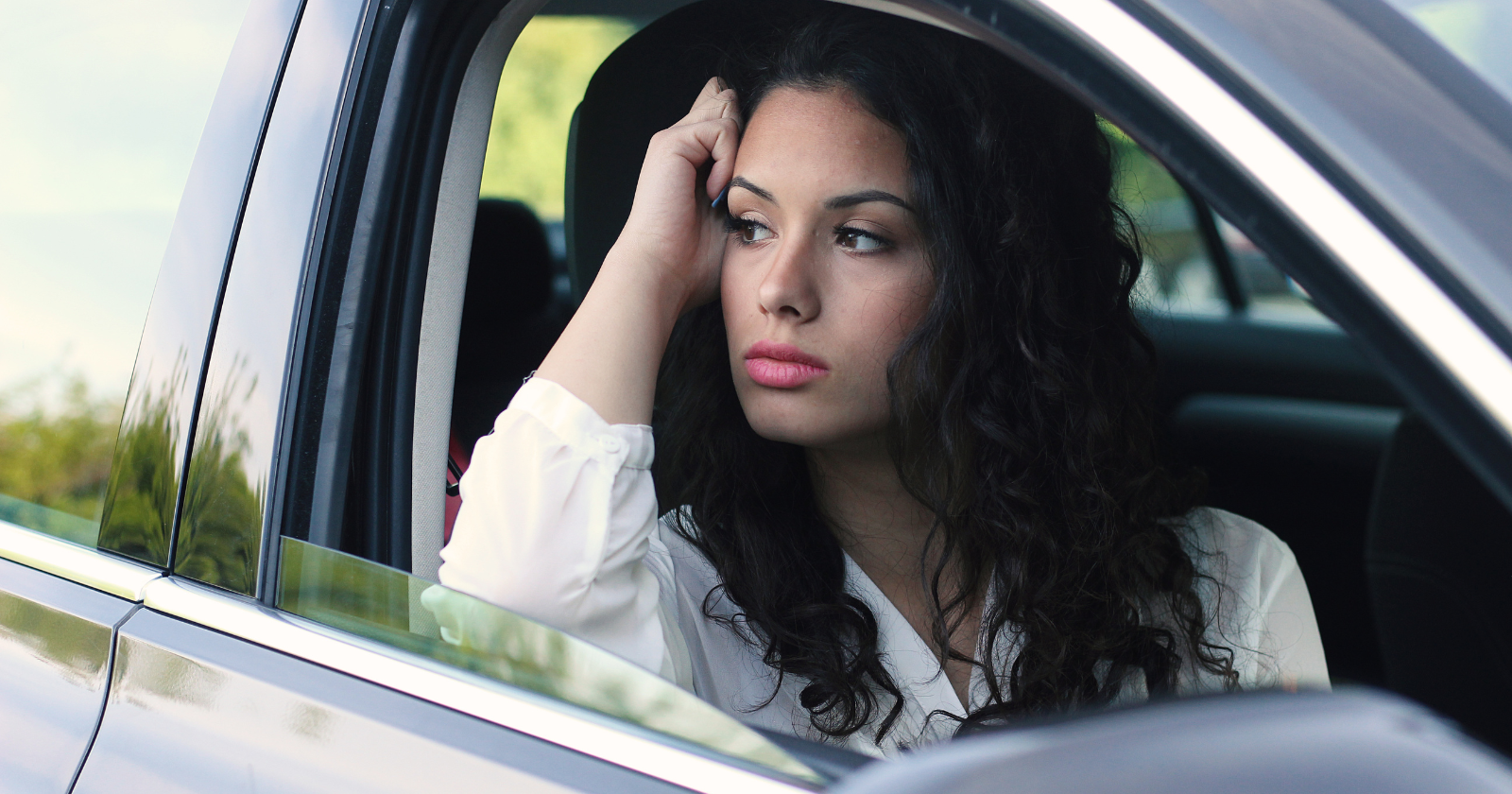
You know that moment when you pull into your driveway after a long day, and the weight of everything just sits on your chest? The steering wheel feels warm under your hands, the engine ticks as it cools, and through the windshield you can see the glow of your kitchen lights, maybe shadows moving past the windows. But you don’t move. Not yet.
Last week, I watched my neighbor do exactly this. She sat in her car for what seemed like five full minutes before finally gathering her things and heading inside. And I thought about all the times I’ve done the same thing, stealing those precious moments of quiet before diving back into the beautiful chaos of family life.
Here’s what most people don’t understand: those five minutes aren’t selfish. They’re not dramatic. They’re actually one of the most loving things we can do for our kids.
The science behind the pause
When we take time to reset ourselves before walking through that door, we’re engaging in what psychologists call “emotional regulation.” It’s the process of managing our own emotional state so we can show up as the parent our children need, not the stressed-out version they sometimes get.
Think about it. How many times have you snapped at your kids not because they did something wrong, but because you were carrying stress from work, traffic, or that frustrating phone call you just had? I’ve lost count of the times my little ones have caught the sharp edge of my exhaustion when what they really needed was connection.
Research shows that children are incredibly attuned to their parents’ emotional states. They pick up on our stress like little emotional sponges, absorbing tension even when we think we’re hiding it well. When we take those five minutes to breathe, to let go of the day’s frustrations, we’re protecting them from secondhand stress that isn’t theirs to carry.
Breaking the cycle of emotional dumping
Have you ever noticed how emotions tend to roll downhill in families? The boss yells at dad, dad comes home frustrated and snaps at mom, mom gets short with the kids, and suddenly everyone’s evening is ruined by something that started in a boardroom miles away.
Those five minutes in the car? They’re a circuit breaker.
I learned this lesson the hard way. There was a period when work stress was bleeding into every corner of my life. One evening, after a particularly rough day, I walked straight from the car into the house and immediately started venting about dishes in the sink and toys on the floor. My daughter’s face crumpled, and she whispered, “I was trying to surprise you with a picture I made.”
The picture was right there on the counter, next to those dishes I’d complained about. A rainbow with “I love you Mommy” in wobbly letters. That moment taught me something profound about the power of transition time.
Creating a ritual of presence
What if instead of seeing those five minutes as procrastination or avoidance, we recognized them as preparation? Like an actor taking a breath before stepping on stage, we’re preparing for one of our most important roles.
Related Stories from The Artful Parent
- Psychology says the children most shaped by toxic parenting rarely come from homes that looked broken, they come from homes that looked completely fine, and they spend their adult lives trying to explain a wound that has no obvious source
- There’s a specific kind of exhaustion that comes not from doing too much but from spending decades performing a version of yourself that was designed to make other people comfortable, until one morning you can’t remember what your face does when nobody is watching
- Behavioral scientists found that adults who describe themselves as ‘not creative’ almost always trace it back to a single moment in childhood when someone evaluated what they made instead of asking what it meant
During my car moments, I’ve developed a simple ritual. I take three deep breaths. I remind myself that whatever happened today, my kids didn’t cause it. I think about one thing I’m grateful for about each of them. Sometimes I even smile at myself in the rearview mirror, practicing the face I want them to see when I walk through the door.
Does this sound silly? Maybe. But you know what happened when I started doing this? My kids began running to greet me instead of barely looking up from their activities. The energy I brought into the house literally changed the energy they reflected back.
Teaching emotional intelligence by example
Our children are always watching, always learning. When they see us taking time to manage our emotions, we’re teaching them that feelings are something you can work with, not something that controls you.
Recently, my five-year-old had a meltdown after preschool. As I held her, she suddenly said, “I need to take deep breaths like you do in the car.” She’d been watching me through the window! Now, when she feels overwhelmed, she asks for “quiet time” to reset. She’s learning that taking space isn’t running away; it’s taking care of yourself so you can take care of others.
This is especially important in our always-on culture. We’re raising kids in a world that never stops, where stimulation is constant and quiet is rare. By modeling the practice of pause, we’re giving them permission to do the same.
The ripple effect of a regulated parent
Here’s something fascinating about nervous systems: they sync up. When you’re calm, your children’s nervous systems naturally start to regulate too. It’s called co-regulation, and it’s one of the most powerful tools we have as parents.
- The movable type story and what it still means for creators building on borrowed ground - The Blog Herald
- The case for selling your own ad space as a blogger - The Blog Herald
- Psychology says the reason creative people struggle more than most with ordinary daily routines isn’t lack of discipline — it’s that their nervous system processes interruption as a genuine threat to the fragile mental state that makes the work possible - The Blog Herald
But the opposite is also true. When we bring chaos energy into the house, everyone’s nervous system goes on high alert. Hearts race, voices raise, and suddenly everyone’s in fight-or-flight mode over homework or bedtime.
Those five minutes in the car aren’t just changing your state; they’re setting the emotional temperature for your entire household. You’re literally creating a calmer, safer environment for your children’s developing brains.
I’ve noticed this especially at dinner time. On days when I take my transition time, meals are filled with storytelling and laughter. On days when I rush straight in, still mentally at work, dinner becomes a battleground of negotiations and complaints. Same kids, same food, different energy.
The gift we don’t recognize
So the next time you see a parent sitting in their car for a few extra minutes, or the next time you find yourself needing that pause, remember this: it’s not weakness, it’s wisdom. It’s not selfish, it’s generous. It’s not avoiding your children; it’s preparing to truly see them.
In a world that glorifies busy and praises parents who “do it all,” taking five minutes to breathe might seem like nothing. But for our children, who need us present more than perfect, those five minutes might just be everything.
They’re five minutes that say, “You deserve the best version of me.” Five minutes that teach, “It’s okay to take care of yourself.” Five minutes that demonstrate, “Emotions are manageable, not overwhelming.”
That’s not dramatic. That’s love in its quietest, most powerful form.