
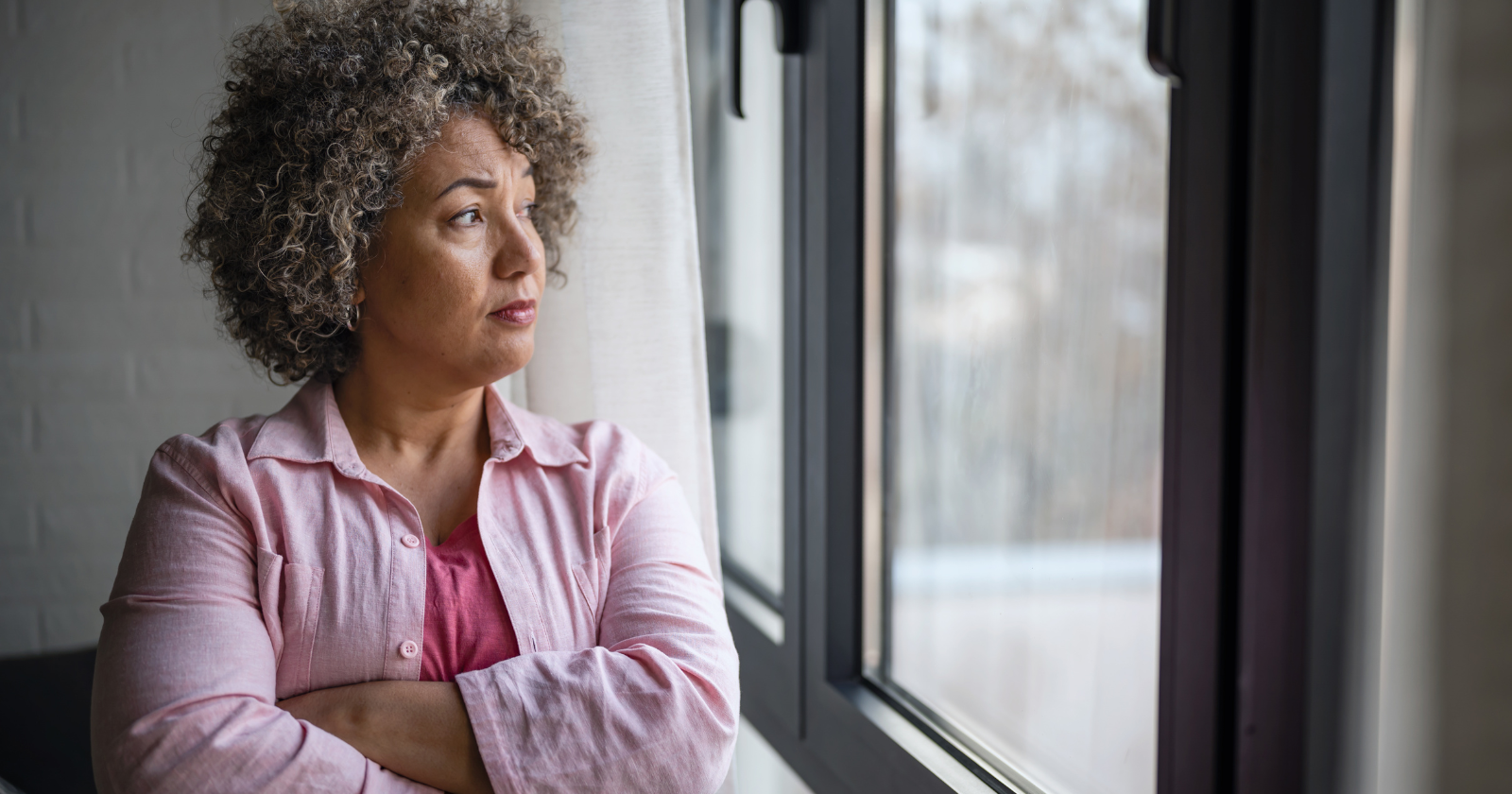
I’m standing at my kitchen sink at 6 AM, hands wrapped around a coffee mug that’s still too hot, watching steam curl up and disappear into the morning light. The house is silent except for the hum of the refrigerator and the tick of the clock on the wall.
This is my time, before little feet pad down the hallway, before anyone needs breakfast or a missing sock found. And lately, in these quiet moments, I’ve been feeling something I didn’t expect: a deep, bone-tired anger that has nothing to do with today and everything to do with three decades of putting myself last.
It catches me off guard sometimes, this rage that bubbles up when I finally have space to breathe. You’d think it would come during the chaos, when everyone needs something at once.
But no. It waits.
It waits until the kids are asleep, until my husband is reading in bed, until I’m alone with my thoughts and suddenly realize I can’t remember the last time I did something just because I wanted to.
The anger that arrives in the quiet
Have you ever noticed how we can go years, even decades, running on autopilot? Wake up, make breakfast, pack lunches, work, dinner, bedtime stories, collapse into bed, repeat. We tell ourselves this is what good mothers do. This is love. This is sacrifice. And it is those things, but somewhere along the way, we forget that we’re people too, not just vessels for everyone else’s needs.
My mother was the same way. She made everything from scratch, kept an immaculate house, never missed a school event. But underneath her perfect exterior was an anxious woman who never learned to say no, who measured her worth by how much she could give. I swore I’d be different, yet here I am at 37, finally understanding the weight she carried.
The anger isn’t really about the daily grind. It’s about realizing you’ve been living someone else’s version of your life. It’s about all those times you said “I don’t mind” when you did mind. It’s about choosing the restaurant everyone else likes, watching the movie everyone else wants to see, using your rare free hour to fold laundry instead of reading that book that’s been on your nightstand for six months.
When martyrdom becomes your identity
“Mom doesn’t need anything for her birthday, just having you all together is enough.” Sound familiar? How many of us have said some version of this? How many times have we deflected when someone tried to do something nice for us, insisting we’re fine, we don’t need anything, please don’t go to any trouble?
I learned this dance from watching my father work long hours while my mother held everything together at home. He was emotionally distant but provided well, and she never complained, never asked for help, never admitted she was drowning. They both played their roles perfectly, and I absorbed every unspoken rule about what it meant to be a good woman, a good mother.
But here’s what I’m learning: when you make yourself small enough, eventually you disappear. And that disappearance doesn’t happen dramatically. It happens in tiny choices, moment by moment, until one day you look in the mirror and can’t recognize the person staring back.
The inheritance we don’t talk about
My journey toward understanding this anger started about a year ago. I was putting away toys after bedtime, and I found myself crying over a pile of blocks. Not because I was sad, but because I was furious. Furious that I couldn’t remember the last time I’d painted, something I used to love. Furious that I’d canceled lunch with a friend three times because someone always needed something. Furious that I felt guilty for being furious.
That night, I started writing in an old notebook, trying to trace the roots of this pattern. What emerged was a map of inherited behaviors: my grandmother’s silent suffering, my mother’s anxious perfectionism, my own desperate need to be needed. Generation after generation of women who believed their value came from how much they could endure.
The really twisted part? We often don’t even recognize it as a problem until our bodies start keeping score. The tension headaches, the jaw clenching, the mysterious back pain that appears whenever we finally sit down. Our bodies know what our minds won’t admit: we’re exhausted from performing a role that was never sustainable.
Breaking the pattern without breaking everything else
So what do we do with this anger when it finally surfaces? First, we stop apologizing for it. Anger is just information, a signal that something needs to change. It doesn’t make you a bad mother or an ungrateful person. It makes you human.
I’ve started small. That 6 AM coffee? That’s sacred time now. No guilt, no productivity, just me and the quiet. I’ve also started saying revolutionary things like “I don’t know, what do you want for dinner?” and “Actually, I’d prefer to go somewhere else.” The sky hasn’t fallen.
My family hasn’t fallen apart. If anything, they seem relieved to see me showing up as a whole person instead of a service provider.
The perfectionism is harder to shake. I still catch myself making elaborate dinners when sandwiches would be fine, still feel the pull to volunteer for every school committee. But I’m learning that “good enough” isn’t lazy or selfish. It’s sustainable. It’s teaching my kids that they don’t have to be perfect to be loved, that their worth isn’t tied to their output.
What our children need to see
Here’s what keeps me going when the guilt creeps in: our kids are watching. They’re learning what it means to be human from how we treat ourselves.
Do we want them to grow up believing that love means self-erasure? That being a good person means having no boundaries? That their needs should always come last?
When I take time for myself now, when I express a preference, when I admit I’m tired and need help, I’m not just caring for myself. I’m modeling what healthy adulthood looks like. I’m showing them that mothers are people, complex and whole, with needs and desires beyond caregiving.
The path forward
The anger doesn’t go away overnight. It comes in waves, especially during those quiet moments when we finally have space to feel it. But each time we acknowledge it, each time we choose differently, we’re rewriting a story that’s been passed down for generations.
Some mornings, I still stand at that kitchen sink, coffee in hand, feeling the weight of all those years of self-abandonment. But now I also feel something else: possibility. The possibility that it’s not too late to reclaim pieces of myself. The possibility that my kids will grow up with a different template. The possibility that love and self-sacrifice aren’t the same thing.
If you’re reading this and feeling that familiar tightness in your chest, that recognition of your own quiet anger, know that you’re not alone. Know that it’s not too late to start choosing yourself, even in small ways. Know that the house won’t fall apart if you stop holding everything together with your bare hands.
The quiet moments will keep coming. The anger might too. But maybe, gradually, they’ll be joined by something else: the sound of a woman remembering who she was before she became everything to everyone, and deciding she’s worth recovering.
