The first time you lie to protect your parent instead of the other way around is a door that opens in one direction — and the 8 things that change in a family after that reversal are invisible to everyone except the person who walked through it
The lie slipped out so easily—telling your mother why dad was late, protecting his secret medical visits—that you don’t realize until the words are already spoken that you’ve become your parents’ guardian instead of their child.

The most important thing my kids will remember about their childhood has nothing to do with how clean the house was or how many activities they did
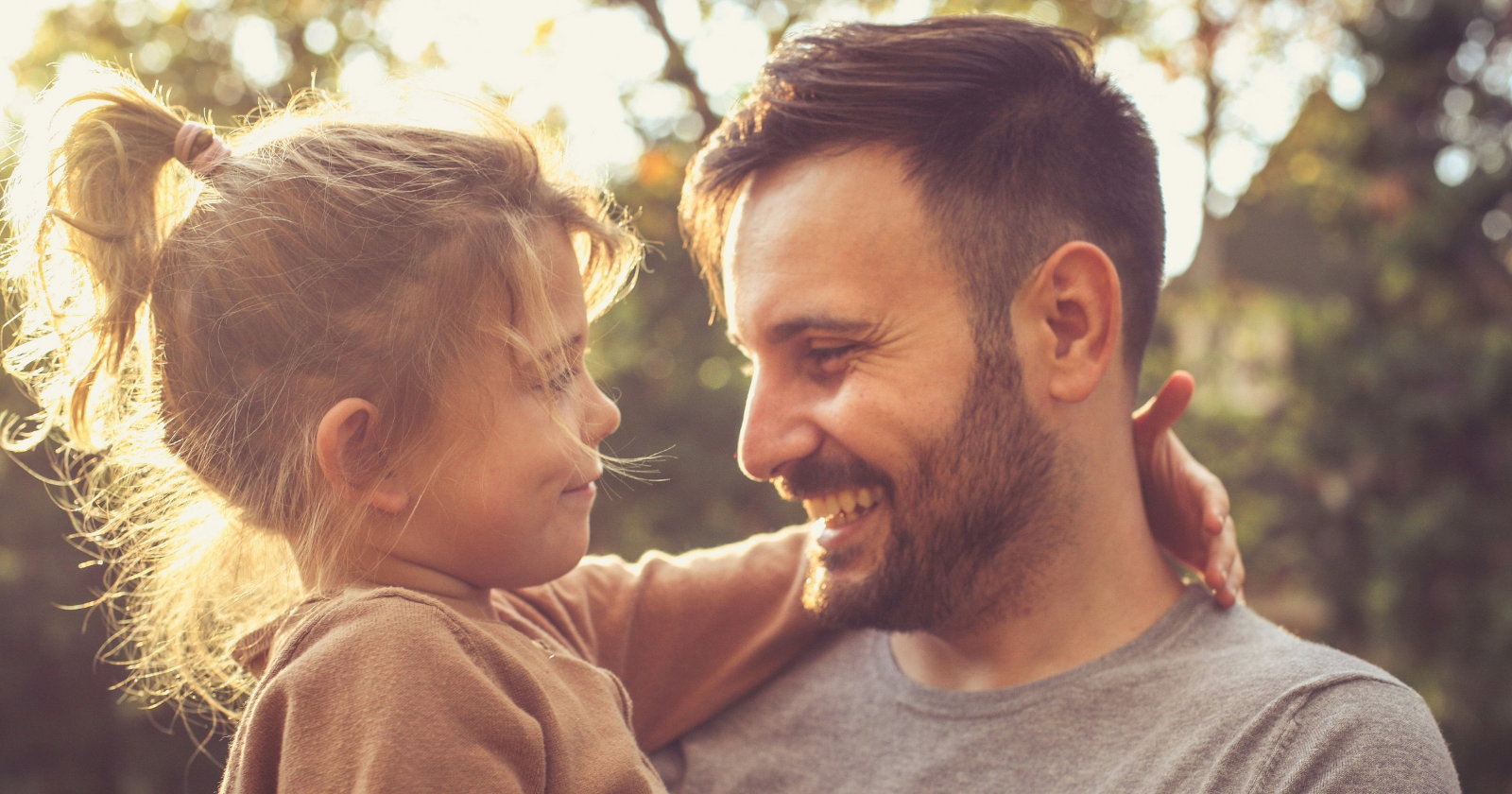
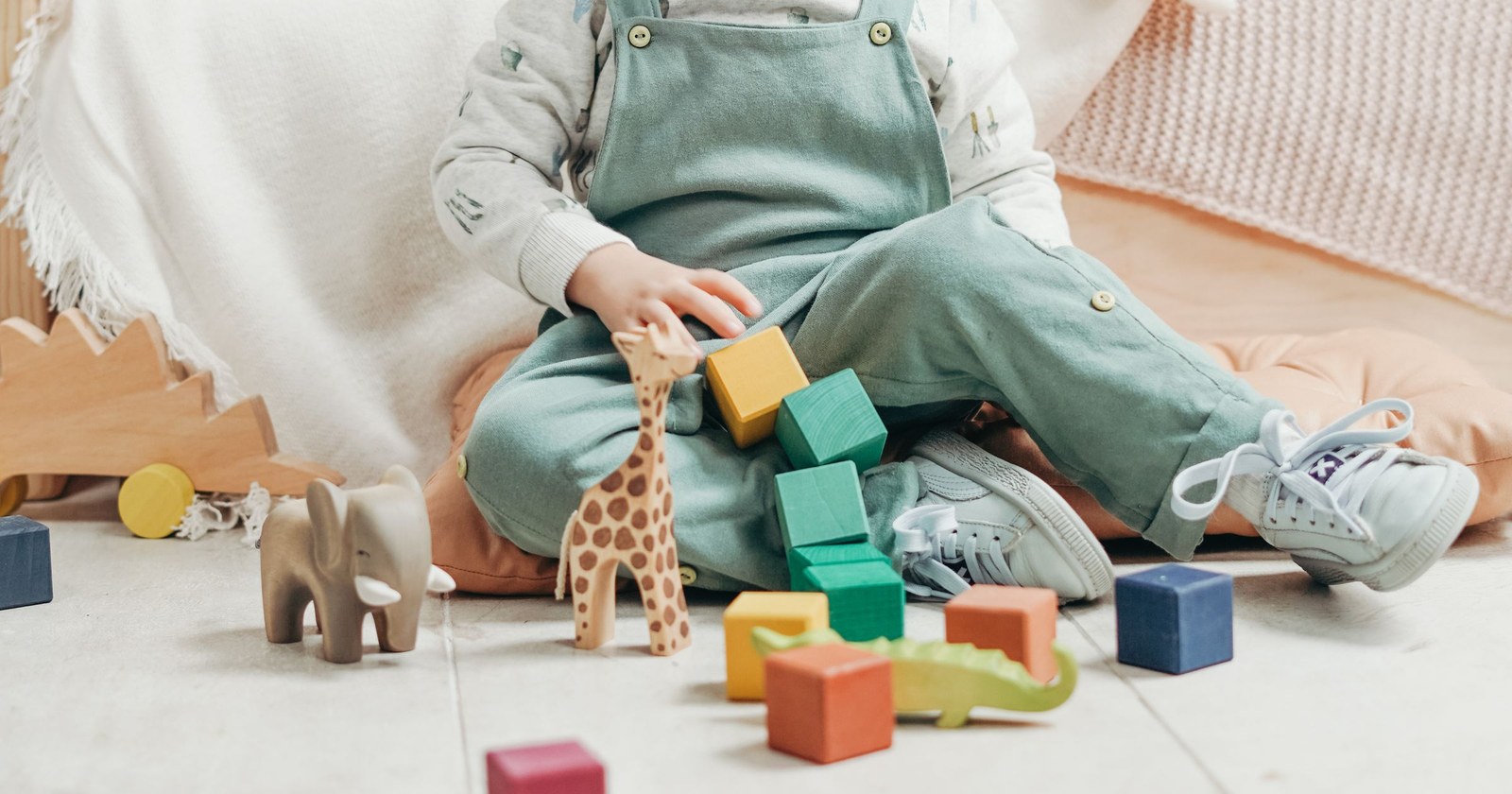
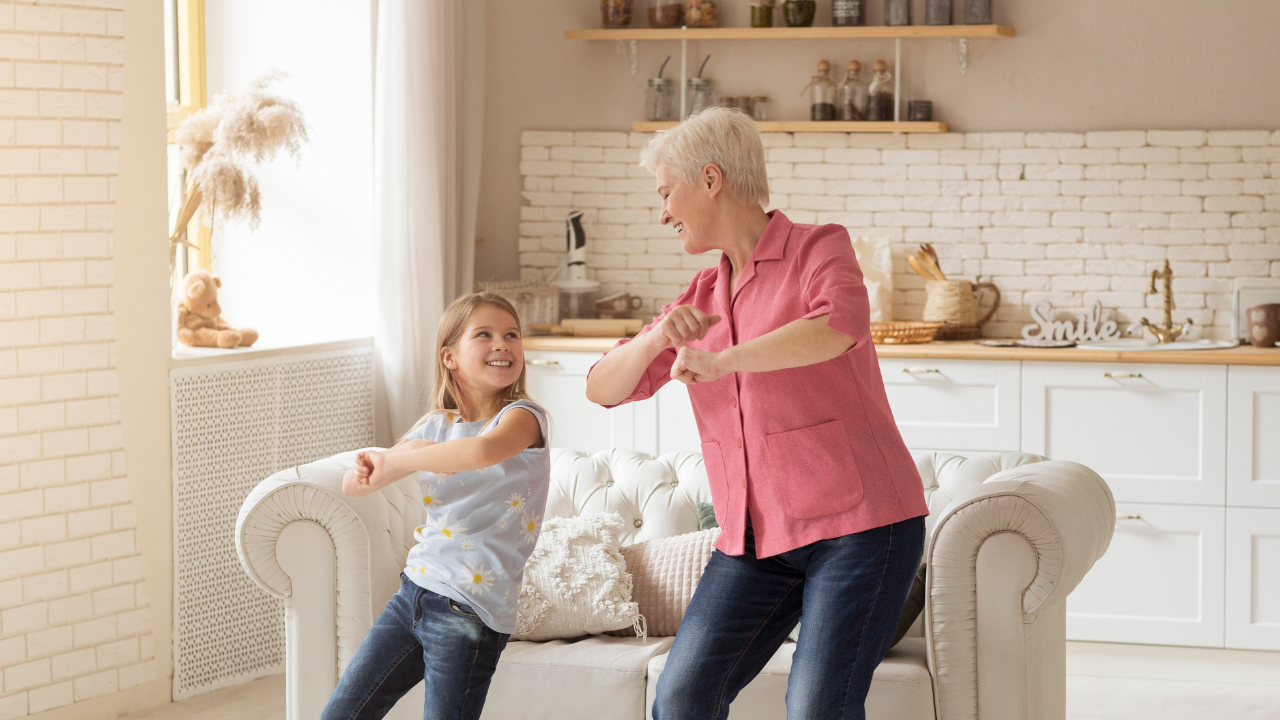
Years from now, your children won’t recall the spotless floors or the color-coded toy bins—they’ll remember whether you chose to fold the laundry or accepted their invitation to a teddy bear tea party.

The 4 most expensive words in any family aren’t “we need to talk” — they’re “I already knew that” said by an adult child who watched a problem develop for years and never intervened because their parent never asked and they were raised to believe not asking meant not needing
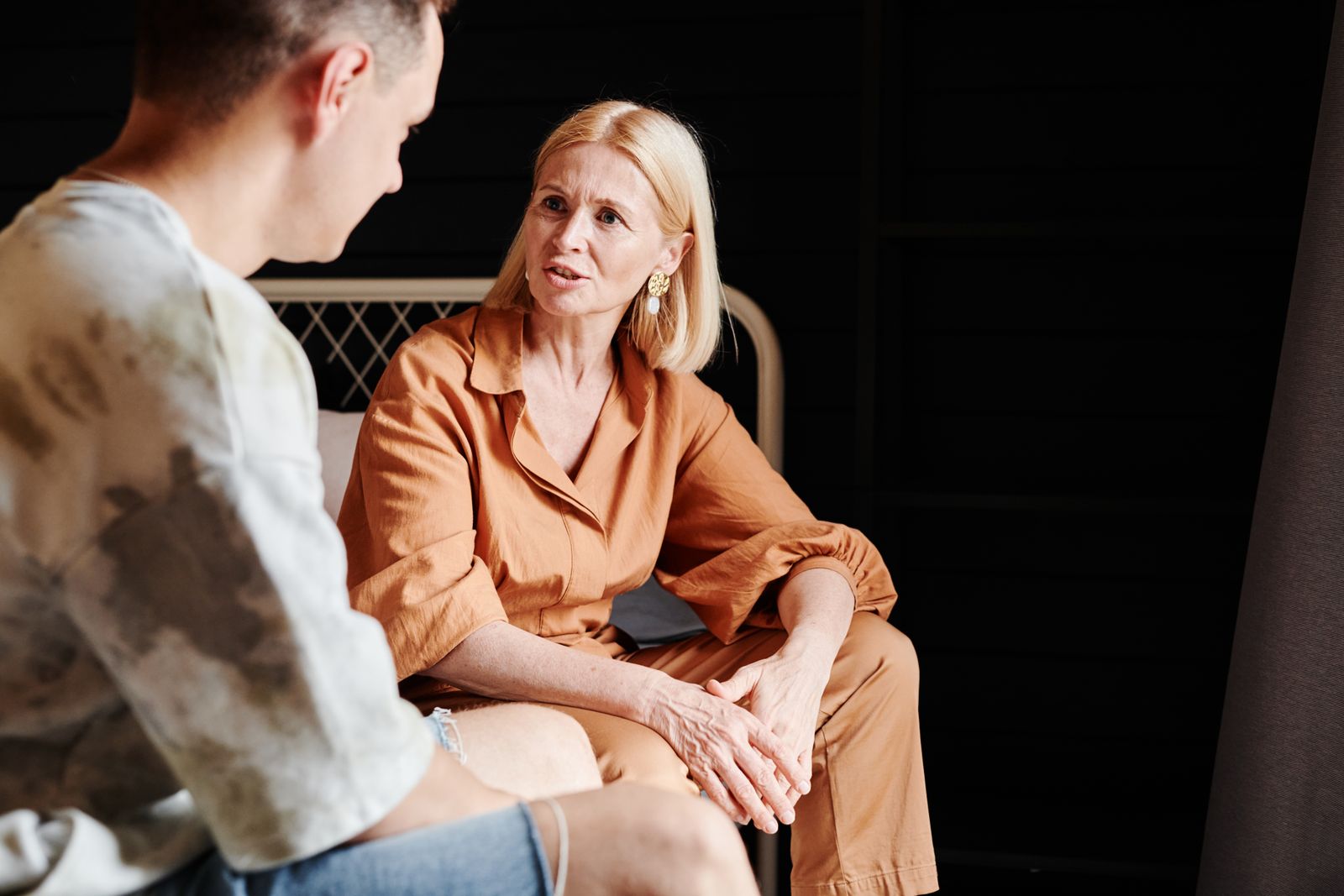
When a father discovered his adult son had watched him struggle for years without speaking up — not from indifference, but because he’d been raised to believe that not being asked meant help wasn’t wanted — it shattered everything he thought he knew about their relationship.

You will never be as young as your parents remember you or as old as your children think you are — and the person trapped between those two versions is the one nobody in your family has ever actually met
The gap between who your mother still sees when she looks at you and who your children assume you’ve always been is where your actual self lives—unseen, undefined, and more real than either version will ever know.

Kindergarten teachers say they can predict which children will struggle socially by age 10 based on one behavior in the first week — and it has nothing to do with sharing
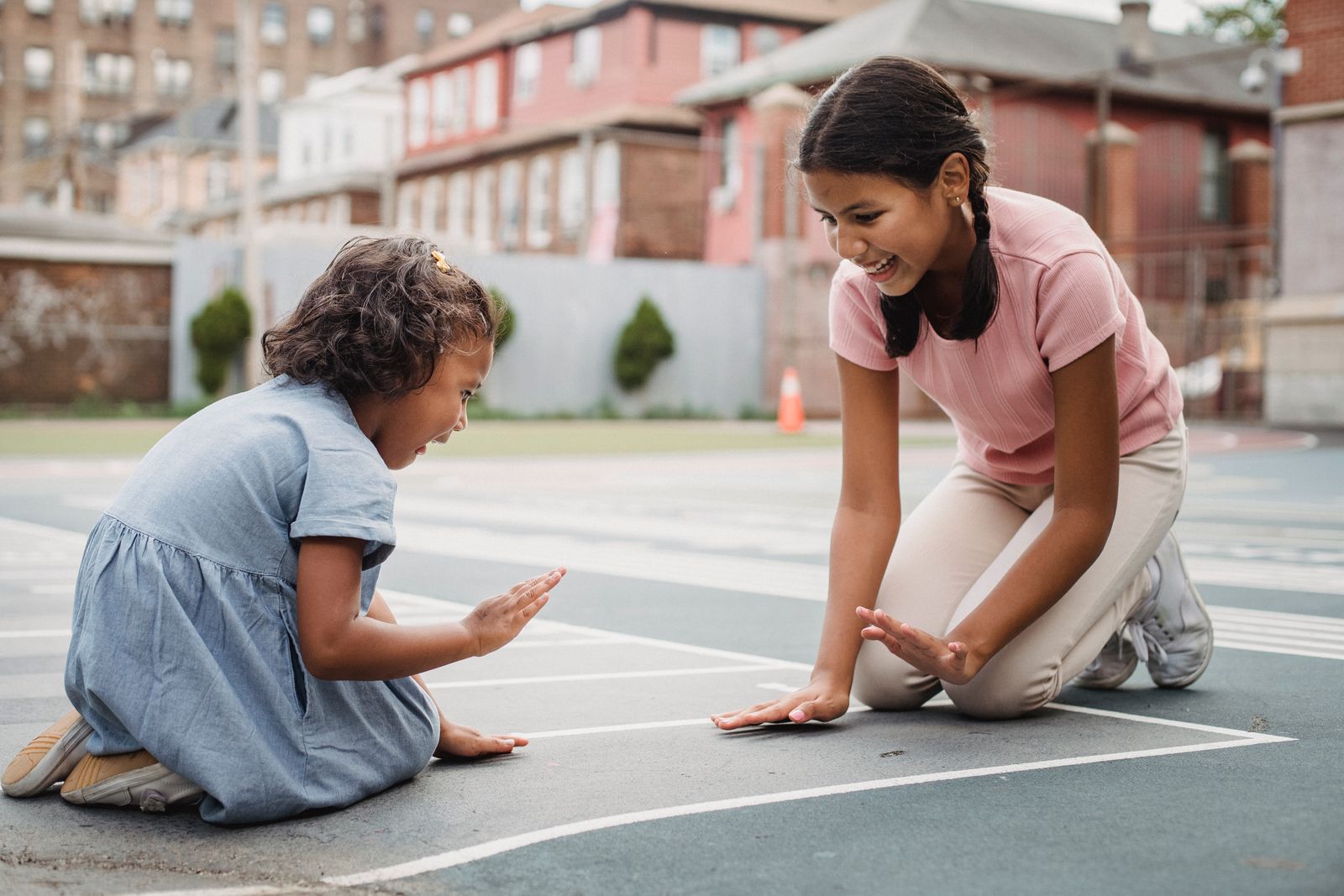
While most parents worry about sharing and following rules, veteran kindergarten teachers zero in on something far more telling: whether a five-year-old can simply exist near other children without completely falling apart.

9 things people say when visiting a newborn that sound supportive but that new mothers replay at 3am for weeks
As visitors cooed over her newborn with seemingly innocent comments about his size and sleep patterns, she smiled politely—but those same words would echo through her mind at 3am, transforming from casual observations into crushing doubts about her adequacy as a mother.

Psychology says the reason boomer fathers struggle most in retirement isn’t the loss of work — it’s that work was the only place they ever learned they were worth something to the people around them
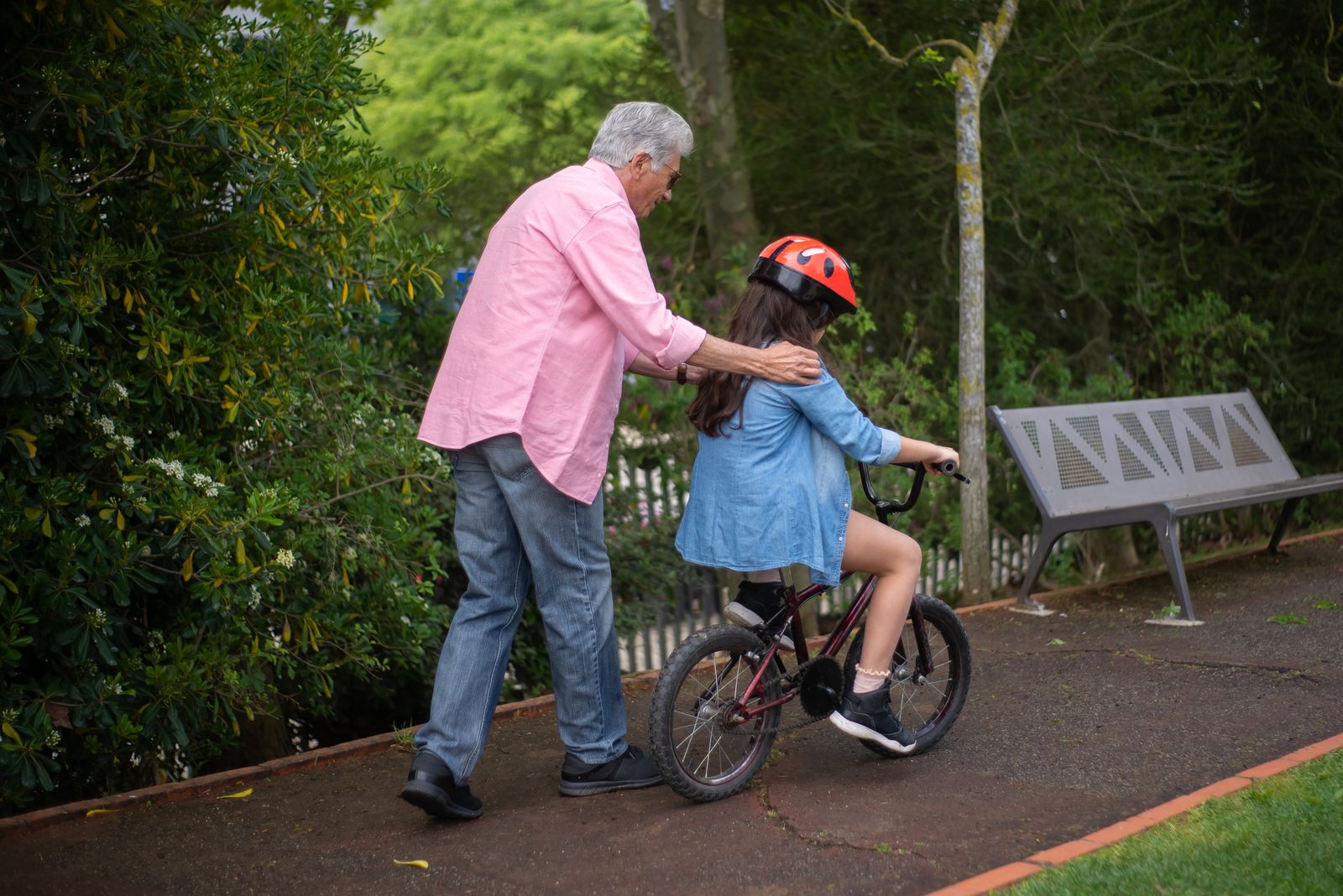
For generations of men who built their entire identity around corner offices and quarterly reports, the silence of retirement sounds less like peace and more like proof that nobody needs them anymore.

Psychology says older parents who feel like victims of their children’s boundaries are often experiencing something real—just not what they think it is
When adult children set boundaries with their parents—like refusing unsolicited parenting advice or limiting grandparent privileges—the older generation’s dramatic hurt feelings aren’t manipulation; they’re experiencing genuine grief over a loss of control and identity they never saw coming.

Psychology says the quiet child who always had a book in their hands wasn’t withdrawing from the world — they were studying it from a distance that gave them clarity most people never develop and that observational habit became a permanent lens that allows them to read rooms and understand motives in ways that feel intuitive but are actually the product of ten thousand hours of watching characters make decisions
While other children were learning social dynamics through trial and error on the playground, those quiet kids with books were conducting a decade-long master study in human behavior—absorbing thousands of storylines that would later manifest as an almost supernatural ability to predict conflicts, decode hidden motivations, and navigate complex social situations with the precision of someone who’s already read the script.

Psychology says when adult children go low contact with their parents it’s rarely about a single incident — it’s the result of a thousand small moments where they learned their feelings were an inconvenience
For years she smiled through family dinners and learned to swallow her feelings, never understanding why she felt so alone until she became a parent herself and discovered the truth about emotional neglect hidden in plain sight.

The hardest question a childless person faces isn’t ‘why didn’t you have kids.’ It’s the one they ask themselves at 3am: who will advocate for me when I can’t advocate for myself, and the silence that follows that question is unlike any other silence in human experience.
The person who will sit beside you in the hospital and say ‘no, she wouldn’t want that’ might be the most important person in your life, and most of us never think about who that person is until it’s 3am and the ceiling is too close.

Psychology says the boomers most likely to feel abandoned by their adult children are also the ones who taught those children that needing people was a form of weakness
The generation that raised their children to never show weakness now sits alone at kitchen tables across America, wondering why those same children—who learned the lesson all too well—rarely call home.