


If you were the child who kept the peace in your family, psychology says you likely developed these 9 traits by adulthood
Growing up as the family mediator who smoothed over every argument and sensed tension before anyone else, you likely developed an uncanny ability to read rooms, anticipate needs, and keep everyone happy—skills that shaped you in profound ways you’re only now beginning to understand.

Psychology says the most well-adjusted children almost always had a parent who did these 8 “boring” things daily
While flashy parenting trends dominate social media, research reveals that the most emotionally balanced children have parents who commit to mind-numbingly repetitive daily routines—from reading the same bedtime story for months to asking identical dinner questions every single night.

Psychology says the reason some adults can’t identify what they’re feeling isn’t emotional immaturity. It’s often the result of a well-meaning childhood where every negative emotion was immediately reframed into something positive before it could be fully felt
The parents who taught you to look on the bright side may have accidentally made it impossible for you to look inward.

My mother apologized to me on a video call last week for something she did when I was seven, and I realized the boomers who raised us weren’t trying to be distant. They were parenting with the tools of people who were never parented themselves.
The boomers who raised us weren’t trying to be distant — they were parenting with the tools of people who were never really parented themselves.

I used to redirect every tantrum toward a silver lining. Then Ms. Alvarez told me Elise had started apologizing every time she cried at preschool, and I understood that my positivity had taught her that sadness was something to be sorry for
I thought relentless positivity was the opposite of my correction-heavy childhood — turns out it was just the same cage painted in brighter colors.

The loneliest moment in parenting isn’t the sleepless newborn phase. It’s twenty-five years later, when your adult child gently corrects how you hold their baby, and you realize the rules changed while you weren’t looking.
The loneliest shift in parenting doesn’t arrive with a cry in the night — it arrives decades later, in a quiet correction you never saw coming.

The parent who let their child be bored wasn’t lazy—psychology says they were quietly building these 6 essential skills
While modern parents frantically fill every moment with activities and screens, research reveals that those who dare to let their children experience boredom are secretly cultivating the exact skills—from creativity to emotional resilience—that expensive enrichment programs promise but rarely deliver.

I thought I was breaking the cycle from my correction-focused childhood by being endlessly encouraging. What I was actually doing was building a different kind of cage, one where my kids learned that the only acceptable emotion in our house was a happy one
I replaced my father’s silence with relentless cheerfulness, and it took my four-year-old whispering an apology for being sad to show me I’d built a different wall entirely.

Psychology says people who struggle to accept praise as adults were usually raised by parents who showed love through correction, not affirmation. The praise felt dangerous because in their household, attention usually meant something was wrong.
When the only attention you received as a child came wrapped in correction, praise in adulthood doesn’t feel like warmth — it feels like a trap you haven’t sprung yet.

Psychologists explain that children who were raised by emotionally reserved parents don’t develop less capacity for love. They develop a different fluency for it, one built on watching hands instead of listening to words.
My father never once said ‘I love you,’ but he spent thirty years saying it with his hands — and it took becoming a parent myself to finally hear him.
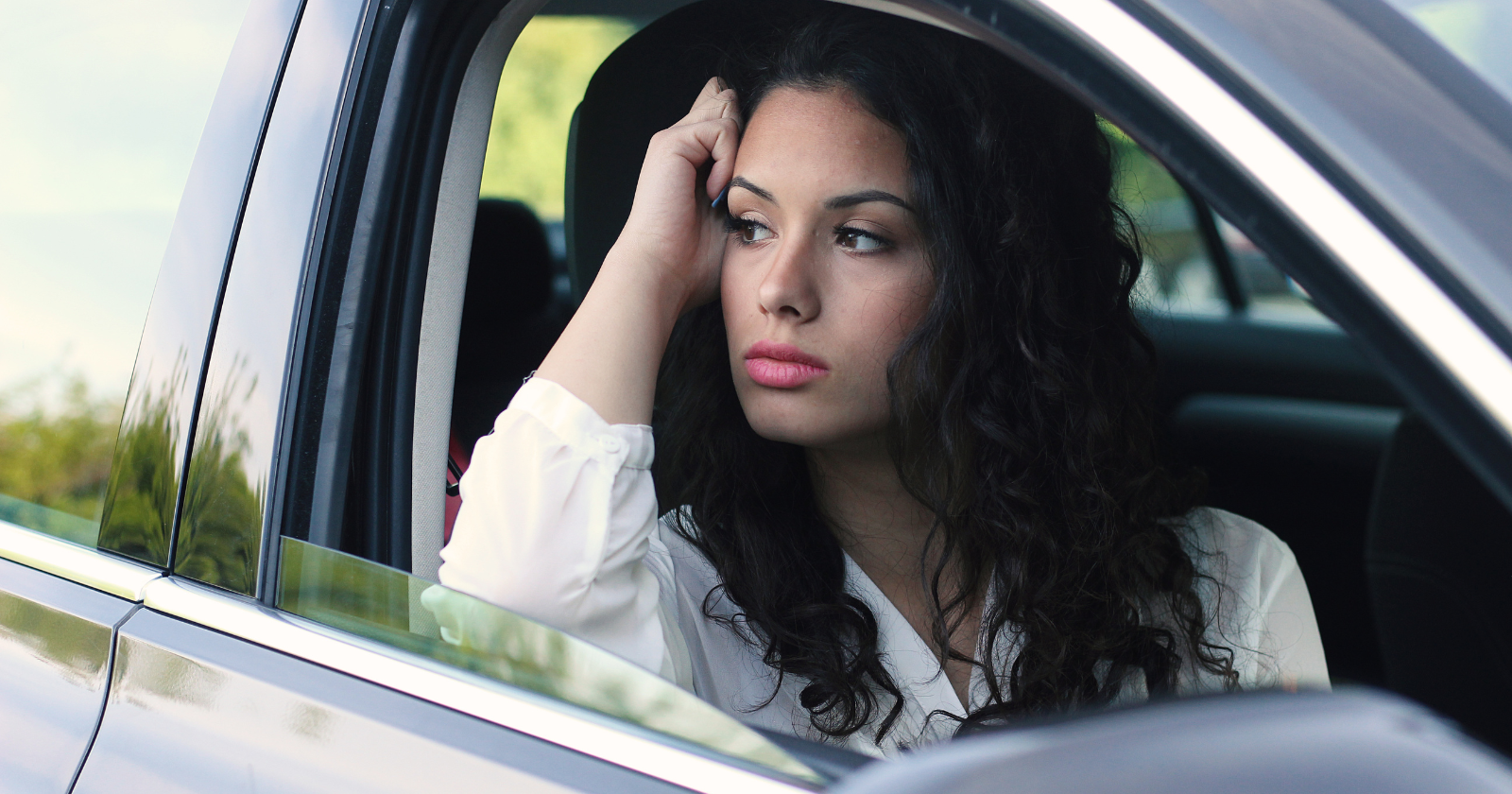
The mother who sat in the car alone for five minutes before walking into the house wasn’t being dramatic—psychology says she was doing something for her children that most people never recognize as love
The simple act of sitting alone in a parked car before entering a house might look like procrastination to outsiders, but neuroscience reveals it’s actually a powerful form of emotional protection that transforms the entire family dynamic in ways most parents never realize.

7 things daughters of emotionally unavailable mothers learn to do by age ten that look like maturity but are actually survival skills they’ll spend their thirties trying to unlearn
While the world praised you for being “mature for your age,” you were actually mastering survival tactics that would take decades to recognize as the trauma responses they really were.