
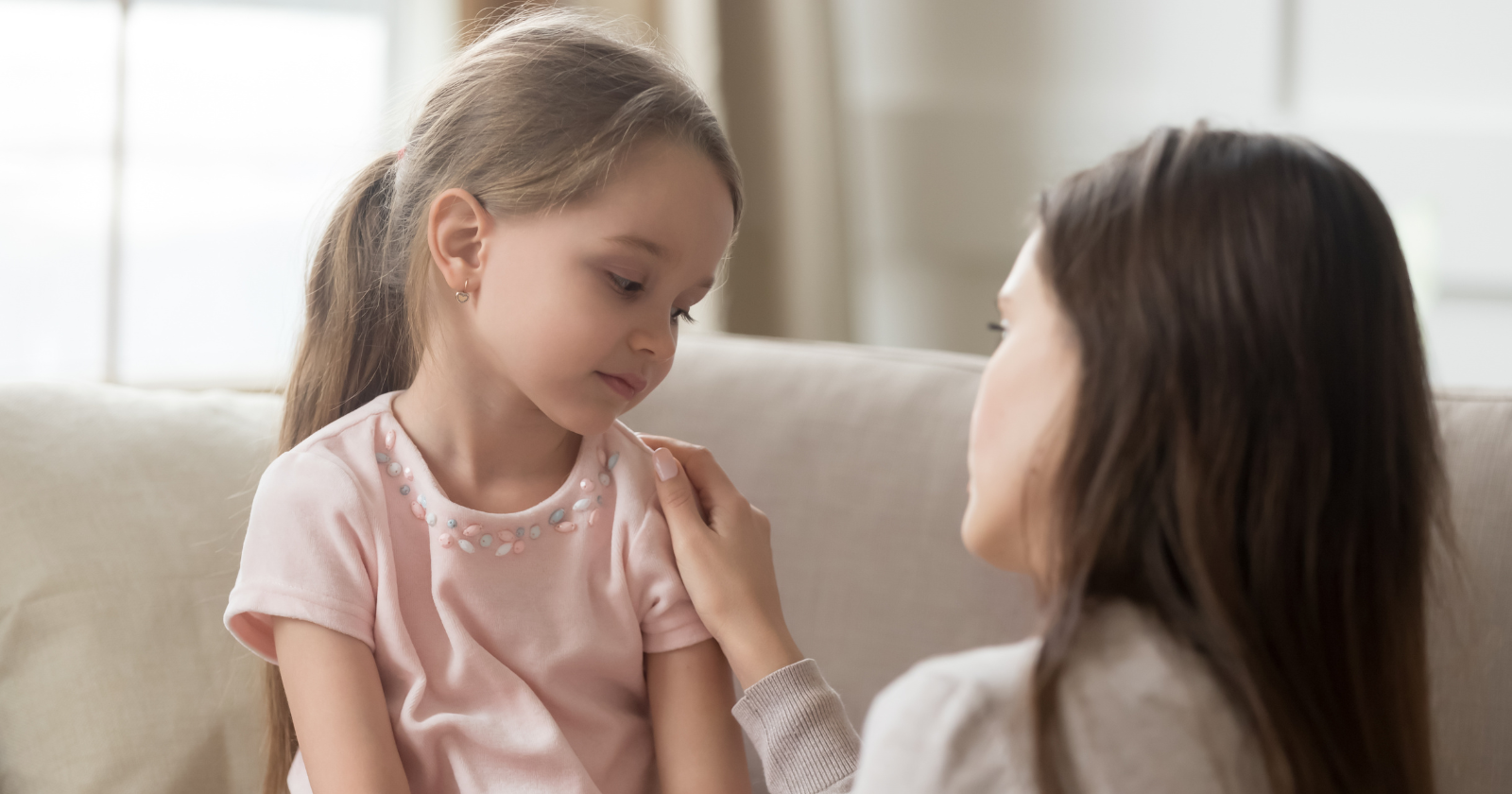
Psychology says the thing children need most from their parents costs nothing and takes almost no time — it’s the 8-second pause between when a child starts talking and when the parent actually listens instead of preparing a response
This simple shift in how you respond when your child speaks to you can transform your relationship forever — and it all comes down to silently counting to eight before you say a single word.
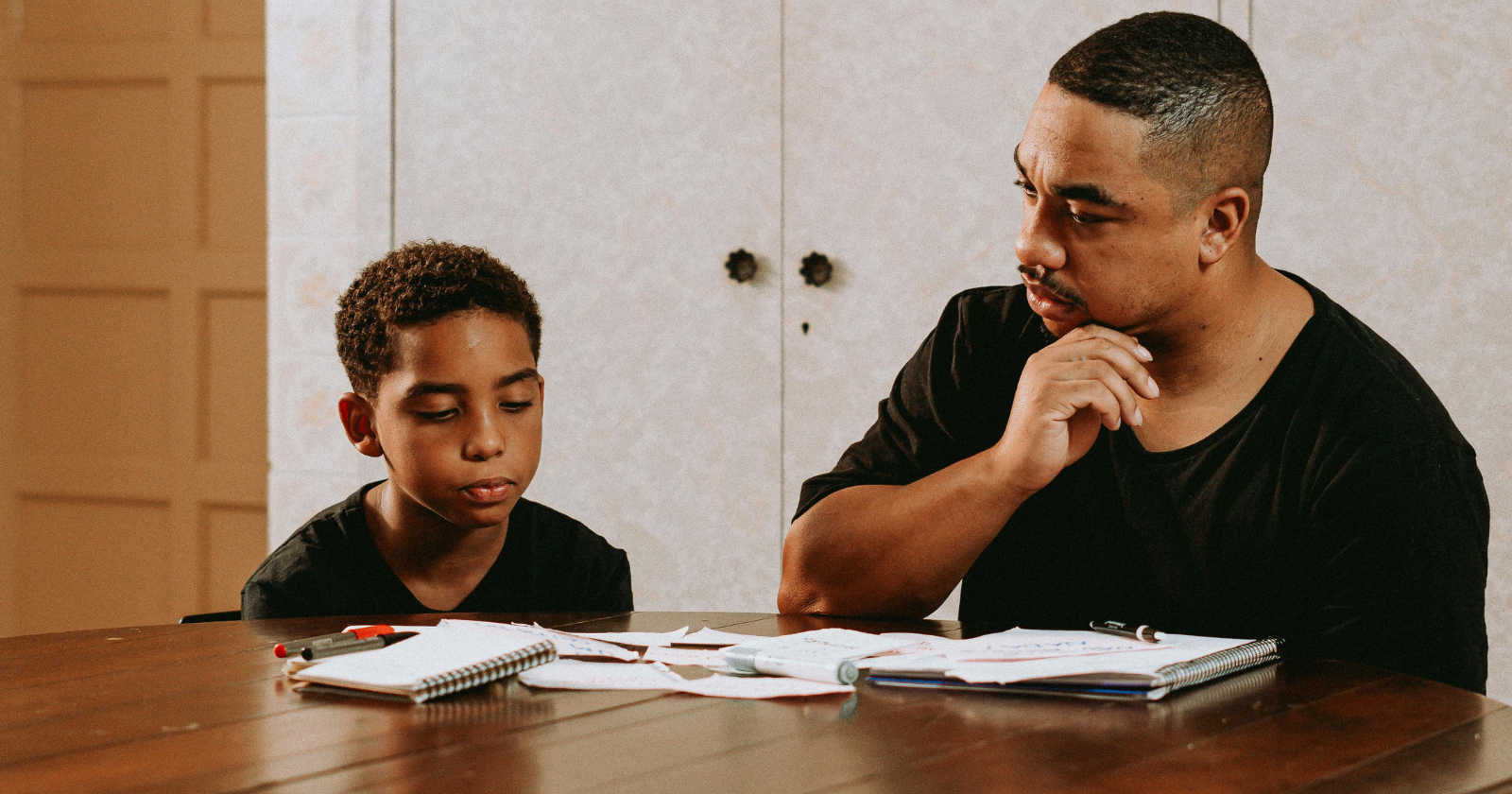
Psychology says the emotional distance many fathers maintain isn’t a personality trait — it’s a learned survival strategy passed down through generations of men who were taught that closeness was weakness, and their children pay the inheritance tax
The invisible walls between fathers and their children aren’t built from indifference—they’re constructed from centuries of men being taught that emotional closeness would destroy them, creating a generational debt that compounds with interest in the hearts of their children.
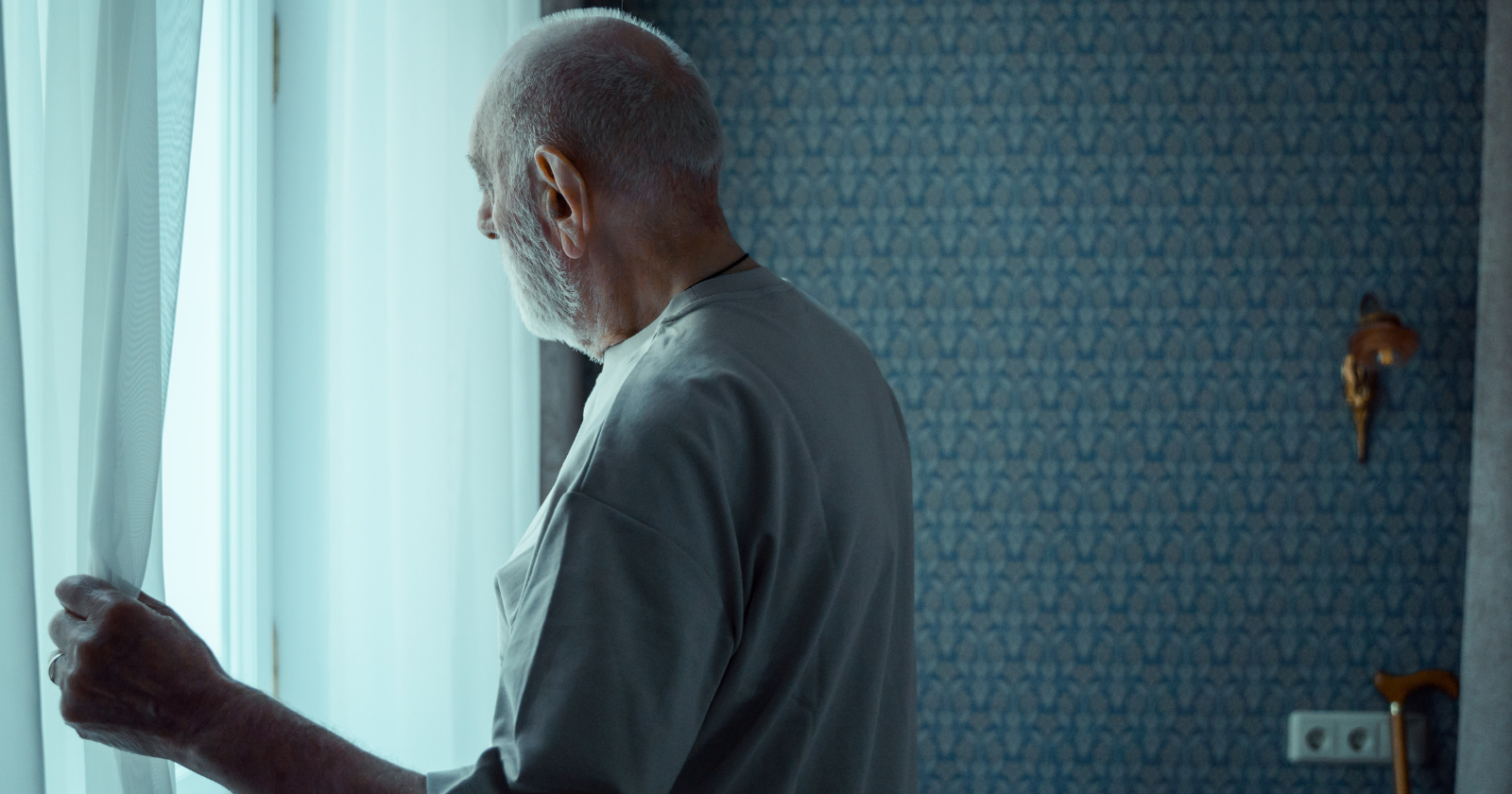
The loneliness many boomers feel isn’t a personal failure — it’s the predictable result of a culture that valued them for their productivity and caregiving, then offered no roadmap for building an identity or community once those roles ended
After decades of being told their worth came from working and caring for others, millions of boomers now sit alone in quiet houses, discovering that society never taught them how to exist as whole people once those roles disappeared.

Psychology says children who were allowed to argue with their parents — respectfully — become adults who can advocate for themselves in rooms full of people who outrank them
Those childhood dinner table debates where you passionately argued your case weren’t just annoying your parents — they were secretly training you to become the kind of adult who can walk into a boardroom full of executives and confidently say, “I think we’re approaching this wrong.”

The reason millennial adult children don’t call as much isn’t that they don’t love their parents — it’s that their generation was raised to prioritize independence and self-sufficiency to a degree that accidentally taught them that needing people, even parents, was a form of failure
Millennial children aren’t calling less because they care less — they’re following the exact script their parents wrote for them decades ago, and the consequences are lonelier than anyone expected.
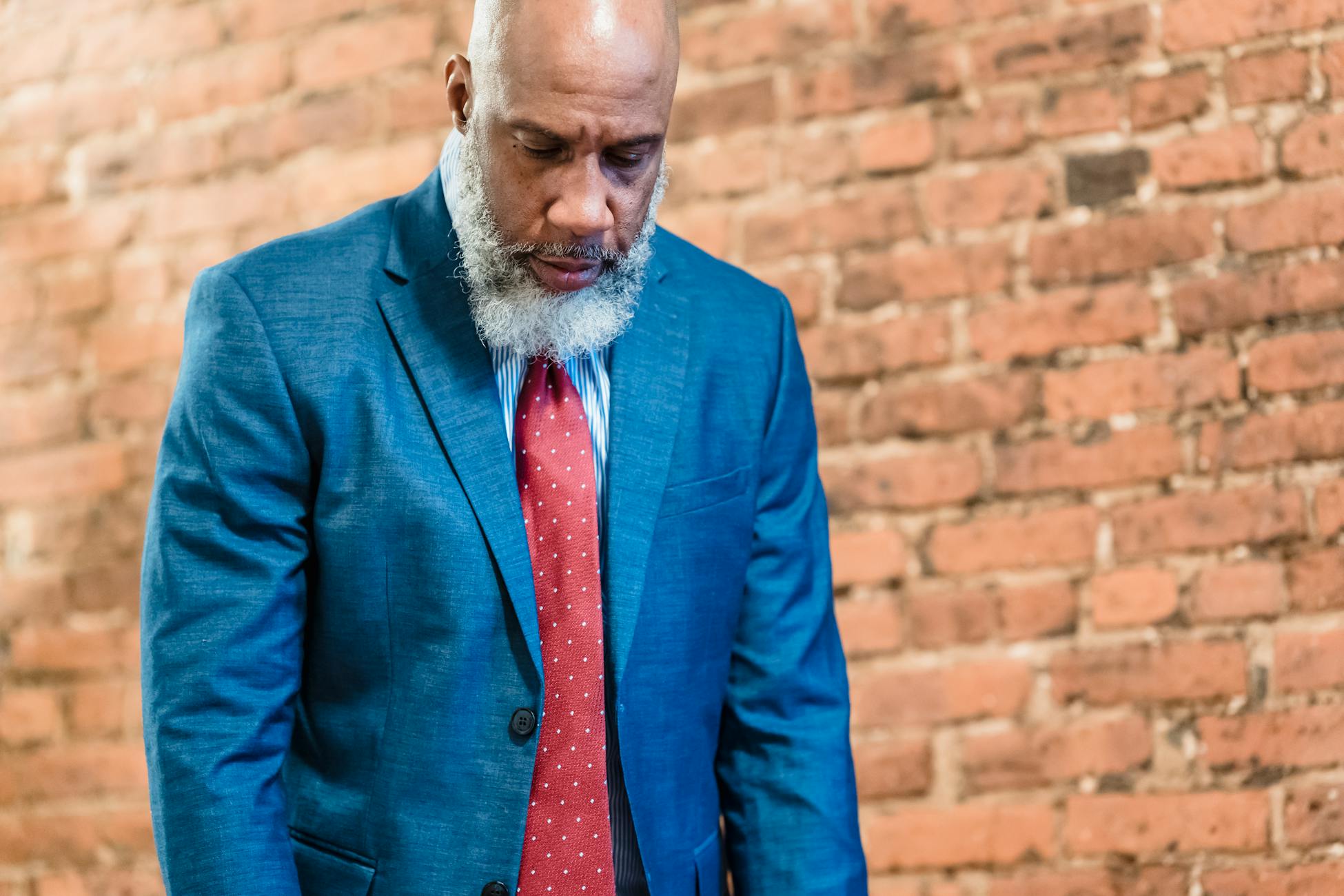
Research suggests the loneliness epidemic among boomers isn’t about a lack of people in their lives — it’s about being surrounded by family who see them as a role, not a person, and that kind of invisibility is more isolating than being completely alone
Despite being surrounded by family who regularly need them for childcare and support, millions of boomers are discovering that being valued only for what they can provide—rather than who they are as people—creates a loneliness more profound than actual isolation.

I’m 66 and I spend more time talking to the cashier at the grocery store than I do with anyone else all week — and the truly devastating part isn’t the loneliness itself, it’s knowing I’d never tell my children because they’d either pity me or fix me, but never just sit with me
When your children’s love comes wrapped in solutions and schedules, you learn to save your real conversations for strangers who have three minutes and no agenda.
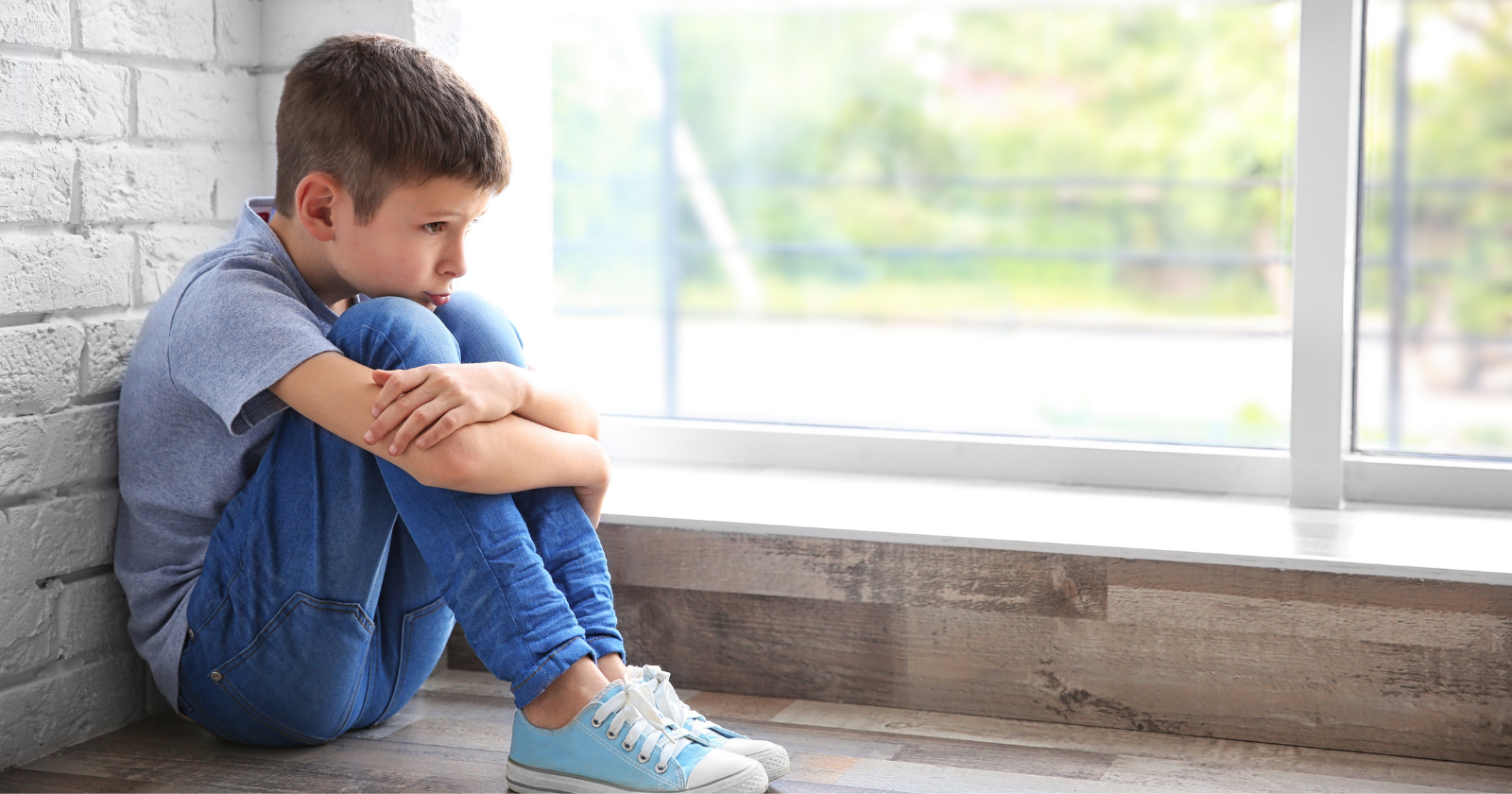
I grew up in a home where affection was never spoken and rarely shown — and it took me until my own retirement to realize my parents weren’t withholding love, they were passing down the only parenting style they ever witnessed
After decades of believing my parents simply didn’t love me enough, retirement brought a startling revelation that transformed my understanding of their silent, distant parenting—and why I’d spent my whole adult life desperately seeking the validation they never knew how to give.
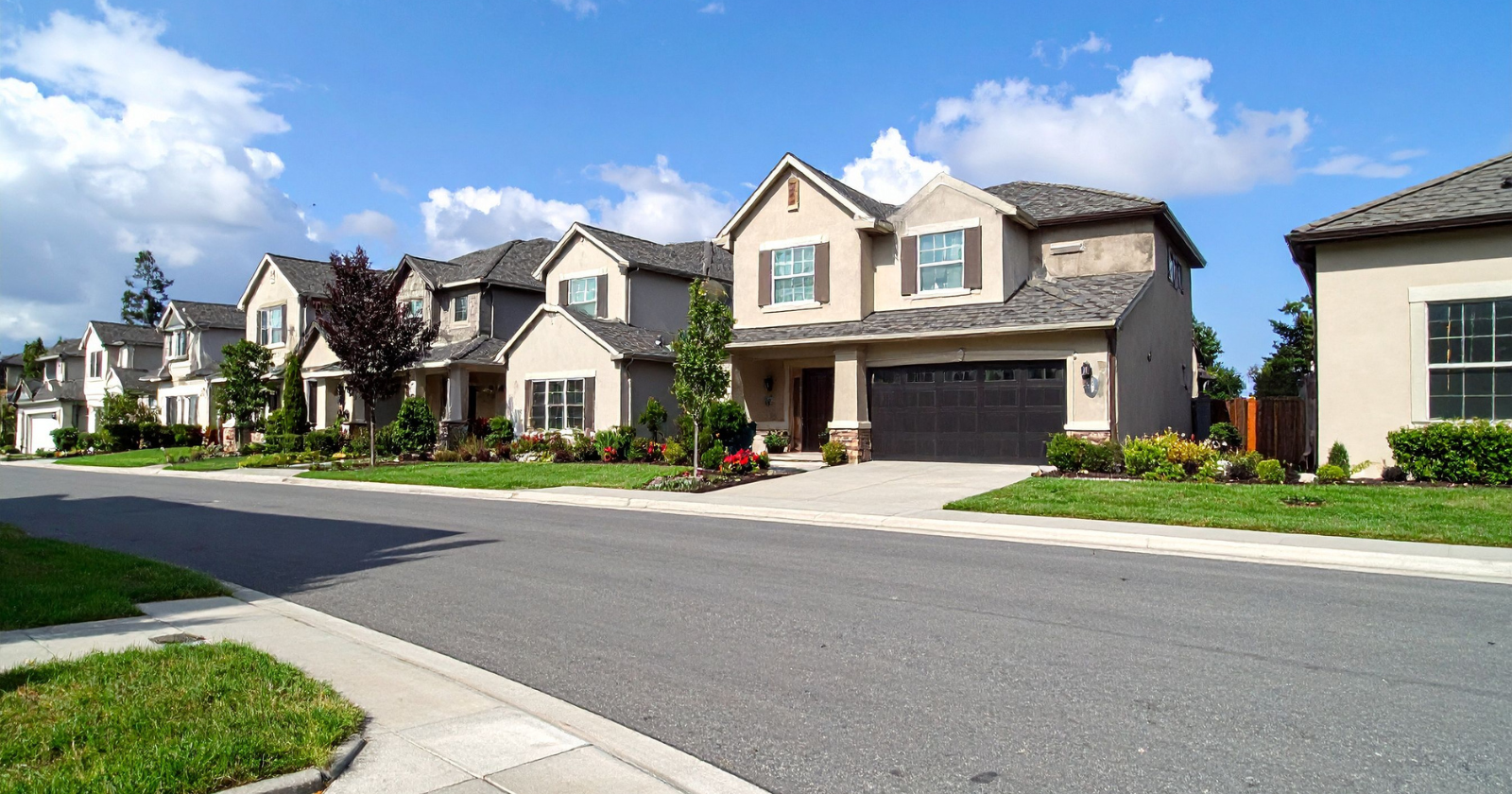
I’m 66 and I moved back to the town I grew up in thinking it would feel like home again and it doesn’t — the diner is a Starbucks and the school is condos and the field where I kissed my first girlfriend is a parking lot and I’m standing in a place that has the same name as my childhood but none of the same atoms and the nostalgia that brought me here lied to me
The atoms that made up everything I loved have been replaced one by one, like a ship rebuilt at sea, until I’m standing in a place that shares only GPS coordinates with my memories.

I spent fifty years believing my mother didn’t love me because she never said it — and then I found her journals after she died and realized she wrote about me every single day but couldn’t say the words out loud
The box of journals I nearly threw away contained 18,000 days of “I love you” written by a mother who could never speak those three words aloud.

Psychology says the grandparent who listens without giving advice does more for a grandchild’s confidence in one afternoon than a year of praise from someone who always has a correction attached
When a child shares their struggles and triumphs with someone who simply listens—no advice, no “but you could have done better”—something remarkable happens to their self-worth that years of conditional praise can’t touch.
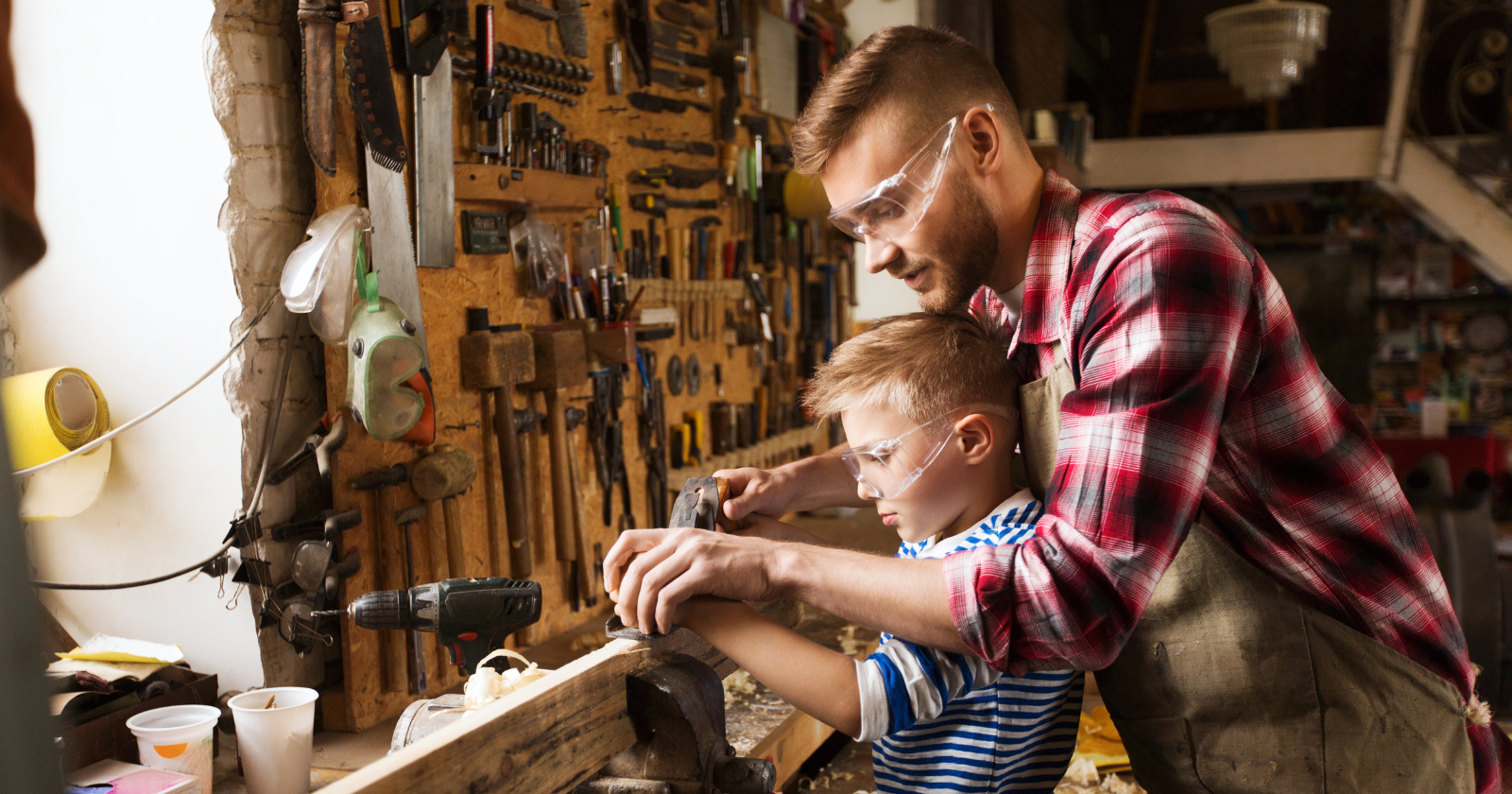
Psychology says the reason your adult child doesn’t tell you things anymore has nothing to do with trust — it’s about the 6 reactions you gave between ages 12 and 16 that taught them exactly what was safe to share
When your adult child treats you like a polite stranger while spilling their deepest secrets to friends, the roots of their silence were actually planted during six specific types of conversations you had when they were barely teenagers — conversations you’ve probably forgotten, but they never will.