
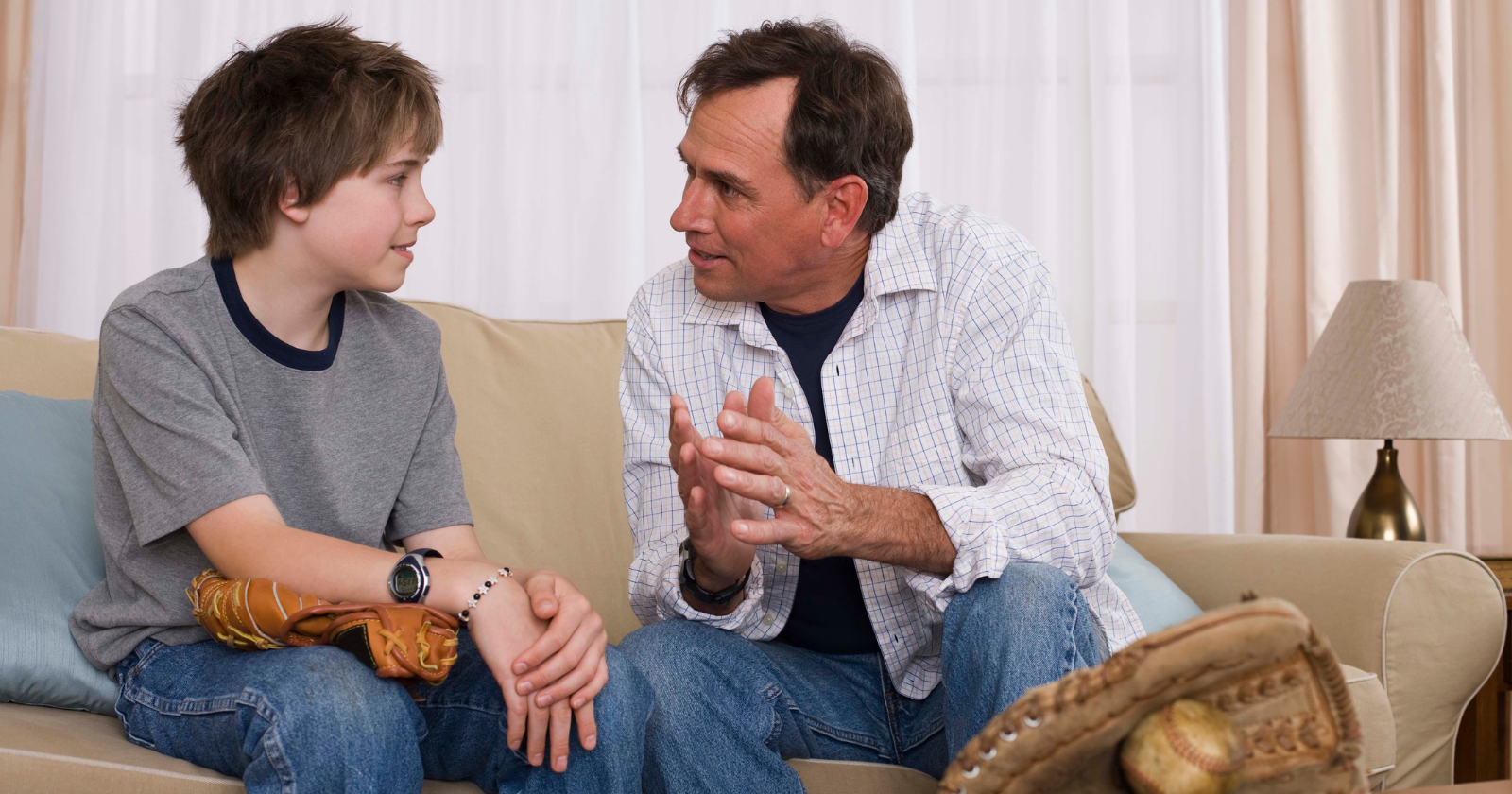
8 signs your child has outgrown your guidance — and the parent who celebrates it instead of resisting it earns something better than authority
When your five-year-old looks you in the eye and says “I need to figure this out myself,” you realize that letting go of control might just be the most powerful parenting move you’ll ever make.

The mother who wakes up 30 minutes before everyone else not because she’s a morning person but because those 30 minutes are the only ones that belong entirely to her — and she’ll never tell her family this because the guilt of needing space from the people she’d die for is a math problem that doesn’t have an answer
In the darkness before dawn, she clutches her coffee like a life raft, stealing moments of solitude that feel like both salvation and betrayal—because loving your children desperately doesn’t make the weight of being needed every waking second any lighter.
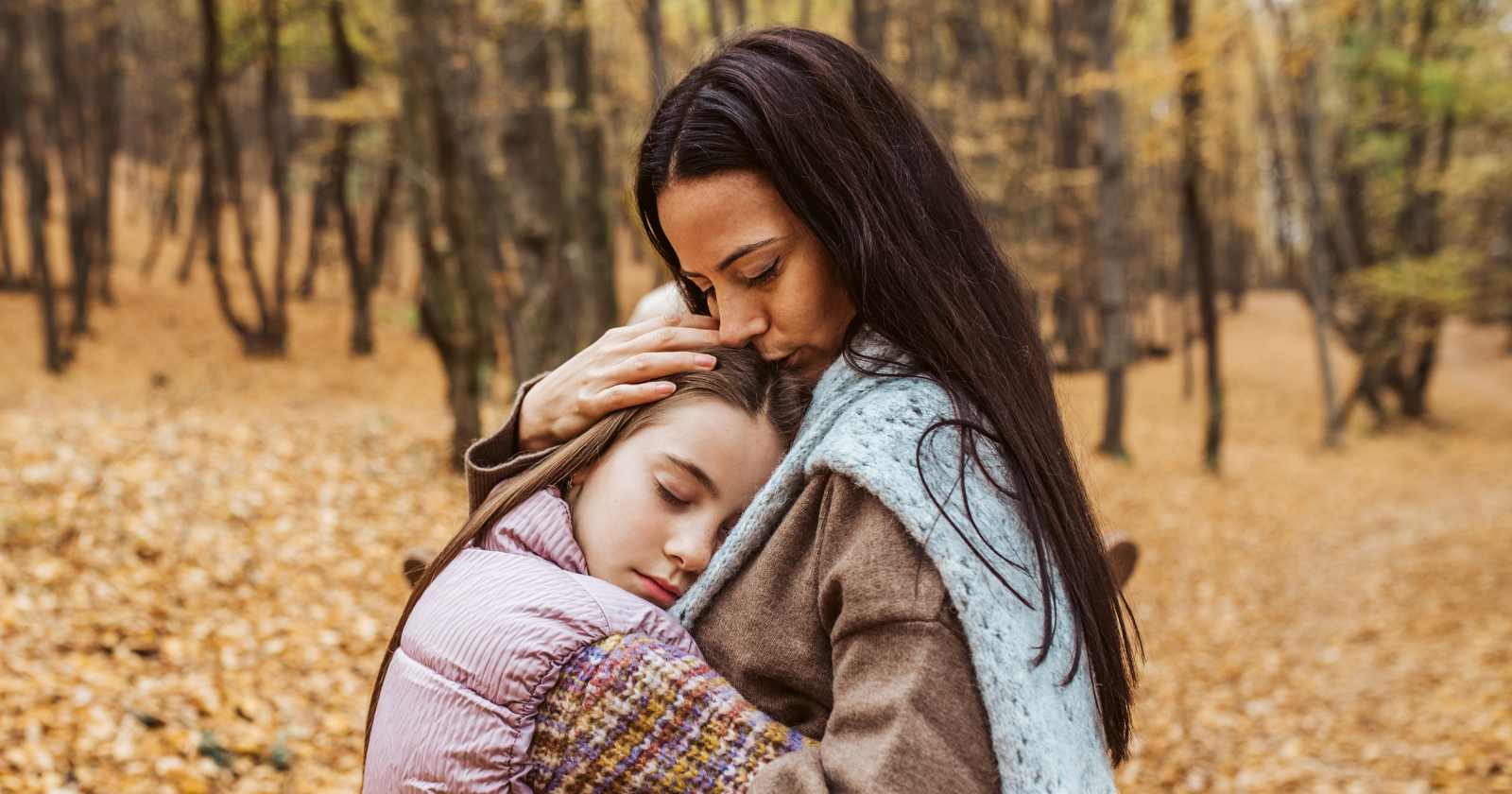
I sacrificed my career, my hobbies, and most of my friendships to be a full-time mother — and when my youngest turned 25 and said she wished I had pursued my own dreams so she didn’t feel like the reason I gave everything up, I realized martyrdom isn’t actually love
A mother discovers her greatest act of love wasn’t the decades of self-sacrifice when her 25-year-old daughter reveals she’s carried lifelong guilt for being the reason Mom abandoned her dreams.
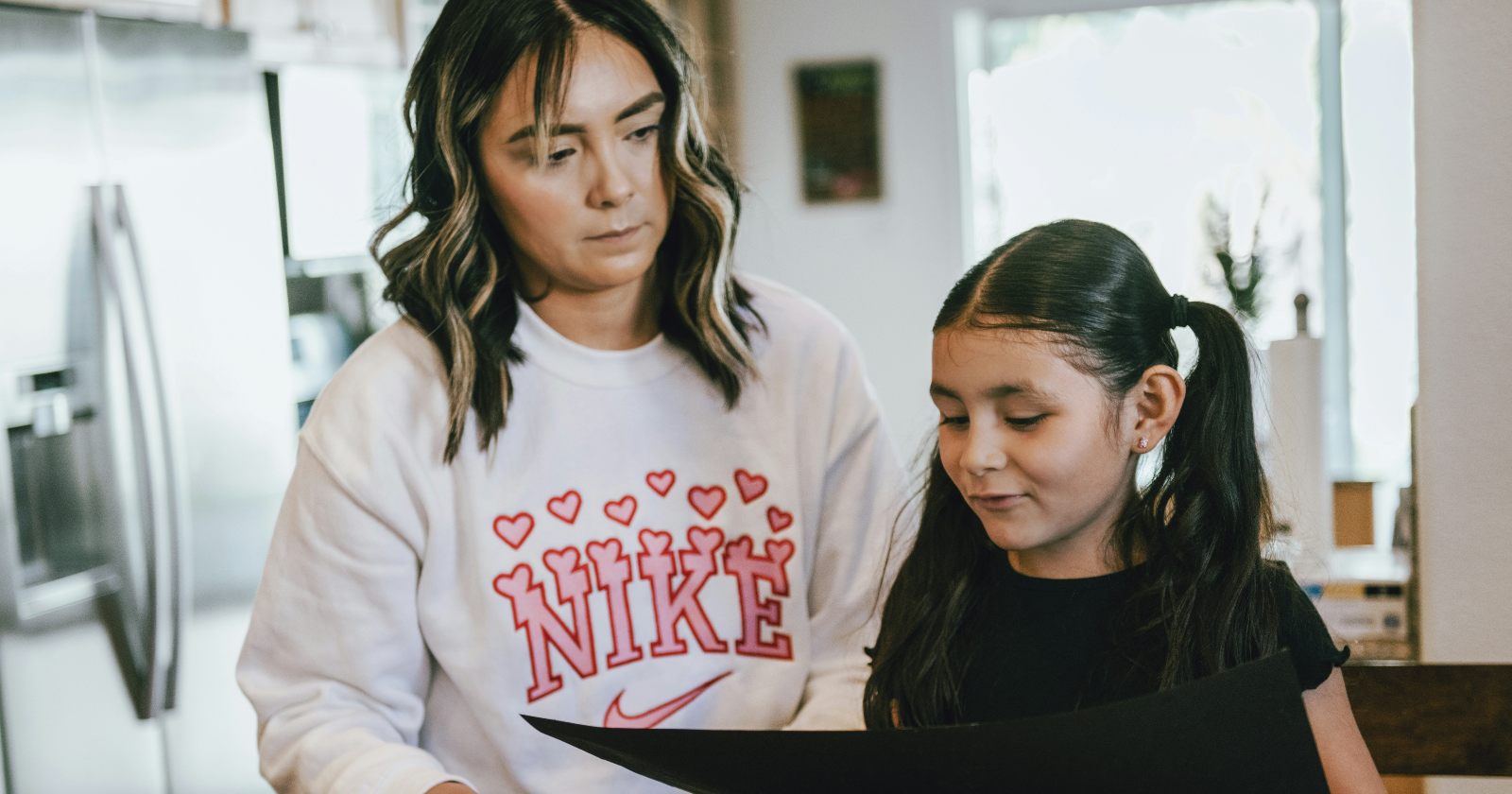
Psychology says the reason good parents often feel like failures isn’t because they did anything wrong — it’s because parenting is the only job where success looks like the person you devoted everything to no longer needing you
The ache you feel when your child masters something without your help isn’t parenting failure—it’s your biology struggling with the fact that you’re succeeding at the one job designed to make you obsolete.
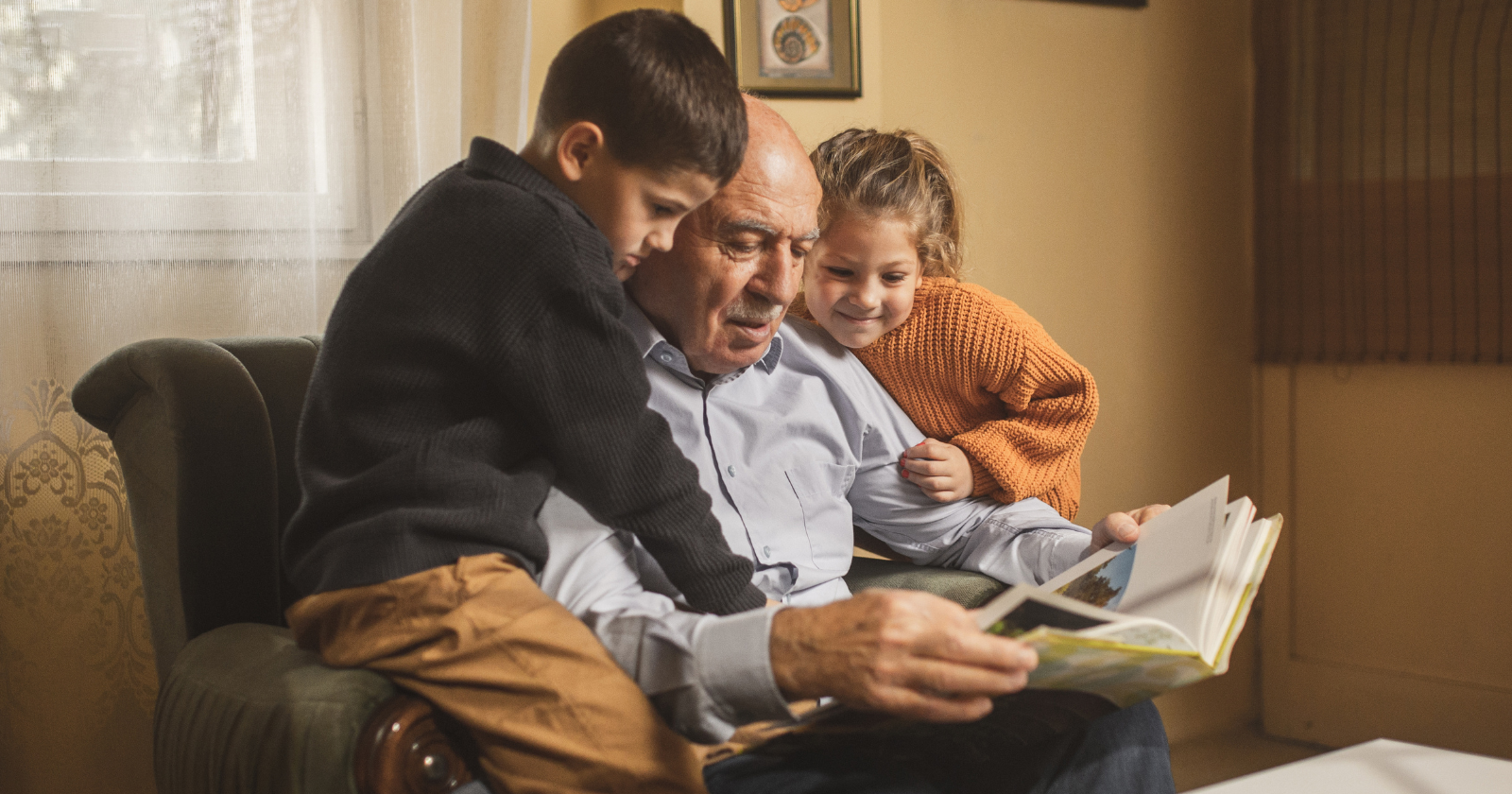
8 things children of the 1960s and 70s got from their grandparents that today’s children are growing up without — and what it’s quietly costing them
Growing up, we learned to darn socks and identify ripe tomatoes from grandparents who had endless patience—but today’s kids are inheriting iPads instead of these irreplaceable life skills, and the hidden cost is steeper than we realize.

The hardest part of parenting adult children isn’t letting go — it’s these 8 quiet realizations about how much of yourself you gave away and whether you’ll ever get it back
As you flip through decades-old photo albums and realize your grown children no longer need you, you’re left staring at the ghost of who you used to be—and wondering if that person is gone forever or just waiting for permission to exist again.

Psychology says people who were raised by emotionally distant parents don’t struggle with love — they struggle with believing they’re worth staying for, and these 9 behavioral patterns reveal how deeply that belief runs
From the person who apologizes for breathing to the one who sabotages happiness just as it arrives, these patterns aren’t random quirks — they’re the invisible scars left by parents who were physically present but emotionally gone.

7 signs an adult child is starting to pull away emotionally — and the one that always comes first before any of the others
Discover the subtle warning sign that appears before your adult child starts emotionally distancing themselves — and why recognizing it early could save your relationship before it becomes a painful canyon of silence.
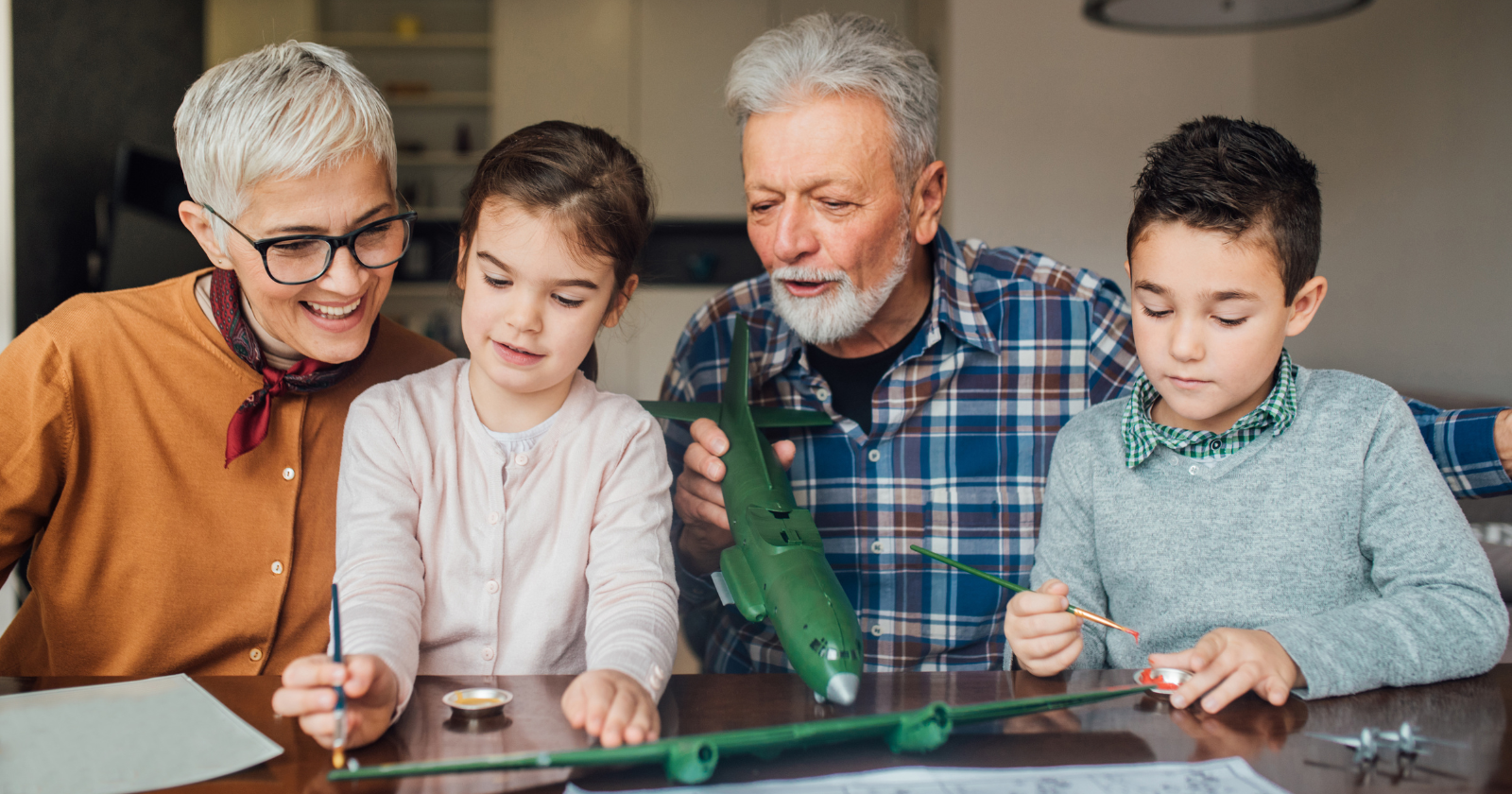
Children who were raised by grandparents instead of parents often display these 9 traits as adults — and psychology says the impact shows up in ways most people would never connect to their childhood
From the friend who always knows when something’s wrong to the coworker who can’t ask for help despite handling every crisis with grace, these seemingly unrelated adult behaviors often trace back to one shared experience: being raised in a household where love came with reading glasses and early bedtimes.

Psychology says the reason adult children pull away from their parents isn’t ingratitude — it’s that they’re trying to become individuals in a relationship that was built entirely around them needing you
The distance your adult child creates isn’t rejection—it’s the only way they know how to stop being your child and start being themselves in a relationship that was never designed for two adults.

I raised three kids in the 1980s and I’m tired of pretending I wasn’t lonely doing it — my daughter texts me photos of her toddler every day and I want to tell her that all that documentation won’t make the isolation any easier
While my daughter captures every moment of her toddler’s day in pristine photos, I’m haunted by memories of crying alone in my 1980s kitchen with three kids, desperate to tell her that no amount of documentation will fill the void where a village should be.

I spent twenty-two years putting my kids first in every decision I made — and now that they’re grown, I’m sitting in an empty house realizing I have no idea who I am when I’m not somebody’s mother
The silence hit hardest on that Wednesday morning at 10 a.m., three months into retirement, when I realized the man staring back at me in the kitchen window was a complete stranger—and I’d been living in his body for sixty-three years.