

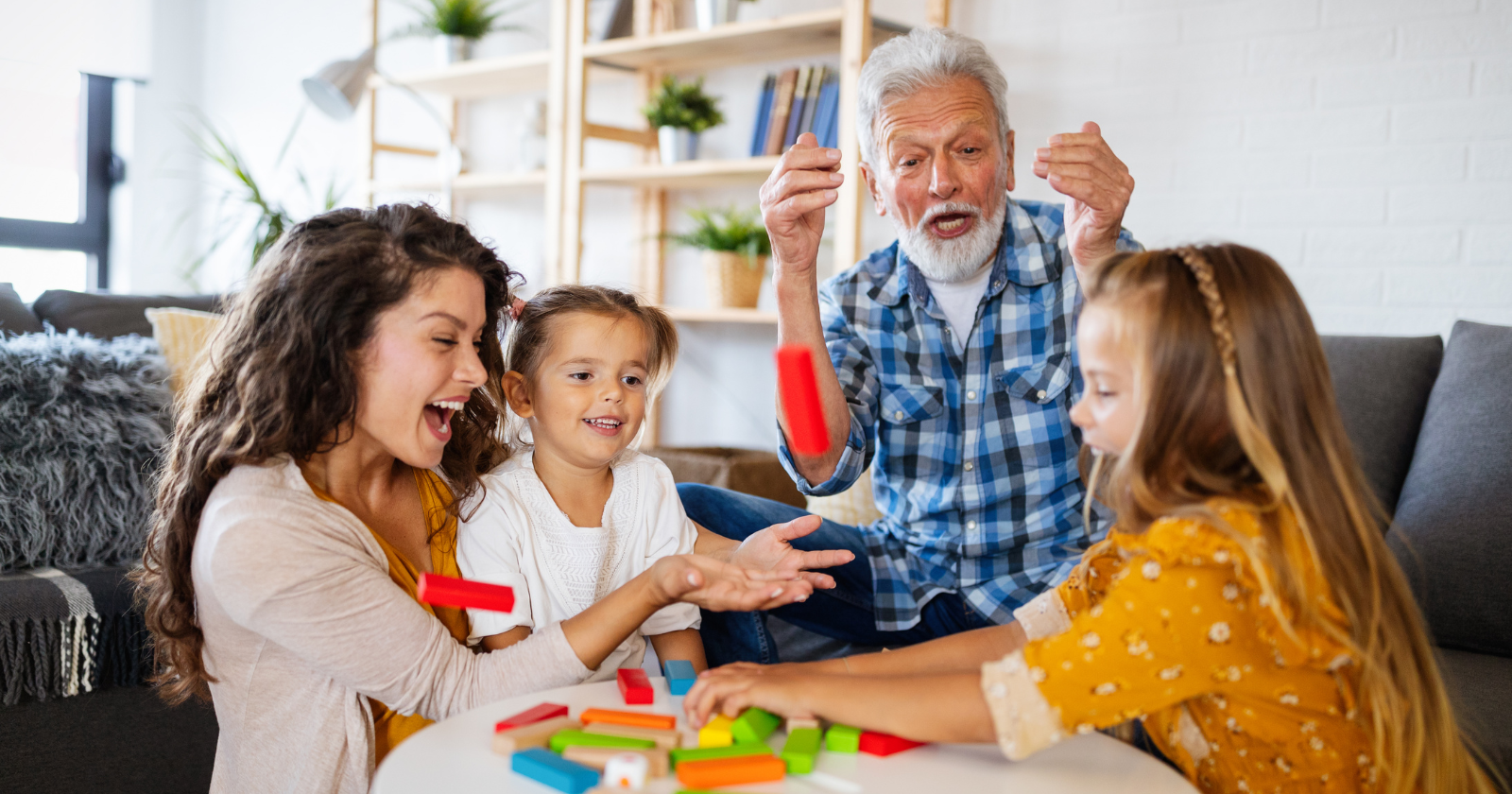
You know that Sunday morning ritual at my parents’ house? The one where my kids burst through the door, and suddenly the whole place transforms into this magical wonderland of grandparent energy?
Last week, I watched my mom teaching Ellie how to make her famous banana bread while my dad had Milo giggling uncontrollably with some made-up game involving wooden spoons. And it hit me: this weekly tradition didn’t just happen. It took years of intentional relationship building between my parents and me to get here.
Not every family gets this. I have friends whose parents see the grandkids maybe twice a year, and it’s not always about distance. Sometimes it’s about the invisible walls we build without realizing it. After talking with other parents who have this same weekly grandparent magic happening, I’ve noticed some clear patterns in how we relate to our own parents.
1) They respect boundaries without taking them personally
Remember when you first became a parent and suddenly everyone had opinions about everything? Yeah, that was fun. When my daughter was born, I chose to breastfeed, co-sleep, and skip the traditional sleep training route.
My parents were skeptical of what they called my “hippie parenting” at first. But here’s what made all the difference: they asked questions instead of making judgments.
They didn’t have to agree with cloth diapers or understand why I was so obsessed with wooden toys instead of plastic. They just had to respect that these were my choices as a parent. And they did. No passive-aggressive comments at family dinners, no undermining my decisions when babysitting. Just genuine respect for the fact that I’m the mom now.
This goes both ways too. I respect their choice to give the kids ice cream sometimes (okay, most times) when they visit, even if I wouldn’t make that choice myself. Pick your battles, right?
2) Communication flows both ways
My mom texts me funny things my son says when he’s at her house. I send her random Tuesday afternoon photos of the kids covered in mud from our garden adventures. We don’t just communicate about logistics or emergencies. We actually talk.
But it wasn’t always this easy. After transitioning from teaching to freelance writing when I turned 30, I went through this phase where I felt like my parents didn’t really get my new life. We had to work at finding our rhythm again. Now we have actual conversations about real stuff, not just weather and what’s for dinner.
When something bothers me, I bring it up calmly instead of letting it fester. When they need something from me, they ask directly instead of dropping hints. Simple? Yes. Easy? Not always. Worth it? Absolutely.
3) They’ve embraced flexibility over rigidity
Life with little ones is unpredictable. Sometimes we’re late because someone had a meltdown about wearing socks. Sometimes we need to cancel because everyone’s got a stomach bug. Grandparents who see their grandkids regularly seem to get this on a soul level.
Related Stories from The Artful Parent
- A clinical psychologist explains that today’s parents give children more freedom, more voice, and more emotional validation than any generation before them, and the children are more anxious than ever — not because freedom is harmful, but because a child’s brain was never designed to carry the weight of unlimited choice before it can carry a conversation
- Most people assume the grandmother who keeps calling even when nobody picks up is lonely — they don’t realize she’s doing the only thing she knows how to do with love that no longer has anywhere to land
- The hardest lesson of parenthood doesn’t arrive when your children are small, it arrives when they’re grown and you hear yourself described through their memories — because the parent you thought you were and the parent they experienced are almost never the same person, and sitting with that gap is the real work of later life
My parents have learned to roll with our chaos. They don’t guilt trip me when plans change. They understand that naptime is sacred and that a hangry toddler is basically a tiny dictator.
They’ve adjusted their expectations to match the reality of life with young children, not some idealized version of what family time should look like.
4) Trust has been carefully maintained
Can I be honest about something? Trust between adult children and their parents is fragile. One broken promise to a grandchild, one shared secret that wasn’t yours to share, one moment of undermining parental authority, and that trust can shatter.
The grandparents I know who are deeply involved in their grandchildren’s lives have proven themselves trustworthy over and over again. When I tell my mom something in confidence, it stays with her.
When I ask my dad not to give the kids candy before dinner, he respects it. These might seem like small things, but they’re everything.
5) They show genuine interest without being intrusive
My parents want to know about our lives, but they don’t interrogate us. They ask how my writing is going without pressuring me about income. They’re curious about Matt’s latest woodworking project without offering unsolicited advice. They’ve mastered the art of being interested without being invasive.
- What veteran bloggers who stay happy and passionate years into their career have learned to let go of - The Blog Herald
- A 2005 warning that the blogging world ignored — and is still paying for - The Blog Herald
- The rise and quiet exit of MSN Spaces: what bloggers should still learn from it - The Blog Herald
This balance took time to find. Early in my marriage, there were definitely some boundary-crossing moments. But we worked through them, and now they know the difference between caring and prying.
6) Past conflicts have been addressed, not ignored
Every family has baggage. Maybe your dad missed your school plays because of work. Maybe your mom was overly critical during your teenage years. Whatever it is, families who enjoy regular grandparent time have usually done the work to heal old wounds.
This doesn’t mean dramatic confrontations or therapy sessions (though those can help). Sometimes it just means acknowledging that things weren’t perfect and choosing to move forward anyway.
My parents and I have had our moments of honest conversation about things that hurt me growing up. Not to assign blame, but to clear the air so we could build something better.
7) They participate in the mundane, not just the milestones
Birthday parties and Christmas mornings are great, but the grandparents who see their grandkids weekly are there for the ordinary Tuesday afternoons too. They’re willing to sit through toddler tea parties, push swings at the park, and read the same book seventeen times in a row.
They understand that relationship building happens in these small, seemingly insignificant moments.
My dad doesn’t need a special occasion to stop by. Sometimes he just shows up to help the kids build a fort or teach them how to whistle. These regular, low-key interactions are where the real magic happens.
8) Everyone’s needs are considered, not just the grandchildren’s
Here’s something people don’t talk about enough: sustainable grandparent involvement requires considering everyone’s needs, including the grandparents’. My parents love my kids fiercely, but they also have their own lives, health considerations, and energy limits.
We’ve found a rhythm that works for everyone.
They get quality time with the kids, the kids get their grandparent fix, Matt and I get a break, and nobody feels overwhelmed or taken advantage of. It’s not about keeping score; it’s about making sure this arrangement is genuinely working for all the adults involved.
Final thoughts
Building the kind of relationship with your parents that leads to regular, joyful grandparent involvement isn’t always easy. It requires intention, forgiveness, clear communication, and sometimes swallowing your pride.
But watching my kids race to hug their grandparents every Sunday, seeing the pure joy on everyone’s faces, knowing my children have this extra layer of love and support in their lives? It’s worth every awkward conversation and every boundary-setting moment we’ve been through.
Not everyone has parents who are willing or able to be involved grandparents, and that’s a real loss that deserves acknowledgment. But if you have parents who want to be involved and you’re struggling to make it work, maybe one of these relationship qualities is the missing piece. Start small. Pick one area to work on.
Because those weekly grandparent visits? They’re not just good for the kids. They’re healing for all of us.
