

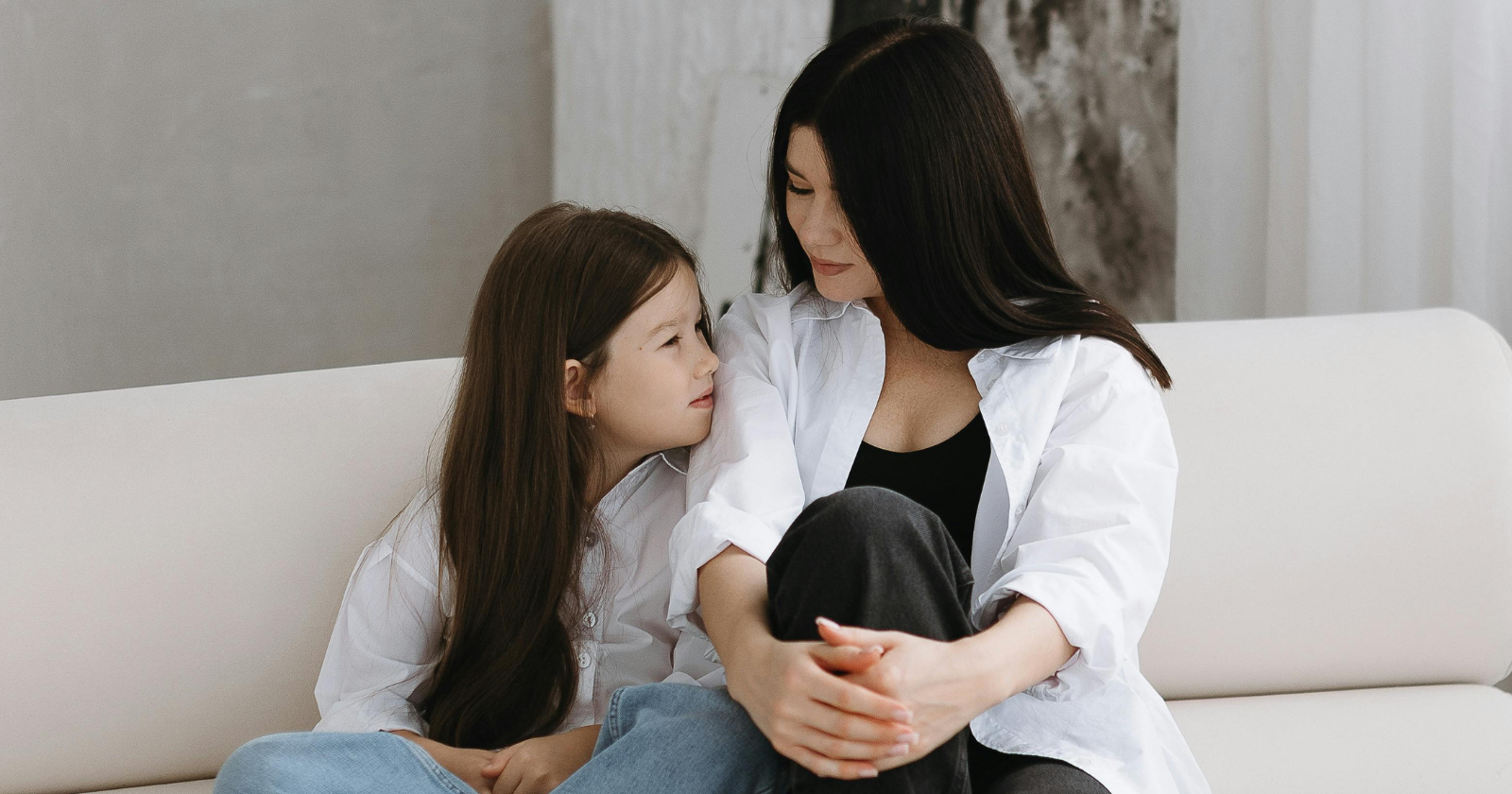
You know that awkward moment at family gatherings when your toddler hides behind your legs while Aunt Margaret waits with open arms? Last Thanksgiving, I watched my two-year-old press his face into my jeans as relatives lined up for their “hello hugs.” My stomach twisted as I heard the familiar chorus: “Come on, sweetie, give Grandma a kiss!”
For years, I’d gently pried little fingers from my legs and nudged my kids forward with apologetic smiles. But that day, something shifted. Maybe it was the look of genuine distress on my son’s face, or maybe I’d finally had enough of prioritizing adult feelings over my children’s comfort. Either way, I decided right then: no more forced affection.
The decision wasn’t easy. Growing up in a small Midwest town with traditional parents, physical affection with relatives was non-negotiable. You hugged everyone, kissed cheeks, and sat on laps whether you wanted to or not. It was considered basic manners, and refusing meant you were rude or poorly raised.
But here’s what I’ve learned: teaching kids they have control over their own bodies might be one of the most important lessons we can give them.
1) My kids learned to trust their instincts
Remember being told to ignore that uncomfortable feeling in your stomach because “it’s just Uncle Bob” or “don’t be silly”? I do. And I realized I was about to pass that same message to my kids.
Once we stopped forcing hugs, something beautiful happened. My five-year-old started articulating her feelings more clearly. “Mom, I don’t feel like hugging today, but I can wave!” She was learning to honor her internal compass while still being polite.
Kids have incredible instincts about people and situations. When we override those instincts with forced physical contact, we’re essentially telling them their feelings don’t matter. We’re teaching them to ignore their gut reactions for the sake of social convenience.
My daughter now confidently offers alternatives when she’s not feeling huggy. High-fives, waves, or even blowing kisses have become her go-to moves. And you know what? Most relatives are totally fine with it once they understand.
2) Boundaries became easier to teach
How can we expect our kids to say no to unwanted touch from anyone if we’ve spent years telling them they don’t get a choice with family? This question kept me up at night.
Teaching consent starts way earlier than we think. Every time I forced my kids to hug someone, I was undermining future conversations about personal boundaries. Now, we talk openly about how their body belongs to them, and nobody has the right to touch them without permission.
This has made other conversations so much easier. When my daughter’s friend kept tickling her after she said stop, she knew exactly what to do. She moved away and firmly said, “I don’t like that. Please don’t touch me.” Would she have had that confidence if I’d spent years overriding her “no” at family gatherings? I doubt it.
Related Stories from The Artful Parent
- A clinical psychologist explains that today’s parents give children more freedom, more voice, and more emotional validation than any generation before them, and the children are more anxious than ever — not because freedom is harmful, but because a child’s brain was never designed to carry the weight of unlimited choice before it can carry a conversation
- Most people assume the grandmother who keeps calling even when nobody picks up is lonely — they don’t realize she’s doing the only thing she knows how to do with love that no longer has anywhere to land
- The hardest lesson of parenthood doesn’t arrive when your children are small, it arrives when they’re grown and you hear yourself described through their memories — because the parent you thought you were and the parent they experienced are almost never the same person, and sitting with that gap is the real work of later life
Even my two-year-old is learning this concept. He might not have all the words yet, but he knows that when he shakes his head and steps back, I’ll respect that choice and help him navigate the social situation.
3) Family relationships actually improved
This might surprise you, but once we stopped forcing affection, my kids actually became more affectionate with certain relatives. Without the pressure, they could approach relationships on their own terms.
My daughter now runs to hug her favorite uncle every time she sees him. Why? Because she genuinely wants to, not because she has to. Their relationship has blossomed into something authentic and special. She tells him stories, shows him her drawings, and yes, gives him the biggest hugs.
The relatives who initially seemed hurt by the “no forced hugs” rule came around when they saw the difference. My mother admitted she never thought about it from the kids’ perspective. Now she opens her arms and says, “Would you like a hug?” If the answer is no, she smiles and says, “That’s okay! How about you tell me about your day instead?”
This shift has created deeper connections. Relatives have had to find other ways to bond with my kids, leading to more meaningful interactions. Instead of a quick squeeze and release, they’re playing games, reading books, and having actual conversations.
4) I had to deal with my own discomfort
Can we talk about how hard it is to stand there while your mother-in-law looks expectantly at your child for a hug that isn’t coming? The awkwardness is real, and I’ve had to develop a thick skin.
At first, I felt like I needed to over-explain and apologize. “Sorry, we’re working on boundaries… he’s tired… she’s going through a phase…” But constantly justifying my parenting choices was exhausting. Now I simply say, “We’re teaching the kids they can choose how to greet people. Would a high-five work?”
Some relatives have made comments about kids today being “too sensitive” or how “we never had a choice growing up.” That’s exactly the point, I want to tell them. We’re trying to do better. But I usually just smile and change the subject.
The hardest part? Dealing with my own conditioning. Part of me still cringes when my child refuses a hug from Grandma. That little voice says, “You’re being difficult. Just make them hug her.” But then I remember why we’re doing this, and I stand firm.
5) Consent became a natural conversation
What started as a decision about hugging relatives has evolved into ongoing conversations about consent in all areas of life. We talk about asking before taking toys, checking if friends want to play certain games, and respecting when someone needs space.
My five-year-old now asks her little brother, “Can I hug you?” before bedtime snuggles. Sometimes he says yes, sometimes no. She’s learning that love doesn’t require physical touch and that respecting boundaries actually strengthens relationships.
These conversations happen naturally now. When we’re reading books and a character doesn’t listen to “stop,” we pause and discuss it. When friends come over, we talk about how everyone gets to decide what happens to their body. It’s becoming part of our family culture.
Final thoughts
If you’re considering making this change, know that it won’t always be comfortable. You might face pushback from family members who see it as disrespectful or unnecessary. Some might take it personally when your child refuses affection.
But here’s what I’ve discovered: raising kids who understand consent and feel empowered to set boundaries is worth every awkward moment. My children are learning that their feelings matter, their comfort is important, and they have agency over their own bodies.
They’re also learning empathy. When someone doesn’t want to hug them, they understand that it’s not personal. They’re developing emotional intelligence and respect for others’ boundaries too.
Start small if you need to. Maybe offer choices: “Would you like to hug Grandma, give a high-five, or wave?” Support your child’s choice, whatever it is. And remember, you’re not raising kids to be compliant; you’re raising them to be confident, respectful humans who understand consent.
The relatives who truly love your children will come to understand. And those who don’t? Well, maybe that’s exactly why your kids’ instincts are telling them to keep their distance.
