

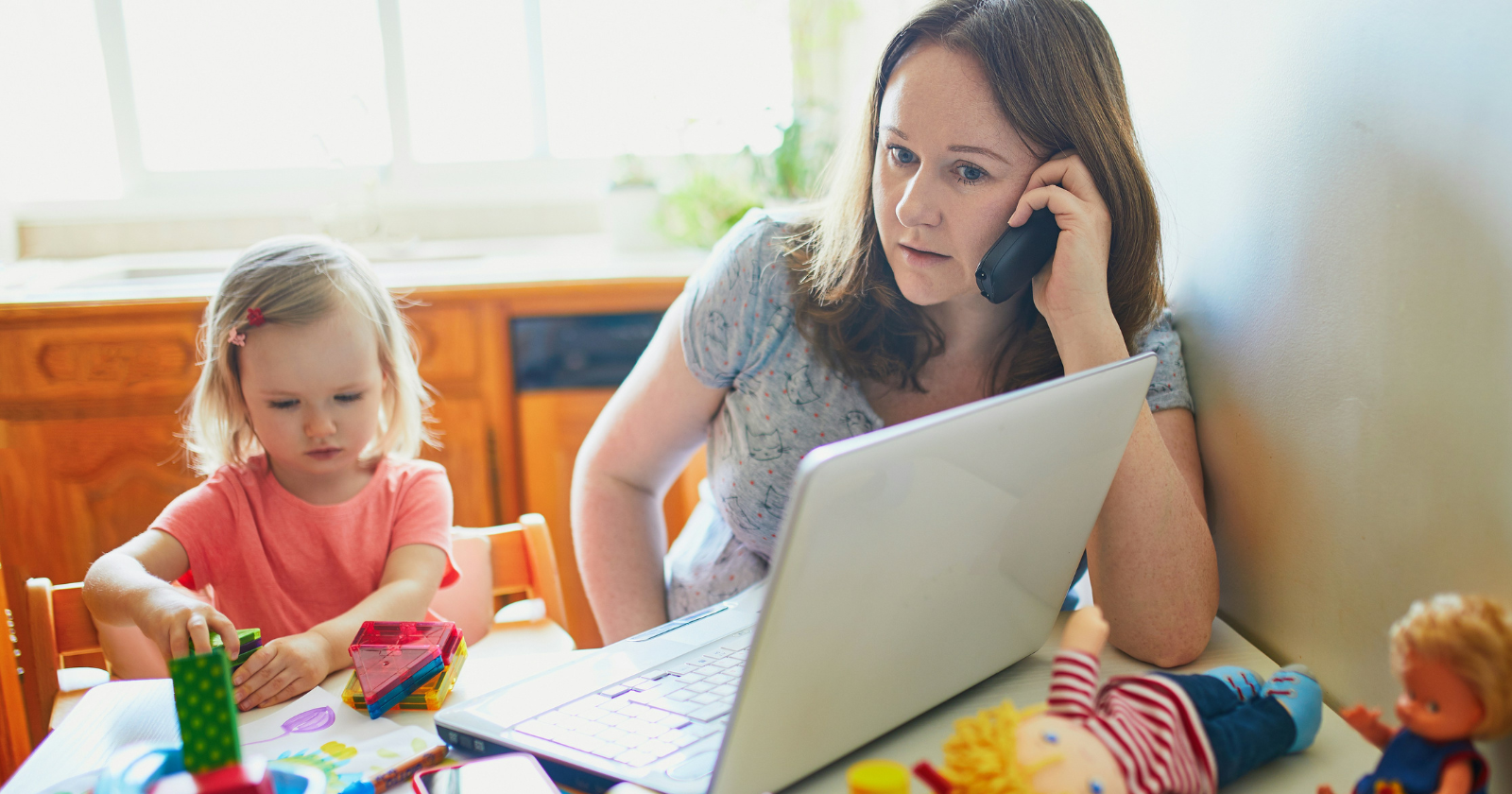
Last Tuesday, I found myself crying in the pantry while my kids ate cereal for dinner. Again.
Not because anything terrible had happened, but because I’d snapped at my daughter for asking if we could paint, forgotten to pack my son’s lovey for daycare, and couldn’t remember the last time I’d done something just for me.
If you’re reading this with a knot in your stomach because it sounds familiar, you’re not alone. After my second was born, I struggled with postpartum anxiety and pushed through way longer than I should have before getting help.
Now I recognize the signs better, and I want to share them with you.
Parental burnout is real, and it’s more common than we talk about. Research shows it can affect our physical health, our relationships, and yes, our ability to parent the way we want to. The tricky part? When you’re in it, it’s hard to see clearly.
So let’s get honest. If you can answer yes to at least five of these questions, it might be time to reach out for support.
1. Do you feel like you’re constantly running on empty, even after rest?
Remember when a good night’s sleep actually made you feel refreshed? When you’re burnt out, eight hours of sleep (ha, as if) still leaves you exhausted. Your body might be resting, but your mind keeps spinning through tomorrow’s schedule, that thing you forgot to do, whether your toddler is getting enough vegetables.
I noticed this after my youngest was born. Even when he started sleeping through the night, I’d wake up feeling like I’d run a marathon. My therapist explained that chronic stress keeps our nervous systems in overdrive. We literally forget how to truly rest.
Physical exhaustion that doesn’t improve with rest is one of the clearest signs of burnout. Your body is trying to tell you something.
2. Have you lost interest in activities you used to enjoy?
When was the last time you did something you love? Not something productive or necessary, but something that brings you joy?
I used to love gardening with my kids, teaching them about different plants and watching their faces light up when something sprouted. Lately? The garden feels like another chore, another thing that needs watering and weeding and attention I don’t have.
Related Stories from The Artful Parent
- I’m 65 and I stopped arguing politics with my daughter three years ago — not because I gave up on her, but because I finally understood that protecting our relationship mattered more than being right about things neither of us can control
- Psychology says the hardest part of watching your parents age isn’t the physical decline – it’s the moment you realize they’ve started performing competence the same way you performed adulthood when you first moved out, and you’re both pretending not to notice the act
- Psychology says people others describe as ‘easy to talk to’ aren’t being casual — they’re performing one of the hardest social skills that exists
If hobbies, friendships, or activities that once filled your cup now feel like obligations, that’s burnout talking. It strips the color from life, leaving everything feeling flat and overwhelming.
3. Are you more irritable than usual with your kids?
Yesterday my daughter asked me the same question three times while I was trying to make lunch. By the third time, I practically barked at her. The look on her face broke my heart.
We all lose our patience sometimes. But when every small request feels like nails on a chalkboard, when you’re snapping over spilled milk (literally), when bedtime can’t come fast enough every single day, your nervous system is overwhelmed.
Kids are naturally demanding. They’re supposed to be. But when normal kid behavior consistently triggers intense irritation, it’s not about them being “too much.” It’s about our capacity being depleted.
4. Do you fantasize about escaping or being alone more than usual?
Ever find yourself sitting in the Target parking lot, not wanting to go home? Or volunteering for the grocery run just to have an hour alone?
There’s a difference between needing occasional breaks (healthy and normal) and constantly wanting to escape your life. When every moment with your kids feels suffocating, when you’re counting minutes until bedtime starting at breakfast, that’s not just needing me-time.
- Gary Vaynerchuk says bloggers who obsess over monetization before audience-building are making a fatal mistake - The Blog Herald
- The people’s opera: what a 2009 Twitter experiment reveals about audience-led content - The Blog Herald
- How to protect your personal brand on social media as a blogger - The Blog Herald
I used to imagine getting in the car and just driving. Not forever, just… away. For a while. The guilt that followed these thoughts was almost as exhausting as the burnout itself.
5. Have you been getting sick more often?
Since September, our family has passed around every bug imaginable. But I noticed I’m taking longer to recover, and sometimes I get sick when no one else does.
Chronic stress wreaks havoc on our immune systems. Frequent colds, headaches that won’t quit, stomach issues, mysterious aches and pains – your body is waving red flags. When we’re burnt out, our bodies literally can’t fight off illness the way they normally would.
6. Do you feel disconnected from your kids?
This one hurts to admit. Sometimes I look at my children and feel… nothing. Not the warm, fuzzy, overwhelming love I’m “supposed” to feel. Just numbness. Or worse, resentment.
Going through the motions without feeling present, struggling to engage in play, feeling like you’re watching your life from outside your body – these are signs of emotional exhaustion. You’re not a bad parent. You’re a depleted human.
7. Are you struggling with guilt and feeling like you’re failing?
The mom guilt is real, friends. Some days I give in to screens because I just can’t engage in another round of pretend play. Then I lie awake feeling terrible about it.
When you’re burnt out, everything feels like failure. The house is messy. Dinner is cereal again. You forgot library day. The guilt becomes a constant companion, whispering that everyone else is doing this better.
8. Have you stopped taking care of yourself?
When did you last shower without rushing? Eat a meal while it was still hot?
Self-care isn’t just face masks and bubble baths (though those are nice). It’s basic human maintenance. When you’re surviving on coffee and goldfish crackers, when you can’t remember your last dental appointment, when getting dressed feels monumental, burnout has taken over.
9. Do you feel alone, even when surrounded by people?
You can be surrounded by family and still feel utterly isolated. Burnout creates walls between us and others. We’re too tired to reach out, too overwhelmed to maintain friendships, too ashamed to admit we’re struggling.
I stood at a playground last week, surrounded by other parents, feeling like I was on a different planet. Everyone else seemed to have it together while I was barely holding on.
Finding your way back
If you said yes to five or more of these, please know this: asking for help isn’t giving up. It’s giving your kids the gift of a parent who’s taking care of themselves.
After my second was born and I finally got help for postpartum anxiety, I learned that burnout doesn’t make you weak or ungrateful. It makes you human. Therapy taught me that I can’t pour from an empty cup, no matter how hard I try.
Start small. Ask your partner to take bedtime duty once a week. Text that friend who offered to help. Look into therapy or support groups. Let the dishes sit and take a walk. Order takeout without guilt.
Recovery isn’t linear, and it doesn’t happen overnight. Some days you’ll feel better, others you’ll be back in the pantry crying. That’s okay.
Your kids don’t need a perfect parent. They need a real one who shows them it’s okay to struggle and important to ask for help. By taking care of yourself, you’re teaching them something valuable about resilience and self-compassion.
You’re not alone in this. And it does get better, I promise.
