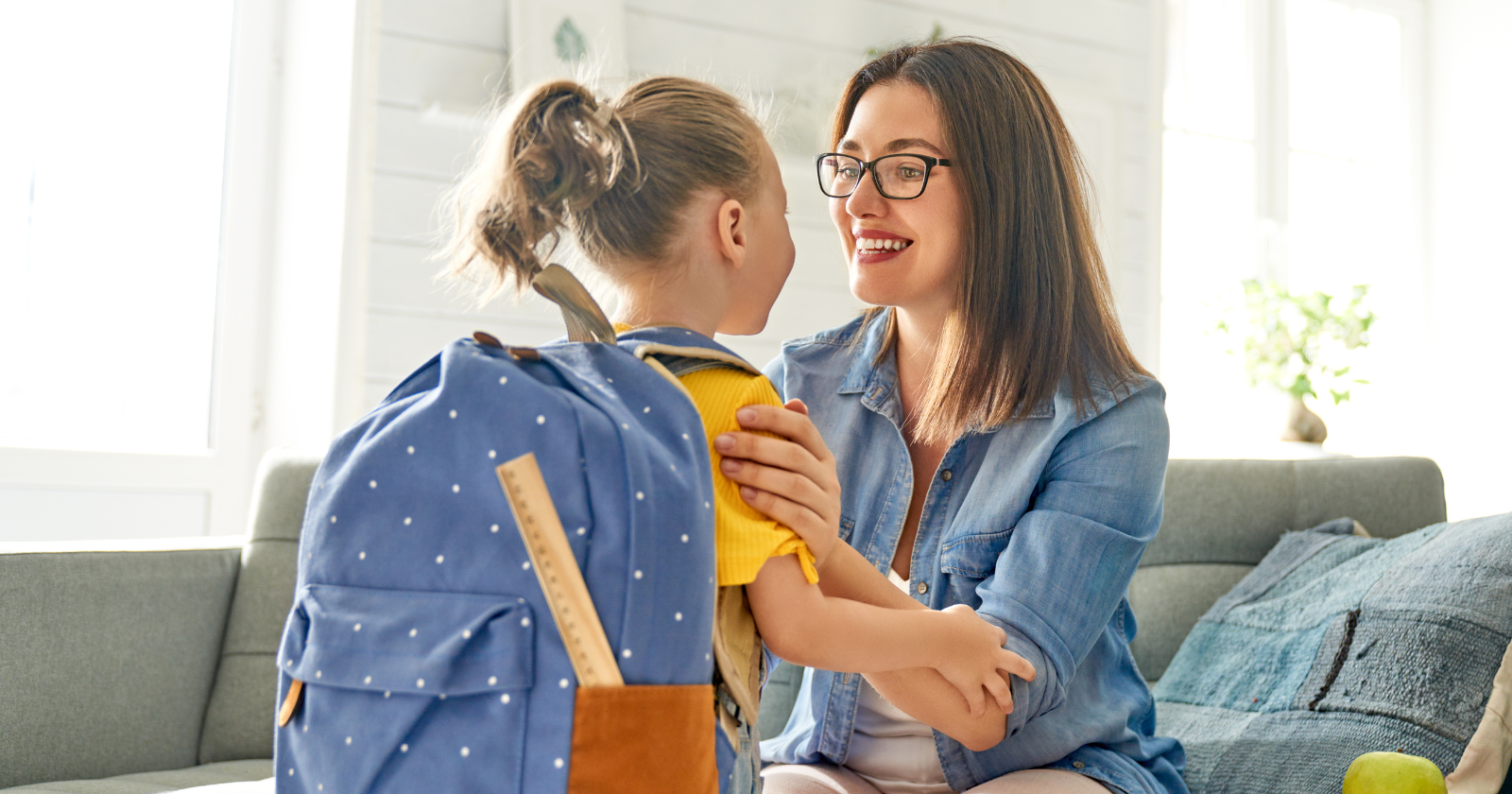
Last week, I watched my five-year-old struggle with the zipper on her rain jacket for a solid three minutes. My instinct was to swoop in and help, but something made me pause. She huffed, adjusted her grip, and finally got it. The look of pure triumph on her face? Worth every second of biting my tongue.
That moment got me thinking about all the little victories we miss when we jump in too quickly. After seven years teaching kindergarten before having my own kids, I’ve seen both sides of this coin. Some children arrive at school unable to open their own lunch boxes, while others confidently navigate tasks that surprise even me.
So how do we know if we’re getting this balance right? If your kids can handle these eight things on their own, you’re probably doing better than you think.
1. They can entertain themselves without screens
Remember when boredom was just part of childhood? These days, it feels like we’re expected to be constant entertainers. But here’s what I’ve noticed: kids who can create their own fun develop incredible imaginations and problem-solving skills.
My two-year-old recently spent twenty minutes making “soup” with pinecones and water in an old pot. Was it messy? Absolutely. But watching him narrate his cooking show to nobody in particular reminded me that kids don’t need much to spark joy.
Try this: next time your child complains about being bored, resist the urge to offer solutions. Let them sit with that feeling for a bit. You might be amazed at what they come up with. Building blanket forts, creating obstacle courses, or inventing games with random household items all count as wins here.
2. They can handle basic hygiene routines
This one varies by age, obviously. But if your preschooler can wash their hands properly, brush their teeth (even imperfectly), and attempt to comb their hair, you’re on the right track. For older kids, add showering independently and remembering deodorant to the list.
What matters isn’t perfection but the attempt. My daughter’s ponytails look like modern art some days, but she did it herself. That independence builds confidence in ways that perfect hair never could.
3. They can express their feelings with words
“Use your words” might be the most repeated phrase in our house, right after “where are your shoes?” But seriously, kids who can articulate their emotions instead of just melting down have a huge advantage in life.
I learned this teaching kindergarten: the kids who could say “I’m frustrated because…” or “I feel sad when…” handled conflicts so much better than those who only knew how to express feelings through behavior.
Start small. When emotions run high, try “tell me more” or simply “I’m listening.” Sometimes just naming the feeling helps: “You seem really disappointed about leaving the park.” It takes practice, but eventually, they’ll start doing this on their own.
4. They can make simple snacks or meals
No, your four-year-old doesn’t need to cook dinner. But can they pour cereal? Make a peanut butter sandwich? Get themselves a glass of water? These small acts of independence matter more than you might think.
Last month, I overslept on a Saturday (miracle!), and came downstairs to find my five-year-old had gotten herself breakfast. Sure, there was milk on the counter and cereal on the floor, but she handled it. She was so proud telling me how she used the step stool and “didn’t even spill that much.”
5. They can complete age-appropriate chores
Chores aren’t just about helping around the house. They’re about understanding that everyone contributes to making a household run. Can your kids put dirty clothes in the hamper? Feed the pet? Set the table? Water plants?
The key word here is “complete.” Not perfectly execute, but finish the task without constant reminders. My little ones have been sorting silverware from the dishwasher since they could walk steadily. Is every fork in the right slot? Nope. But they’re learning responsibility and feeling like valuable family members.
6. They can navigate small social conflicts
This is huge. Can your child work through disagreements with friends or siblings without adult intervention every single time? I’m talking about the small stuff here: who gets the red crayon, whose turn it is on the swing, minor fairness disputes.
During my teaching years, I watched countless playground negotiations. The kids who could compromise, take turns, or find creative solutions without tattling constantly? Those were the ones who built lasting friendships. They understood that not everything needs a referee.
Of course, we step in for safety issues or repeated problems. But letting kids figure out that sharing the wagon or taking turns with the favorite toy builds crucial life skills.
7. They can handle disappointment gracefully
Notice I said “gracefully,” not “perfectly.” Kids need to feel disappointment; it’s how they build resilience. But can they move through it without the world ending?
Your child doesn’t get picked for the team they wanted. The playdate gets cancelled. The ice cream shop is out of their favorite flavor. These moments sting, but kids who can acknowledge the disappointment and then pivot show incredible emotional maturity.
This doesn’t mean they don’t cry or feel upset. It means they can experience those feelings and then figure out what comes next. Maybe it’s choosing a different flavor, making new plans, or finding the silver lining. The ability to bounce back from life’s small disappointments prepares them for bigger challenges ahead.
8. They can follow multi-step instructions
“Please go upstairs, brush your teeth, put on pajamas, and pick out a book.” Can your child handle this without you repeating each step or checking in constantly?
Following multi-step directions requires memory, focus, and executive function skills. It shows they can hold information in their mind and act on it independently. This translates directly to school success and, eventually, workplace competence.
Start with two-step instructions for younger kids and build from there. Celebrate when they remember all the steps, even if they do them in a different order than you expected.
Final thoughts
Here’s what I’ve learned from both teaching and parenting: our job isn’t to make life easy for our kids. It’s to prepare them for a world where they’ll need to solve problems, handle emotions, and navigate relationships on their own.
Every time we resist the urge to tie their shoes, solve their disputes, or entertain their every moment, we’re giving them a gift. We’re saying, “I believe you can handle this.” And more often than not, they prove us right.
Sure, it takes longer. Yes, there will be messes. And absolutely, you’ll have to sit on your hands sometimes to keep from jumping in. But watching your child master something independently? That pride on their face when they figure it out themselves? That’s how you know you’re raising them right.
The goal isn’t perfect kids who never struggle. It’s capable kids who know they can handle whatever comes their way. And if your children can do most of these eight things? You’re already there. Trust the process, trust your kids, and most importantly, trust yourself.