

Growing up, I remember watching my best friend pull crisp bills from her designer wallet every Friday afternoon.
Her parents handed her a weekly allowance that seemed enormous to my eight-year-old eyes.
Meanwhile, I’d stand there with empty pockets, wondering why my parents never gave me money just for existing.
It wasn’t until I became a parent myself that I understood what my parents were doing.
They weren’t being cheap or mean.
They were teaching me something those crisp bills never could.
When you grow up in a small Midwest town without much money, you learn different lessons.
My parents couldn’t afford to hand us cash every week, but looking back, what they gave us instead shaped who I am today.
And now, as I raise my own kids, I find myself passing along these same teachings.
1) Money comes from effort, not entitlement
Remember when you thought money grew on trees?
My wealthy childhood friends certainly seemed to believe it.
But in our house, every dollar had a story of work behind it.
My parents made it crystal clear: if you want something, you earn it.
No weekly handouts, no money for breathing.
Instead, we had a direct correlation between effort and reward.
Want to go to the movies? Better help with the garden this week.
Need new shoes? Time to take on extra chores.
- Research suggests people who write regularly — even in private journals no one will ever read — process emotional experience more completely than people who think through the same experiences without writing them down - The Blog Herald
- Why making mistakes might be your best engagement strategy - The Blog Herald
- From Digg to the DSA: how the fight for transparent social news grew up - The Blog Herald
This wasn’t punishment. It was preparation for real life.
I watch my five-year-old daughter now, carefully saving coins she earns from helping me sort recyclables.
She understands that money represents something tangible she did.
That’s a lesson no allowance could teach.
2) Creativity beats cash every time
When you can’t buy your way out of boredom, you get creative. Really creative.
We built entire worlds from cardboard boxes and old sheets.
A stick became a sword, a wand, a fishing pole.
Our backyard transformed into whatever we needed it to be that day.
My friends with allowances? They bought toys that entertained them for about five minutes before ending up in a pile.
These days, I watch my kids build forts from couch cushions and create art from leaves and twigs.
They don’t need the latest gadget because they’ve learned to see possibility in everything around them.
That resourcefulness will serve them long after any toy would break.
3) The difference between wants and needs
“Do you need it or do you want it?”
If I had a nickel for every time my mom asked me that question, I’d have had that allowance after all.
But seriously, this simple question taught me one of life’s most valuable lessons.
When you’re not getting regular pocket money, you learn to evaluate every potential purchase.
Is this essential? Can I live without it? Is there another way to get what I need?
My husband and I still use this principle.
We shop secondhand first for almost everything.
Why? Because we learned early that most “needs” are actually wants in disguise.
And most wants fade faster than you can say “buyer’s remorse.”
4) Delayed gratification is a superpower
You know what’s harder than waiting for Christmas when you’re a kid?
Waiting and saving for something you really want when all your friends can buy it immediately.
But that waiting taught me patience.
It taught me that the best things are worth working toward.
When you finally get that thing you’ve saved for, earned through your own effort, it means something.
You take care of it. You value it.
I see this with my two-year-old son already.
When he has to wait for something, when he has to be patient, he appreciates it more when it arrives.
That’s not deprivation.
That’s teaching him that good things come to those who wait and work.
5) Family contribution isn’t optional
In houses where kids get allowances, chores often become transactional.
Take out trash, get paid. Clean room, get paid.
But what happens when the kid decides the payment isn’t worth the work?
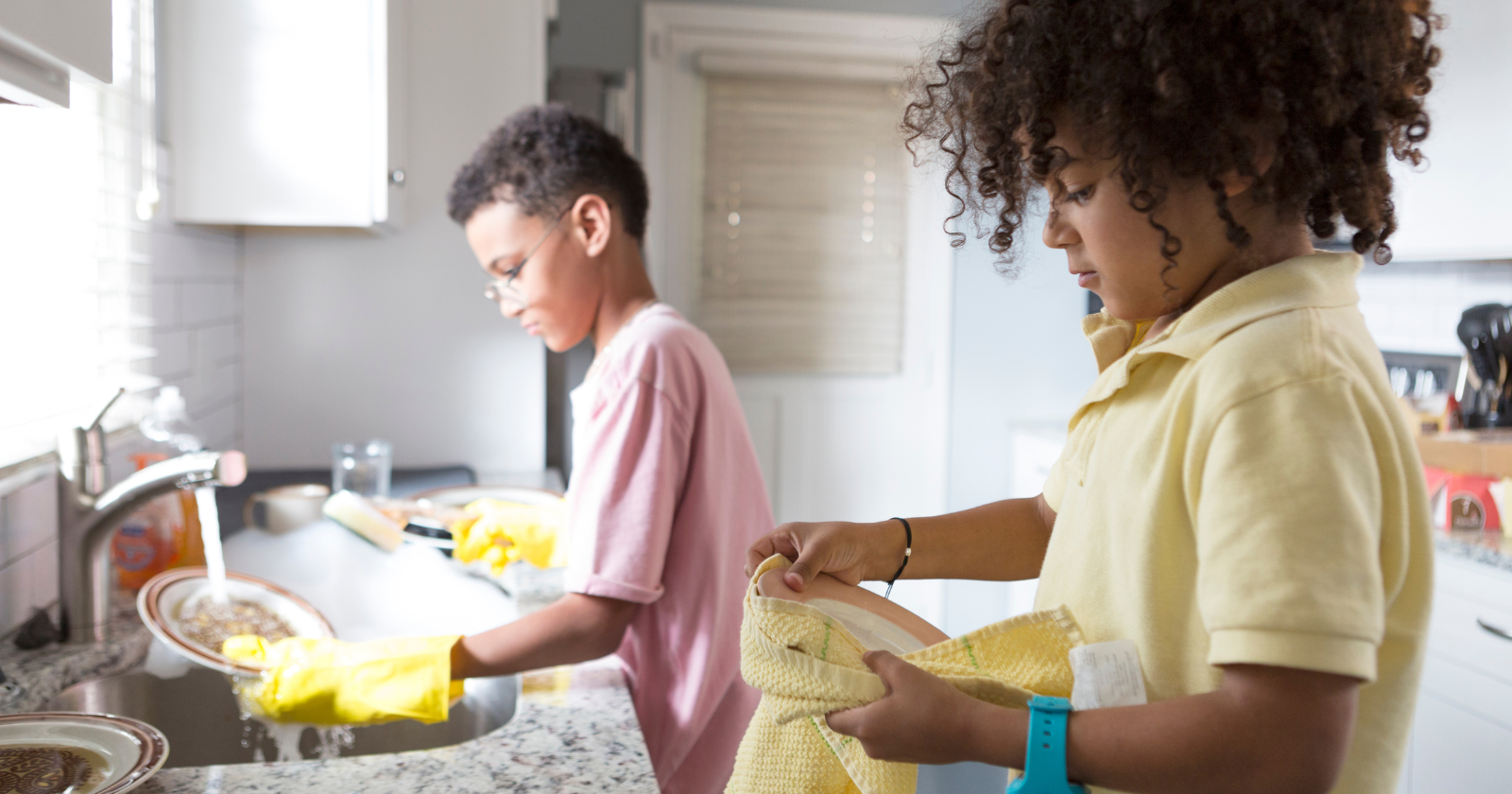
In our house, contributing wasn’t about money.
It was about being part of something bigger.
We all lived there, we all made messes, we all ate the food.
So we all pitched in.
Period.
This taught us that some things you do because they need doing, not because someone’s paying you.
You contribute because you’re part of a community, a family, a team.
6) Real security comes from skills, not savings
While other kids were learning to manage their allowance money, we were learning to grow food, fix things, make do, and make our own fun.
My parents taught us that real security doesn’t come from having money in your pocket.
It comes from knowing you can handle whatever life throws at you.
Can you grow your own vegetables? Fix a hem? Cook a meal from whatever’s in the pantry?
These skills are worth more than any savings account.
Every summer, our garden provided not just food but lessons in patience, hard work, and the miracle of turning seeds into sustenance.
These days, my kids help me in our garden, learning the same lessons about self-sufficiency that served me so well.
7) Gratitude is everything
When you don’t get regular money just for being you, you appreciate what you do receive differently.
Every birthday gift, every unexpected treat, every small luxury becomes special.
You don’t take things for granted because you know they’re not guaranteed.
This gratitude shapes how you see the world.
I make many of our holiday and birthday gifts now, not just to save money but to pass on this appreciation for thoughtfulness over price tags.
My kids light up over handmade treasures in ways store-bought items never quite match.
8) Community over competition
Without money to compete with, we learned to share instead.
If one kid had a bike, we all took turns.
If someone’s mom made cookies, we all got some.
We learned that pooling resources made everyone richer.
This wasn’t some utopian fantasy.
It was practical survival.
And it taught us that relationships matter more than possessions, that sharing multiplies joy, and that the best memories rarely cost money.
The lesson that matters most
Looking back, I realize my parents gave me something more valuable than any allowance.
They gave me resilience, creativity, and the confidence to know I can thrive regardless of what’s in my wallet.
Sure, learning to manage money is important.
But learning to manage life without depending on money? That’s priceless.
My kids might not get regular allowances either.
Some might judge me for that.
But when I see them turning cardboard into castles, sharing their treasures with friends, and finding joy in simple things, I know they’re learning what really matters.
Those upper-class kids with their allowances? Many of them grew up to be wonderful, successful people.
But us lower-middle-class kids? We learned to be resourceful, grateful, creative problem-solvers who know the value of hard work and community.
And honestly? I wouldn’t trade those lessons for all the allowance money in the world.
