
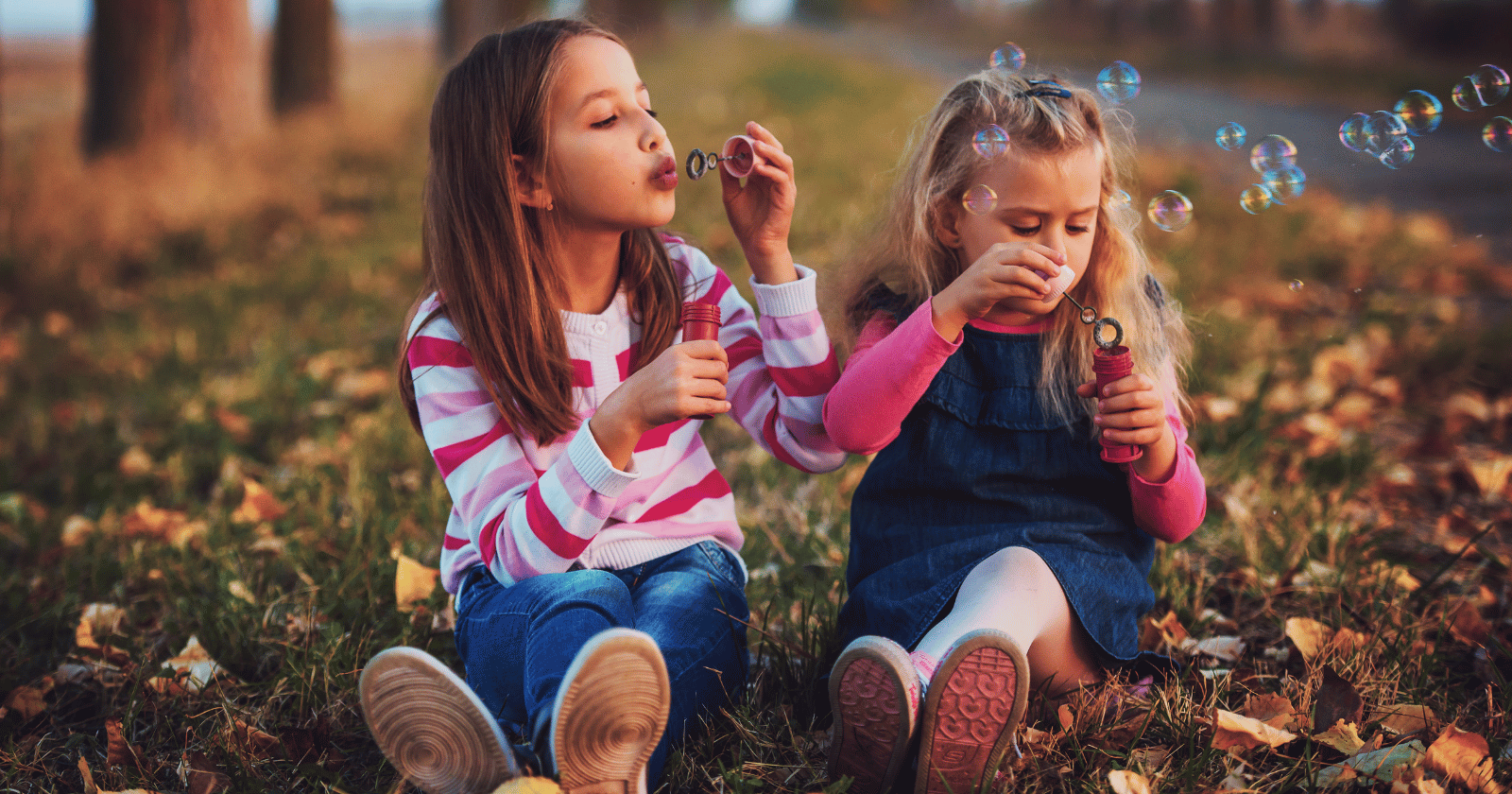
I spent way too long last week scrolling through photos of elaborate playrooms. Custom reading nooks. Sensory bins that looked like they belonged in a children’s museum. By the time I closed my phone, I felt like I was failing my kids because their play corner is a basket of blocks and some hand-me-down figurines.
Then Elise asked me to tell her a story about when I was little. Not a book. Just me, talking. She curled into my side and listened like I was sharing state secrets.
And I remembered something important: the stuff fades. The feeling of being seen, being with, being part of something safe and warm? That’s what sticks.
If you’ve ever felt like you’re not doing enough, buying enough, or creating enough magic, take a breath. The research backs this up, and so does lived experience. Here are nine things your kids will actually remember, and none of them require a credit card.
1) The way you greeted them
Think about how it feels when someone’s face lights up the moment you walk into a room. That’s what your kids notice. Not every time, not perfectly, but often enough that they know: when I show up, I matter.
I try to put my phone down when Elise comes running after preschool. It doesn’t always happen. But when it does, when I crouch down and say “Hey, you’re back!” like I actually mean it, she beams. That’s a deposit in the emotional bank account that no toy can match.
As Dr. Becky Kennedy has noted, the way we greet our children sends a powerful message about their worth. It tells them they’re not an interruption. They’re the main event. You don’t need to be over-the-top. Just present. Just glad.
2) The rituals you kept
Kids are creatures of rhythm. They find comfort in knowing what comes next. And the rituals you build, even the tiny ones, become the architecture of their childhood memories.
In our house, Sunday mornings mean pancakes. Not fancy ones. Box mix, some frozen blueberries, and Julien banging a wooden spoon on his high chair tray. It’s chaotic and sticky and absolutely sacred. Elise talks about “pancake day” like it’s a national holiday.
These rituals don’t need to be elaborate. Maybe it’s a special handshake before school. A song you sing at bedtime. A walk around the block after dinner. What matters is the repetition, the predictability, the sense that some things in life are steady and sure. That’s what they’ll carry with them.
3) How you handled your own big feelings
Kids are always watching. Not just what we tell them to do, but what we actually do when we’re frustrated, overwhelmed, or just plain tired. They’re learning emotional regulation by watching us regulate, or not.
Related Stories from The Artful Parent
- 8 signs you’re raising an emotionally secure child even when it doesn’t feel like you know what you’re doing
- 9 things creative kids do that look like misbehavior but are actually signs their mind is working overtime
- The 8 messiest childhood activities are actually the ones building your child’s brain in ways screens never will
I’m not proud of every moment. I’ve snapped. I’ve sighed too loudly. But I’ve also started naming my feelings out loud. “I’m feeling really frustrated right now. I need a minute to calm down.” It feels awkward at first. But Elise has started doing the same thing, and that tells me something’s landing.
Research from the Yale Center for Emotional Intelligence shows that children develop emotional literacy largely through modeling. When we show them that big feelings are manageable, that we can pause and breathe and come back, we’re giving them a skill that lasts a lifetime.
4) The stories you told
Not the books you read, though those matter too. I’m talking about the stories from your own life. The ones about when you were small, when you messed up, when something funny happened that still makes you laugh.
Elise is obsessed with hearing about the time I got lost at a grocery store when I was five. I’ve told it a hundred times. She still asks for it. I think it helps her feel connected to me as a person, not just a parent. It makes me real.
Family storytelling has deep roots in human connection. It helps kids understand where they come from and who they’re part of. You don’t need to be a great storyteller. You just need to share. The messy, ordinary, sometimes embarrassing stuff is often the best material.
5) The way you spoke about their other parent
This one’s easy to overlook, but kids notice how we talk about the people they love. When I say something kind about Camille in front of the kids, when I thank her for something or laugh at her jokes, I’m showing them what respect looks like.
- The loneliest sound in a retired person’s house isn’t silence — it’s the refrigerator cycling on at 2pm because when the house is that quiet your brain starts cataloguing every mechanical sound just to confirm you’re still inside a life that’s running - Global English Editing
- I’m 66 and the biggest lesson I learned too late wasn’t about saving more money or traveling sooner – it was understanding that every time I said ‘I’m fine’ when I wasn’t, I was teaching people that my feelings didn’t require their attention - Global English Editing
- The toughest generation in history isn’t millennials navigating burnout or gen X surviving neglect — it’s the boomers who were handed a definition of resilience that meant you could break every bone in your body and still weren’t allowed to say it hurt - Global English Editing
It’s not about performing a perfect partnership. It’s about modeling that the people in our lives deserve to be spoken about with care. Even when we’re frustrated. Even when we disagree.
If you’re co-parenting across two homes, this matters even more. Kids feel caught in the middle when they sense tension. They feel free when they sense peace. The words you choose, especially the ones you think they’re not listening to, shape how safe they feel loving everyone in their life.
6) The times you played on their level
I’m not great at playing. I’ll be honest. Building block towers and pretending to be a dinosaur doesn’t come naturally to me. But I’ve learned that it doesn’t have to be long. It just has to be real.
Fifteen minutes on the floor, fully present, beats an hour of half-distracted supervision. When I get down on Elise’s level, when I let her lead the game and I just follow, something shifts. She feels seen. And I usually end up enjoying it more than I expected.
As noted by Dr. Lawrence Cohen in his work on playful parenting, play is a child’s primary language for connection and healing. You don’t have to be good at it. You just have to show up and be willing to be a little silly.
7) How you responded when they messed up
Spilled milk. Broken rules. Lies told out of fear. These moments are hard. But they’re also opportunities. What your child remembers isn’t the mistake. It’s what happened next.
Did you stay calm? Did you help them fix it? Did you make it clear that the relationship was still intact, even when you were disappointed? That’s what sticks.
I’ve been working on separating the behavior from the kid. “That was a bad choice” instead of “You’re being bad.” It’s a small shift, but it matters.
It tells them that messing up is part of being human, and that they’re still loved on the other side of it. That’s the kind of safety that builds resilience.
8) The things you noticed about them
Kids want to be known. Not just loved in a general sense, but seen for who they specifically are. Their quirks. Their interests. The things that make them, them.
Elise loves it when I remember small details. “You really like the purple cup, huh?” “I noticed you were brave at the doctor today.” These little observations tell her I’m paying attention. That she’s not just one of the kids. She’s Elise.
This is especially important as they get older. Adolescents might roll their eyes, but they still want to know that someone sees them clearly. The habit starts now, in the small moments. In the noticing.
9) That you were there
Not perfect. Not always patient. Not endlessly creative or infinitely energetic. Just there. Present in the room, in the routine, in the ordinary Tuesday evenings that don’t feel special but somehow are.
I think about this a lot on my work-from-home days. Julien naps in the carrier while I answer emails. Elise plays nearby, occasionally interrupting to show me a drawing. It’s not quality time in the Instagram sense. But it’s presence. It’s proximity. It’s the quiet message that says: I’m here, and I’m not going anywhere.
That’s what kids remember. Not the grand gestures, but the steady showing up. The way you were woven into the fabric of their days.
Closing thoughts
You’re not behind. You’re not failing because you didn’t build the Pinterest playroom or book the elaborate vacation. The things that matter most are free, and you’re probably already doing them.
Your presence. Your patience, even when it’s imperfect. The way you laugh at their jokes and hold them when they cry. The rituals and the stories and the quiet moments that don’t make it onto social media but make it into their hearts.
That’s the childhood they’ll remember. And you’re building it every single day.