

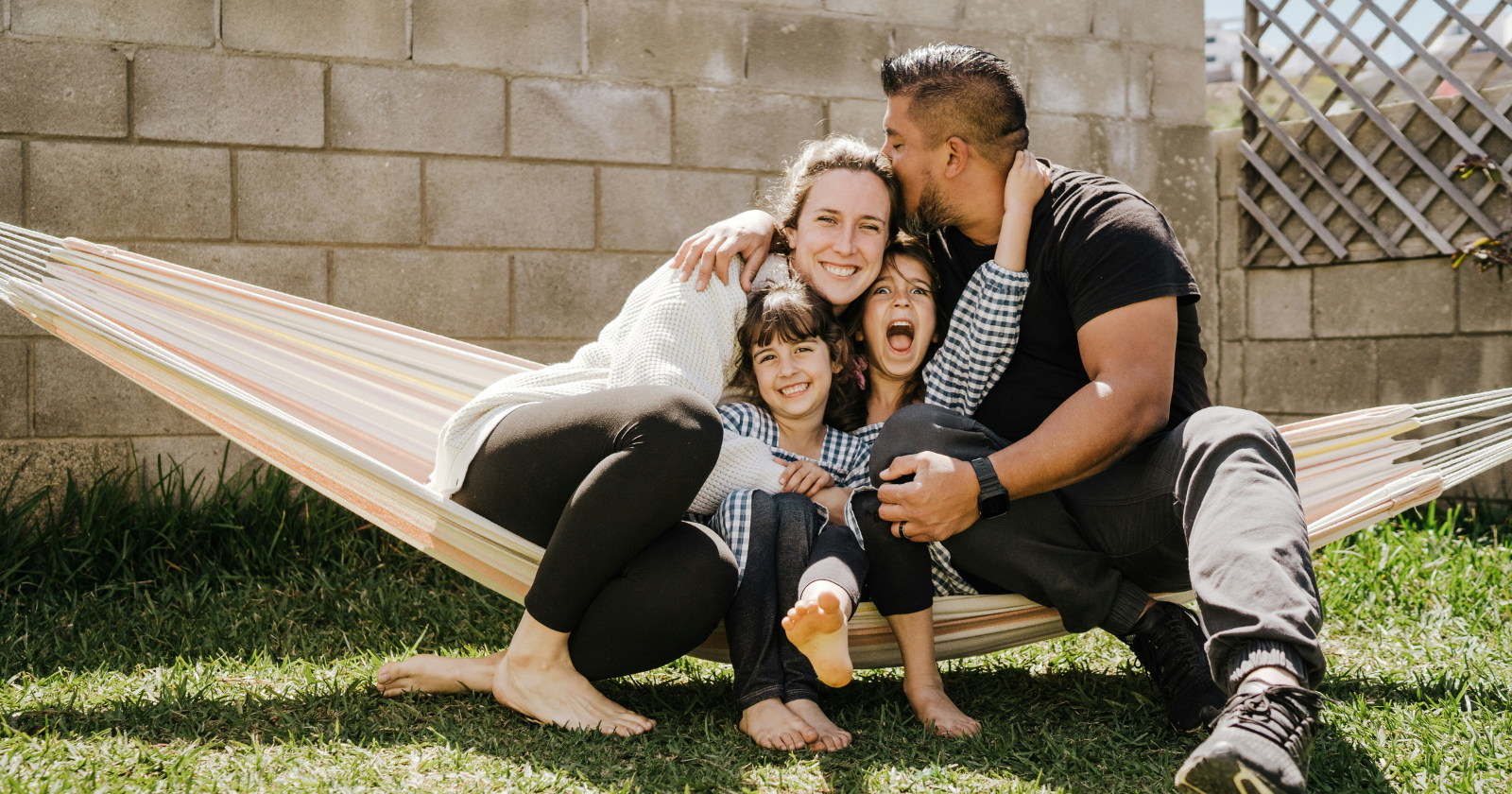
We spend so much energy wondering if we’re getting this parenting thing right. Are we patient enough? Present enough? Are we somehow messing them up in ways we won’t see until they’re adults in therapy talking about us?
Here’s something that shifted my perspective: the behaviors that sometimes make us feel like we’re failing can actually be signs that our children feel profoundly safe with us. When kids trust us with their messiest, most unfiltered selves, that’s not a parenting problem. That’s attachment working exactly as it should.
As Dr. Gordon Neufeld, a developmental psychologist, has noted, children need to feel safe enough to express their emotions without fear of losing our love. So if your kids do any of these nine things around you, take a breath. You’re doing better than you think.
1) They fall apart the moment you pick them up
You arrive at school or daycare and the teacher says your child was an angel all day. Then they see you, and within thirty seconds they’re crying about the wrong color cup or melting down because their sock feels weird.
This used to confuse me until I understood what it really means. All day, they’ve been holding it together in environments where they feel less secure. The moment they see you, their nervous system finally relaxes. You are their safe place to release everything they’ve been carrying.
It’s not that you bring out the worst in them. It’s that you’re the person they trust enough to stop performing for. That after-school meltdown? It’s actually a compliment, even when it doesn’t feel like one.
2) They tell you when they’re mad at you
“I don’t like you right now.” “You’re the worst mom ever.” “I wish I had a different family.” These words can sting, especially when you’re already exhausted and doing your best.
But a child who can express anger directly to you is a child who trusts that your love can handle their big feelings. They’re not worried you’ll abandon them or withdraw your affection. They know, somewhere deep down, that the relationship is strong enough to survive their honesty.
This doesn’t mean we let disrespect slide without conversation. But we can hold space for their feelings while also teaching them kinder ways to express frustration. The fact that they’re bringing their anger to you instead of hiding it or turning it inward? That’s emotional safety in action.
3) They ask questions that make you uncomfortable
Where do babies come from? Why did Grandpa die? What happens if you and Daddy stop loving each other? Why is that person’s body different?
When children bring their hardest, most awkward questions to us, they’re showing us something important. They believe we can handle the truth with them. They trust us to help them make sense of a confusing world without shaming them for their curiosity.
Related Stories from The Artful Parent
- 8 signs you’re raising an emotionally secure child even when it doesn’t feel like you know what you’re doing
- 9 things creative kids do that look like misbehavior but are actually signs their mind is working overtime
- The 8 messiest childhood activities are actually the ones building your child’s brain in ways screens never will
Research from Zero to Three emphasizes that children develop emotional intelligence when caregivers respond to their questions and feelings with openness rather than dismissal.
So even when you’re fumbling through an explanation of death or bodies or divorce, the fact that they asked you means they see you as a trusted guide. That matters more than having perfect answers.
4) They show you their failures and mistakes
The broken vase. The bad grade. The lie they told a friend. The accident they had even though they’ve been potty trained for years.
When kids bring their mistakes to us instead of hiding them, they’re demonstrating something powerful: they trust that our love isn’t conditional on their perfection. They believe that messing up won’t cost them their connection with us.
This is huge. So many adults struggle to admit mistakes because somewhere along the way, they learned that errors meant rejection or punishment.
If your child comes to you with their failures, you’ve given them something valuable. You’ve shown them that they’re more important than whatever they broke or botched. Keep being that safe place, even when you need to address the behavior itself.
- What veteran bloggers who stay happy and passionate years into their career have learned to let go of - The Blog Herald
- A 2005 warning that the blogging world ignored — and is still paying for - The Blog Herald
- The rise and quiet exit of MSN Spaces: what bloggers should still learn from it - The Blog Herald
5) They let you see them cry
Some children cry freely. Others hold back tears like they’re protecting a secret. If your child lets themselves be vulnerable in front of you, weeping openly when they’re hurt or sad or overwhelmed, they’re showing you their trust.
Crying in front of someone requires feeling safe enough to be seen in a raw state. It means they’re not worried about being told to toughen up or stop being dramatic. They believe you’ll meet their tears with compassion rather than criticism.
I remember my daughter sobbing in my lap after a hard day, and my first instinct was to fix it, to make the tears stop.
But sometimes the greatest gift we can give is simply staying present while they feel what they need to feel. Your calm presence during their storms teaches them that emotions are survivable and that they don’t have to face hard feelings alone.
6) They act younger than their age when they need comfort
Your five-year-old suddenly wants to be carried like a baby. Your seven-year-old asks you to feed them. Your tween crawls into your lap after a hard day at school.
This regression can worry us. Are they going backward? Is something wrong?
Usually, what’s happening is healthy. When children feel stressed or overwhelmed, they sometimes need to revisit an earlier stage of comfort. They’re essentially asking, “Can you still take care of me like you did when I was little? Am I still safe here?”
As noted by Dr. Deborah MacNamara, author of Rest, Play, Grow, this kind of regression is often a sign that a child feels secure enough to express their dependency needs. When we meet those needs without shame, we fill their cup so they can venture back out into the world feeling restored.
7) They disagree with you and push back on rules
The negotiations. The “but why?” that follows every boundary. The eye rolls and heavy sighs when you enforce a limit.
It’s exhausting, I know. But a child who pushes back is a child who feels safe enough to have their own opinions around you. They’re not afraid that disagreement will damage the relationship. They trust that you can handle their resistance without withdrawing your love.
This is actually healthy development. Children need to practice having a voice, setting boundaries, and advocating for themselves. Where better to learn those skills than with a parent who loves them unconditionally?
We can hold firm on important limits while still honoring their growing need for autonomy. The pushback means they see you as someone who can handle their emerging independence.
8) They tell you about their fears and worries
The monster under the bed. The fear that something bad will happen to you. The worry about fitting in at school or whether their friends really like them.
When children share their anxieties with us, they’re trusting us with the tender, scared parts of themselves. They believe we won’t minimize their fears or make them feel silly for having them.
This kind of sharing requires vulnerability. It means they see you as someone who will take their inner world seriously, even when their worries seem small from an adult perspective.
To a child, these fears are very real. When we listen without dismissing, we teach them that their feelings matter and that they don’t have to carry their worries alone. That’s a foundation they’ll carry into adulthood.
9) They come back to you for connection after conflict
You’ve had a hard moment. Maybe you lost your temper. Maybe they did. There was distance, tension, rupture.
And then, after some time passes, they seek you out. They climb into your lap. They ask for a hug. They want to tell you something funny that happened. They’re reaching back toward connection.
The Gottman Institute’s research shows that repair after conflict is one of the most important factors in healthy relationships. When children initiate that repair with us, or respond warmly when we initiate it, they’re demonstrating that they trust the relationship to survive hard moments.
They believe that conflict doesn’t mean the end of love.
This is perhaps the most beautiful sign of all. It means that even when things get messy between you, your child still believes in your bond. They still want to come home to you, emotionally speaking.
Closing thoughts
Parenting is humbling. We rarely feel like we’re nailing it. But maybe we’ve been measuring success by the wrong markers.
If your children bring you their tears, their anger, their fears, their failures, and their hardest questions, you’ve built something real with them. You’ve created a relationship where they don’t have to perform or pretend. They can just be, in all their messy, growing, human glory.
That doesn’t happen by accident. It happens because, day after day, you’ve shown up. You’ve stayed. You’ve loved them through the hard stuff.
So the next time your kid falls apart in your arms or tells you they’re mad at you or asks a question that makes you want to hide, remember what it really means. They feel safe with you. And that’s everything.
