

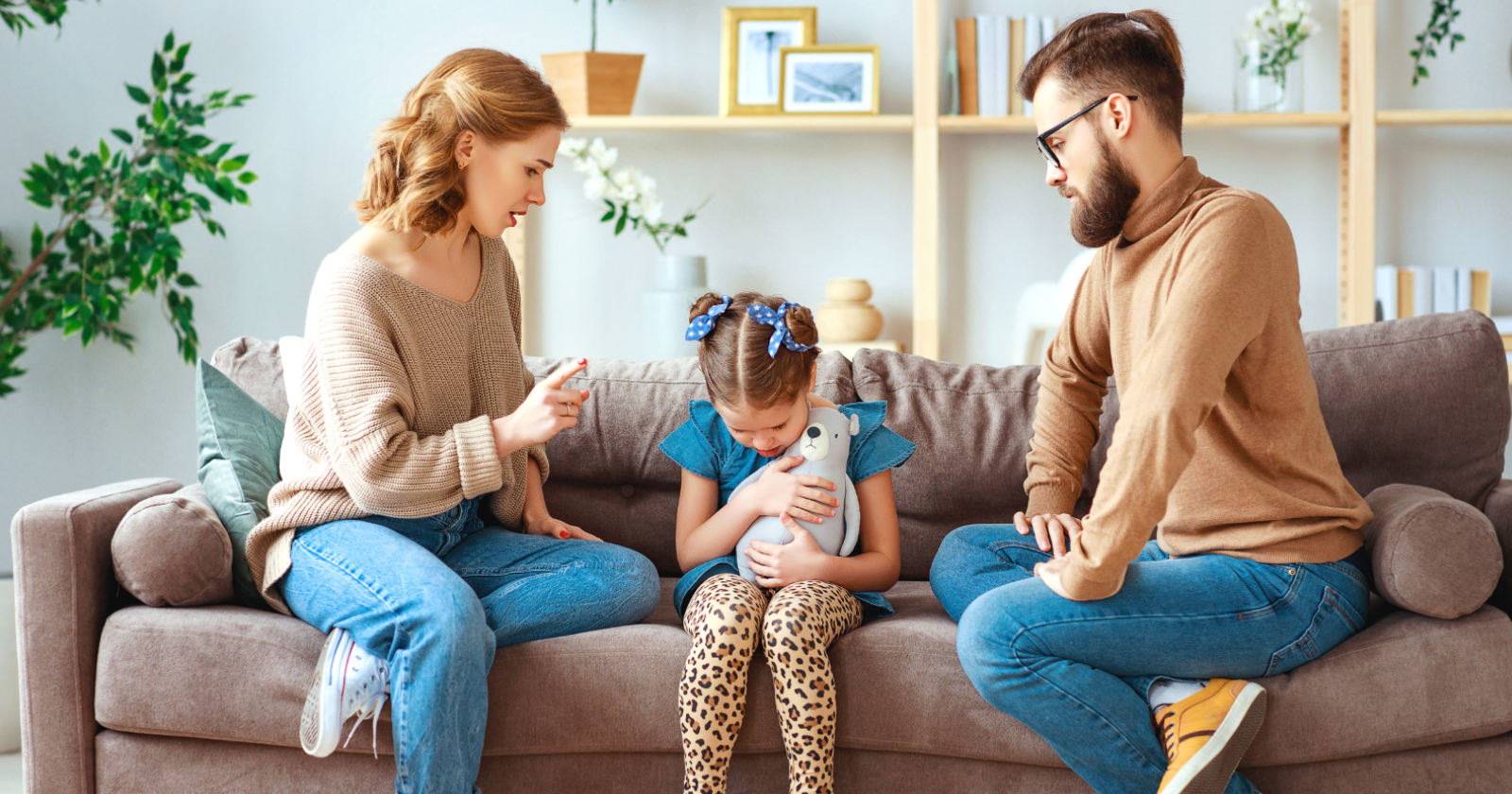
Ever catch yourself mid-sentence with your kids and think, “Oh wow, I sound exactly like my mother”? Then immediately clamp your mouth shut because you swore you’d never say those words?
I grew up in a small Midwest town where certain phrases were just part of the parenting handbook. My parents weren’t bad people. They loved us fiercely and did their best with what they knew.
But looking back now, as I navigate raising my own two little ones, I realize how many of those “normal” sayings from my childhood would never cross my lips today.
These phrases seemed perfectly reasonable back then. Everyone’s parents said them. Teachers said them.
Grandparents definitely said them. But somewhere between skinned knees and bedtime battles with my own kids, I’ve learned that the words we choose shape how our children see themselves and the world around them.
1) “Stop crying or I’ll give you something to cry about”
This one still makes me wince. When my 5-year-old daughter melts down because her tower of blocks collapsed, every instinct from my upbringing tells me to shut it down fast. But threatening more pain to stop current pain? That’s like putting out a fire with gasoline.
These days, when tears flow in our house, I sit down at their level and say, “Tell me more about what’s making you feel so sad.” Sometimes the real issue isn’t even about the blocks. Sometimes it’s about feeling frustrated or tired or missing daddy who’s at work.
Our kids need to know their emotions matter, even the messy ones. Especially the messy ones.
2) “Because I said so”
How many times did you hear this growing up? It was the ultimate conversation ender, the parental trump card that shut down any hope of understanding why you couldn’t stay up late or needed to eat those Brussels sprouts.
Don’t get me wrong, I’m not advocating for negotiating every single decision with a toddler. My 2-year-old doesn’t get to debate why he can’t run into traffic. But when possible, I try to give simple, honest explanations.
“We need to clean up our toys so nobody trips and gets hurt.” “We’re having an early dinner because we’re meeting friends at the park later.”
Related Stories from The Artful Parent
- Psychology says parents who constantly ask themselves ‘was I a good parent’ usually were — the ones who caused real damage rarely question themselves at all
- Parents who were raised in emotionally distant homes often repeat these 7 patterns with their own adult children without realizing it — and breaking the cycle requires admitting that love and obligation aren’t the same thing
- Psychology says feeling annoyed by your aging parents while simultaneously loving them isn’t a character flaw — it’s your nervous system responding to decades of unmetabolized family patterns that never got addressed
Kids are naturally curious. They’re trying to make sense of the world. When we help them understand the why behind our decisions, we’re teaching them critical thinking, not blind obedience.
3) “Wait until your father gets home”
This phrase turned one parent into the enforcer and the other into the everyday pushover. Growing up, my mom said this constantly, which meant dad walked through the door each evening to become the bad guy. No wonder he seemed stressed all the time.
In our house, we handle things as they come up. Natural consequences don’t wait for someone else to deliver them. If my son throws his snack on the floor, snack time is over. Simple. Clear. Immediate. No need to store up punishments like a squirrel hoarding acorns for winter.
Plus, I want my kids to see both their parents as whole people. Not good cop and bad cop, but two adults working together to guide them through life.
4) “You’re being too sensitive”
Remember being told your feelings were too much? Too dramatic? Too sensitive? I do. It taught me to stuff everything down until I practically vibrated with unexpressed emotions.
When my daughter cries because her friend didn’t want to play with her at preschool, my first instinct might be to minimize it. After all, kids play together and apart all day long. But to her, in that moment, the rejection feels enormous.
So instead of dismissing it, I acknowledge it. “That must have felt really lonely. I’m listening if you want to talk about it.”
We can’t teach our kids emotional regulation by telling them their emotions are wrong. We teach it by showing them how to sit with feelings, name them, and work through them.
5) “Big boys/girls don’t cry”
This one got drilled into me hard. By age seven, I’d learned that tears meant weakness, especially as I got older. The message was clear: Growing up meant shutting down.
But you know what? Big boys and girls absolutely cry. Adults cry. I cry when I’m overwhelmed or moved or exhausted. Tears are just one way our bodies process big feelings.
When my son falls and scrapes his knee, I don’t tell him to be brave. I say, “Ouch, that looks like it really hurt. Let’s take care of it together.” Bravery isn’t about not feeling. It’s about feeling everything and moving forward anyway.
6) “You’re okay, you’re fine”
How often did you hear this after a tumble or a scare? Adults rushing to reassure, to make the tears stop, to move things along. But when someone tells you you’re fine when you definitely don’t feel fine, it’s confusing and invalidating.
Now when my kids get hurt or scared, I pause. I watch. If they’re truly okay, they’ll pop back up and keep playing. If they’re not, they need acknowledgment first. “That was scary when you fell off the swing. How does your body feel?”
Sometimes they really are fine and just needed a moment to check in with themselves. Sometimes they need a hug and a band-aid. But they get to decide, not me.
7) “Children should be seen and not heard”
This old gem basically told kids their thoughts and voices didn’t matter. Sit still, stay quiet, don’t make waves. The perfect recipe for raising adults who struggle to speak up for themselves.
My parents ran a pretty traditional household where kids didn’t contribute to conversations unless asked directly. Now my own parents raise their eyebrows when my daughter interrupts adult conversation to share her thoughts about dinosaurs or rainbows or why the dog looks sad.
But here’s the thing: Kids have perspectives worth hearing. Sure, we teach polite ways to join conversations. We practice taking turns. But their voices matter just as much as ours.
Sometimes my daughter’s observations about the world stop me in my tracks with their wisdom. I would miss all of that if I demanded silence.
Finding our own way
My parents are slowly coming around to what they initially called my “hippie parenting.” They see how my kids can name their emotions, how they problem-solve, how they trust us with their fears and struggles.
It’s not perfect. Some days I slip and hear my mother’s words tumble out before I can catch them. But we’re learning together.
The truth is, our parents did the best they could with what they had. They were probably improving on what they heard growing up too. Each generation gets a chance to keep what works and gently set aside what doesn’t.
So when you catch those old phrases bubbling up, take a breath. Remember that you’re breaking cycles, one conversation at a time.
Your kids won’t need to unlearn these words. They’ll grow up knowing their feelings matter, their voices count, and crying is just part of being beautifully, messily human.
