
Last week at the farmers’ market, I ran into my daughter’s kindergarten teacher. We chatted about tomatoes and the upcoming field trip, and then she mentioned something that stopped me cold. “I love how you always pack those little notes in her lunchbox,” she said with a warm smile. “She saves every single one in her desk.”
I hadn’t realized anyone else knew about our morning ritual. It got me thinking about all the little windows into our family life that teachers witness every single day. After spending seven years on the other side of that classroom door before having my own kids, I can tell you that teachers pick up on way more than you might think.
They’re not judging (well, most aren’t), but they’re definitely noticing. And honestly? These observations help them understand and support your child better. So let’s talk about what those everyday moments are really revealing about your household.
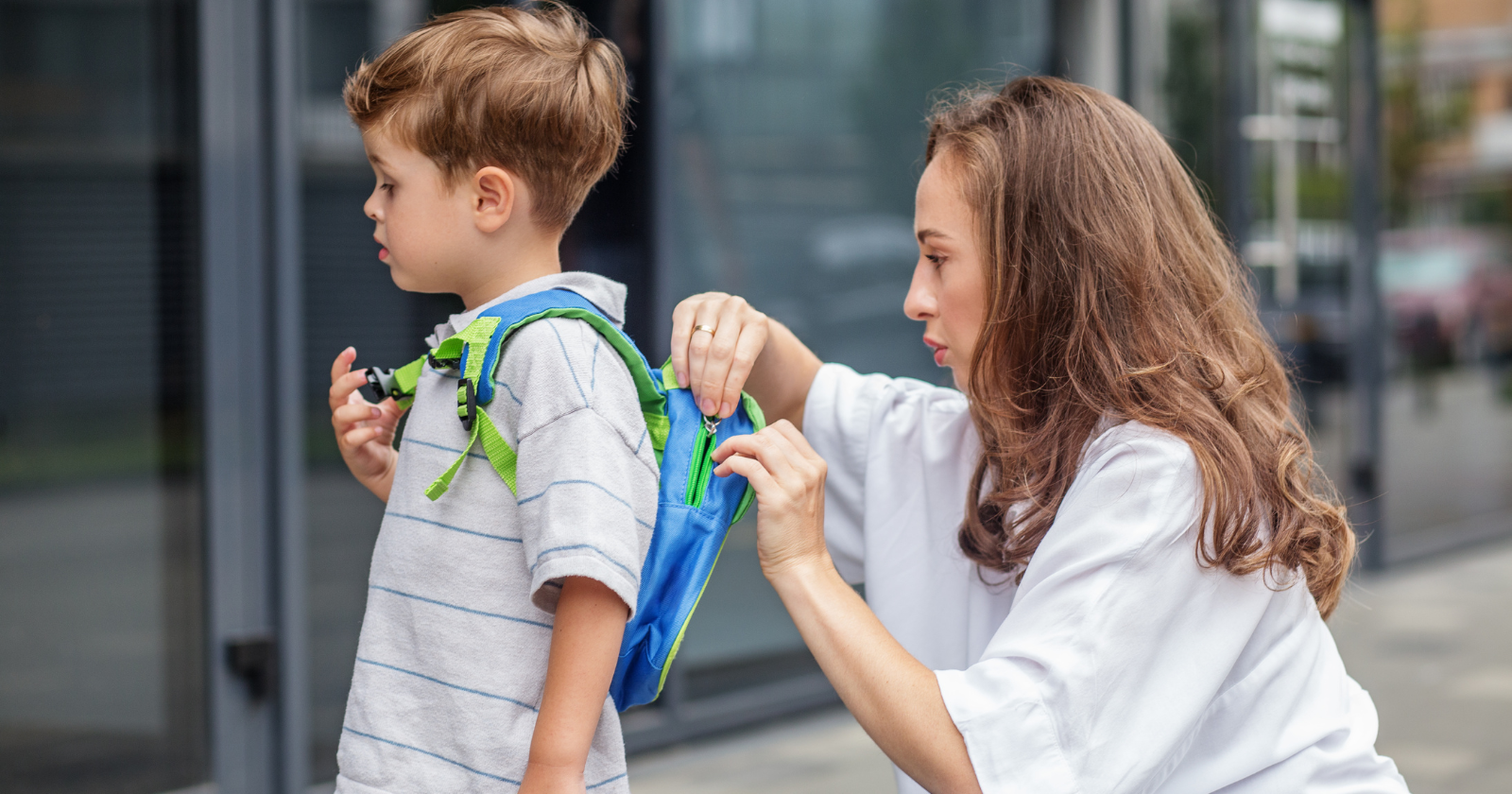
1) The morning drop-off tells your whole morning story
Remember when you thought you were being subtle about that rushed morning?
Your child’s teacher has already pieced together whether you’re a family that eats breakfast together or grabs granola bars in the car. The mismatched socks, the hastily signed permission slip, that slightly sticky face from the car seat snack? They paint a picture.
When I was teaching, I could tell which families had chaotic mornings versus structured ones just by watching drop-off. Kids who arrived frazzled often came from homes where mornings were a battle. Those who strolled in calmly? Their parents had probably built in buffer time. Neither is wrong, but teachers notice the pattern and adjust accordingly.
They might give your child extra settling time or know to check if homework got left in the car during the morning scramble.
2) Lunch contents reveal your food philosophy
That lunchbox is basically a daily newsletter about your family’s eating habits and values. Teachers see who gets the organic fruit pouches, who has leftover pizza for the third day running, and who consistently forgets to pack a spoon for yogurt. They notice the kids who trade their carrots for cookies and those who actually eat the hummus.
I pack my kids’ lunches with whole foods when possible, but there are definitely weeks when convenience wins. Teachers get it. They’re looking for patterns, not judging individual choices.
But they do notice if a child never has enough food or always seems to have upset stomachs after eating certain things. These observations help them support your child through the day.
3) Your discipline style shows up in conflict resolution
Ever wonder how your child handles disagreements when you’re not around? Their approach is basically a mirror of what happens at home. Kids who’ve been taught to talk through problems do exactly that on the playground. Those who are used to immediate consequences expect the same at school.
Related Stories from The Artful Parent
- I’m 37 and I just realized I’ve been dimming my own light for twenty years because somewhere along the way I learned that my joy made other people uncomfortable
- There’s a version of happiness that belongs to people who stopped waiting for their real life to begin and understood this is it
- The difference between people who feel successful at 70 and people who feel like they wasted their life almost always comes down to whether they spent their energy impressing strangers or deepening relationships with people who actually knew them
Teachers quickly figure out which parents use time-outs, who does natural consequences, and who might be struggling with consistency. They see it in how kids react to correction. The child who melts down at mild redirection might come from a home with either very strict or very loose boundaries. The one who problem-solves independently?
Their parents probably encourage that at home.
4) Homework patterns expose your evening routines
That crumpled worksheet at the bottom of the backpack versus the one in a protective folder speaks volumes.
Teachers know which families sit down together for homework time and which kids are doing worksheets alone at the kitchen counter while dinner gets made. They can tell who has a dedicated homework space and who’s working on the couch with the TV on.
The time stamps matter too. Homework completed at 10 PM suggests either a packed evening schedule or bedtime battles. Work done right after school indicates structure and routine. Neither is inherently better, but teachers use these clues to understand why your child might be tired on Tuesday mornings or anxious about assignments.
5) Stories and conversations reveal your family dynamics
Kids are walking newspapers about their home lives. During circle time, teachers hear about weekend arguments, new boyfriends, financial stress, and family celebrations. They know who watches what shows, who co-sleeps, and whose grandma lives in the basement.
When my daughter started school, I was mortified to learn she’d shared our entire bedtime routine, complete with my terrible singing voice and the fact that her little brother still nurses to sleep. But teachers aren’t shocked by any of it. They’re just gathering context to better understand each child’s world.
6) Birthday celebrations show your values around material things
The elaborate goody bags versus the homemade cookies, the designer backpack versus the hand-me-down one, the themed birthday party invitations versus the simple gathering at the park. Teachers see how different families approach celebrations and material goods.
They notice which kids are comfortable sharing and which guard their possessions fiercely. They see who has the latest everything and who’s content with simpler things.
These observations help them navigate classroom dynamics and understand different children’s relationships with belongings.
7) Parent communication styles are incredibly revealing
Those emails you send (or don’t send) tell a story. Teachers know who reads the newsletter, who responds immediately to every message, and who they’ll need to catch in person because digital communication isn’t your thing.
They recognize the anxiety in the third follow-up email about the field trip and the trust in the parent who signs permissions slips without twenty questions.
Your communication style often reflects your parenting approach. Helicopter parents tend to email frequently. Hands-off parents might miss important dates. Finding that middle ground where you’re involved but not overwhelming? Teachers notice and appreciate that balance.
8) Sick day patterns and pickup people paint a family picture
Who picks up your child when they’re sick reveals your support system and work flexibility. Teachers know which parents can drop everything, who relies on grandparents, and which families struggle with backup care. They see patterns in “mental health days” and know which kids come to school sick because missing work isn’t an option.
The rotation of pickup people tells them about custody arrangements, work schedules, and extended family involvement. They’re not prying; they’re just trying to understand each child’s unique situation to provide better support.
The bottom line
Here’s what I learned from both sides of the classroom door: teachers aren’t sitting around gossiping about your morning chaos or judging your lunch choices.
They’re observing because they care. These little glimpses into your home life help them understand why your child might struggle on Mondays, excel at creative projects, or need extra snack time.
Instead of worrying about what teachers might think, remember that most are simply trying to piece together the puzzle of each child to better meet their needs. Those observations that feel invasive? They’re actually building bridges of understanding.
So maybe embrace it. Your family’s quirks and routines, your struggles and victories, they’re all part of what makes your child who they are. And a good teacher is just trying to see the whole picture so they can help your little one thrive.