

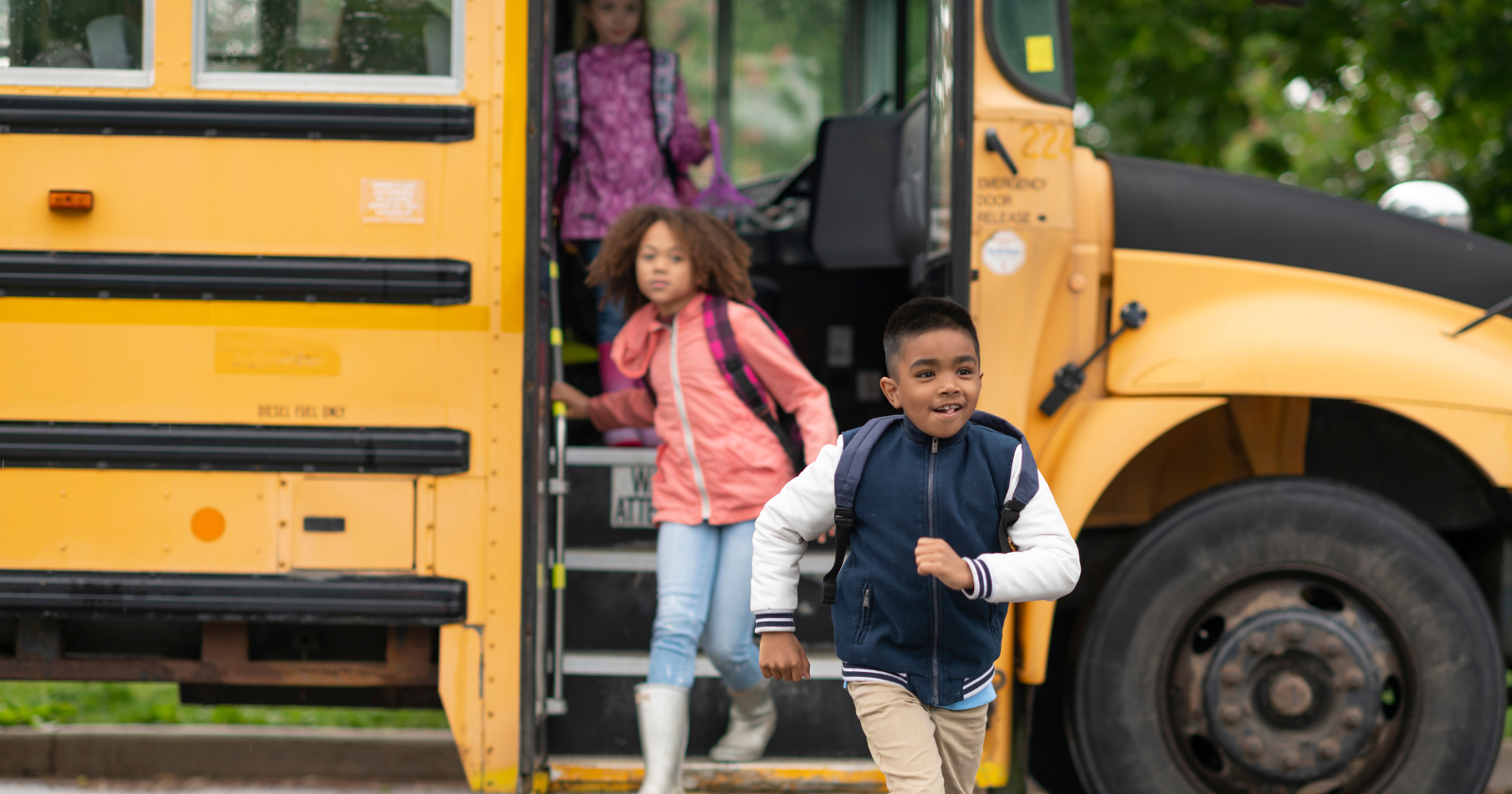
Before I had kids, I spent seven years teaching kindergarten, and then took on a part-time gig driving a school bus to help make ends meet. Every morning at 6:30 AM, I’d climb into that big yellow bus, coffee in hand, ready to pick up anywhere from 30 to 50 kids. What started as just a way to pay bills turned into one of the most eye-opening experiences of my life.
You know how they say you can’t judge a book by its cover? Well, turns out you can learn almost everything about a family just by watching their morning routine for a week. Those few minutes at the curb each day? They revealed more than any parent-teacher conference ever could.
Now that I’m home with my own two little ones, I look back on those mornings and realize just how much those observations taught me about parenting. Some families had it all figured out. Others… well, let’s just say I learned what not to do from them too.
1) The state of the backpack told me everything about homework help
Within three days of picking up a new kid, I could tell you whether anyone at home was helping with homework. The kids with crumpled papers shoved in their backpacks, forgotten lunch money, and that panicked look when they realized they left their science project on the kitchen table? Those were the ones flying solo.
Meanwhile, other kids would climb aboard with everything neatly organized, permission slips already signed, and a confident “My mom helped me practice my spelling words” announcement. The difference wasn’t about perfect parents versus imperfect ones. It was about whether someone was checking in, even for just five minutes each evening.
2) Morning goodbyes revealed the family’s emotional temperature
Some kids would bound onto the bus without a backward glance while their parent was already scrolling through their phone. Others got long hugs, “I love yous,” and parents who waited until the bus pulled away before heading inside.
But here’s what really stuck with me: the kids who got those meaningful goodbyes handled the chaos of the bus ride better. When another kid was mean or they forgot their lunch, they had this invisible cushion of security. They knew someone cared about their day before it even started.
3) Punctuality patterns showed me family priorities
Every family has crazy mornings sometimes. But when the same kid was racing to catch the bus four days out of five, still eating breakfast or putting on shoes as they ran? That told me mornings weren’t a priority in that house.
The families who were consistently ready five minutes early weren’t necessarily more organized. They just decided that starting the day calmly mattered. Those kids arrived at school ready to learn instead of frazzled from the morning sprint.
4) Sibling dynamics at the bus stop were a window into home life
When siblings waited together, I could immediately spot which families encouraged kids to look out for each other. Some older kids would help their younger siblings with backpacks, make sure they had their library books, or hold their hand crossing to the bus.
Others would stand as far apart as possible, the older one embarrassed, the younger one ignored. You could tell which parents said things like “You’re responsible for your sister” versus those who let sibling relationships develop (or deteriorate) without guidance.
Related Stories from The Artful Parent
5) What kids ate for breakfast predicted their school day
I could smell Pop-Tarts and sugary cereals from the front of the bus. By 10 AM, those kids would be melting down in class. The ones munching on apple slices or finishing a piece of whole grain toast? They made it to lunch without the crash.
One morning, a usually bouncy second-grader dragged himself onto the bus. “My dad made me eggs today instead of donuts,” he grumbled. By the time we got to school, he was chatting happily with friends. His body had what it needed, even if he didn’t realize it.
6) Parent reactions to problems revealed their teaching style
When a kid forgot something important, you could predict exactly what would happen based on the parent’s typical response. Some parents would race to school with the forgotten item every single time. Their kids never learned to remember because they never felt the consequences.
Other parents had a policy: “If you forget it, you deal with it at school.” Those kids might have struggled initially, but by October, they rarely forgot anything. They’d learned to take responsibility for their own stuff.
7) The way kids talked about their evenings showed screen time limits
“I watched YouTube until midnight!” “I played video games all night!” These weren’t occasional excited announcements about special privileges. For some kids, this was every single morning’s report.
The kids who talked about building forts, reading with mom, or helping dad cook dinner? They had richer stories, better vocabulary, and seemed more connected to the kids around them. They knew how to play and interact because they practiced it at home.
- You know someone is about to betray you when they start doing these 7 things with their body language - Global English Editing
- Why your PPC ad copy keeps underperforming - The Blog Herald
- If you always say “bless you” when people sneeze, psychology says you exhibit these 9 distinct traits - Global English Editing
8) Seasonal clothing told me who was paying attention
When the first cold snap hit, some kids showed up in shorts and t-shirts, shivering at the bus stop. Same parents, same kids, year after year. Meanwhile, other families had kids bundled appropriately, with hats and gloves tucked in backpacks “just in case.”
It wasn’t about money. I saw kids in hand-me-down coats that fit perfectly and expensive sneakers with no socks in November. It was about whether parents were tuned in to their kids’ basic needs or running on autopilot.
9) Friday energy revealed weekend plans
By Thursday afternoon, I could tell which kids dreaded weekends and which ones couldn’t wait. Some would anxiously ask, “Is tomorrow Friday?” knowing they’d spend two days inside, bored and on screens. Others buzzed with excitement about camping trips, visits to grandma, or even just “Dad says we’re building a treehouse!”
The difference? Families who planned to spend time together, even in simple ways, versus those who saw weekends as a break from parenting.
The lesson I carry forward
Now that I’m home with my own kids, those bus-driving years influence my parenting every single day. When my daughter needs help organizing her art supplies or my son wants “just one more” bedtime story, I remember those morning observations.
The families who thrived weren’t perfect. They weren’t doing anything extraordinary. They just showed up consistently in small ways. They paid attention. They created predictable routines. They connected before separating.
Every morning when I help my kids get ready, I think about what their theoretical bus driver would notice. Are we rushed or calm? Connected or distracted? Are my kids prepared for their day, both practically and emotionally?
Those thousands of morning pickups taught me that parenting isn’t about the big moments. It’s about the daily rhythms we create, the five-minute check-ins, the goodbye hugs, and yes, even the boring task of checking backpacks. These tiny, repetitive acts add up to create either chaos or security in our kids’ lives.
What would your child’s bus driver notice about your family? Sometimes that outside perspective, even an imaginary one, can help us see where we might need to adjust our morning game.
