You know that moment when you arrive at your parents’ house and your kids either light up like Christmas morning or barely glance up from whatever they’re doing?
I’ve watched this play out countless times at family gatherings, and the difference is striking.
Some grandparents get tackled at the door with squeals of “Grammy!” or “Papa!” while others stand awkwardly in the doorway, waiting for reluctant hugs after multiple prompts of “Go say hi to Grandma.”
What makes the difference? After watching my own parents navigate this with my kids and observing other families, I’ve noticed it comes down to specific behaviors that either draw children in or push them away.
Honestly? Most grandparents have no idea they’re doing things that create distance.
They remember what matters to the child
My daughter recently spent an afternoon organizing her rock collection into elaborate categories only she understands.
When my mom visited the next week, she asked about those rocks.
She remembered which one was the “sparkly princess rock” from our last conversation.
Meanwhile, I’ve watched other grandparents launch straight into questions about grades, piano practice, or whether kids are eating their vegetables.
Sure, those things matter, but when every interaction starts with an adult agenda, kids learn to brace themselves rather than open up.
The grandparents who get the running hugs? Well, they lead with the child’s world.
Related Stories from The Artful Parent
- I’m 35 and I love my parents but I also resent them — and I spent years believing those two things couldn’t both be true before I understood that love and resentment are not opposites, they are the specific combination that forms when you were raised by people who did their best and whose best had limits and whose limits became your wounds
- Psychology says when adult children avoid their parents, it’s rarely about one dramatic event — it’s about a thousand small moments where the child learned that being authentic around the parent felt more dangerous than being distant
- I finally understand why my father always backed the car into the driveway — it wasn’t about convenience, it was a man who spent his whole life making sure everyone else could leave first
They remember the stuffed animal’s name, the friend who was mean at recess, the butterfly that landed on their hand last visit.
They show kids that their interests and experiences are worth remembering.
They get down on the floor
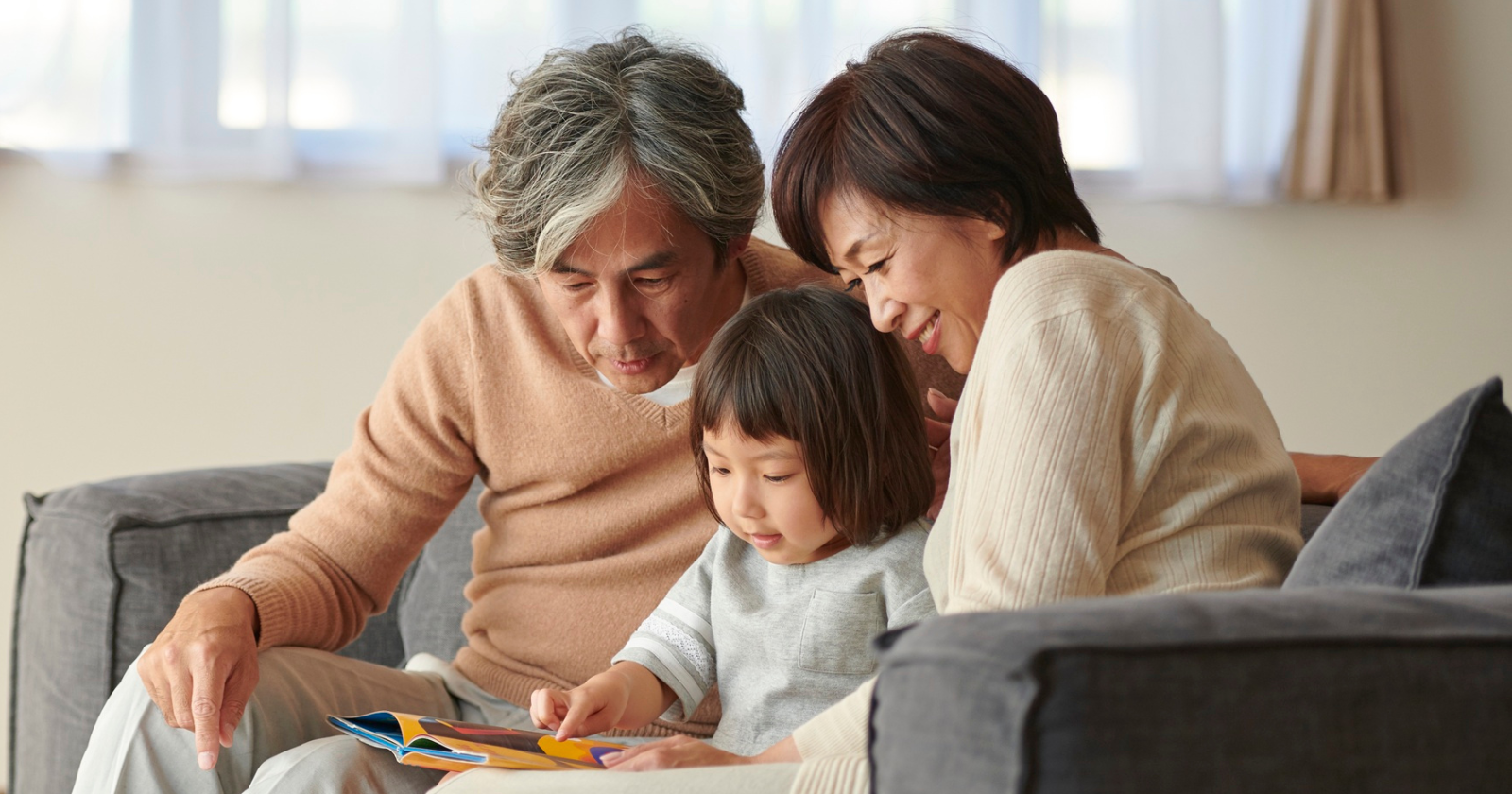
Here’s something I noticed at a recent playdate: One grandmother sat in her chair the entire visit, calling out comments from above, while another got right down on the carpet, even though I could tell her knees weren’t loving it.
Guess which grandma had kids climbing all over her by the end?
Physical positioning sends a powerful message.
When adults stay at adult height, in adult chairs, maintaining adult conversations, children feel like visitors in their own family gathering.
But when grandparents get down to eye level, whether that’s sitting on the floor for fort-building or crouching down for conversations, magic happens.
My mom has arthritis, so floor-sitting isn’t always possible.
But she pulls kids up onto her lap, sits on the couch so they can snuggle beside her, or finds other ways to share their physical space.
Connection happens when we literally come down to their level.
They follow the child’s lead instead of forcing their own agenda
Remember being dragged through activities you hated as a kid?
Maybe it was sitting still during adult conversations or being forced to perform your latest piano piece for relatives?
The most beloved grandparents I know don’t have rigid plans for visits.
They show up curious about what the child wants to do.
If that means spending forty minutes watching a two-year-old stack and restack blocks, that’s what they do; if it means listening to a detailed explanation of every Pokemon evolution, they’re all in.
One grandmother I know always arrives with a specific craft project or educational activity planned.
The kids are polite, but you can see them going through the motions.
Another shows up and asks, “What should we play today?”
Those kids bounce with excitement before she even gets her coat off.
They share real stories
My dad used to lecture my kids about the importance of hard work and saving money.
Valid points, but their eyes would glaze over within seconds.
Then one day, he randomly mentioned how he once spent his entire allowance on candy and got the worst stomachache of his life.
My daughter still talks about that story.
Kids connect through stories.
The grandparents who become favorites are the ones who share real memories: The time they got in trouble for sneaking cookies, when they were scared of the neighbor’s dog, how they felt when their best friend moved away.
These stories create bridges between generations.
When grandparents are willing to be human, to admit they were once small and silly and scared too, children see them as people rather than authority figures.
That’s when real relationships bloom.
They respect boundaries without taking it personally
My two-year-old goes through phases where he doesn’t want hugs from anyone except me and his dad.
Some relatives get offended, making comments about hurt feelings or trying to guilt him into affection.
But my mom? She just says, “That’s okay, buddy. High five instead?”
And you know what? He usually runs to hug her five minutes later, completely on his own terms.
Forced affection teaches kids that their boundaries don’t matter.
The grandparents who respect a child’s “no” to hugs, who don’t insist on kisses, who let kids warm up at their own pace?
Those are the ones who eventually get genuine, spontaneous affection.
It’s developmental when a child needs space.
The grandparents who understand this create safe relationships where kids can be themselves.
They show up consistently
Everyone shows up for birthdays and holidays, but the grandparents whose names make kids’ faces light up?
They’re present in the ordinary moments too.
It might be a weekly video call where they read a bedtime story, a postcard that arrives randomly, or showing up to watch a regular Saturday morning soccer practice.
The key is predictability and presence in normal life, not just special occasions.
My kids know that every Sunday, their grandma will call right after lunch.
It’s just five minutes of chatting about their week, but that consistency has built a foundation of connection that makes them eager to see her in person.
They play without teaching
Watch how different grandparents approach playtime. Some can’t help but turn every moment into a lesson: “What color is that block? Can you count them? What letter does ‘ball’ start with?”
Others just… play.
They make silly voices for dolls, build terrible-looking towers that collapse dramatically, or pretend to be sharks chasing giggly kids around the yard.
No agenda, no education, just pure fun.
Don’t get me wrong, learning through play is wonderful, but when every interaction becomes a teaching moment, play becomes work.
The grandparents who can be genuinely silly, who aren’t worried about being dignified or educational every second? Those are the ones kids can’t wait to see.
The heart of it all
Watching my parents slowly shift from the formal, distant grandparenting style they inherited to something warmer and more connected has been beautiful.
They’re learning what I’m trying to create in my own parenting: Relationships built on respect, curiosity, and genuine enjoyment of these small humans.
The grandparents who get the running hugs are simply showing up as full people, interested in who their grandchildren actually are rather than who they think they should be.
Every grandparent was once that magical person to someone.
If the magic has faded, it’s never too late to rebuild it.
Start with one change: Get on the floor, remember their rock collection, or just ask what they want to play.
The door-tackle hugs will follow.