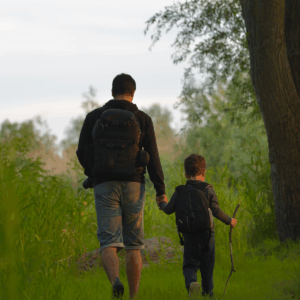

Retirement hobbies tell stories we don’t always mean to share. Psychologists note that our deferred dreams don’t simply disappear when circumstances prevent us from pursuing them. Instead, they transform, finding expression in the activities we gravitate toward when we finally have time.
The hobbies we choose in retirement reveal which aspirations we’ve carried silently for decades.
1. Golf and the dream of winning something that matters
Every golf course in America hums with the unspoken ambitions of men who never quite reached the executive suite. The scorecards matter intensely because they’re the only performance metrics left.
Pete talks about his handicap the way he once discussed quarterly targets. Same intensity, lower stakes. Research shows golf provides genuine health benefits, but that’s not why most retirees play seventy rounds a year.
They play because the game preserves what middle management couldn’t deliver: clear rules, fair competition, and measurable achievement. Nobody can take your birdie away in a corporate restructuring.
2. Genealogy and the search for significance
Barbara spends hours tracking down birth certificates from 1847. She’s constructed a family tree spanning seven generations, complete with annotated photos and historical context.
What she’s doing is answering the question that haunted her working years: did my life matter?
Studies of genealogy enthusiasts reveal that the hobby satisfies a deep need for self-understanding and connection to something larger than oneself. Many describe the pursuit as “an all-consuming passion.”
Genealogy lets you construct meaning retroactively. If you can’t leave a legacy, you can at least prove you came from one.
3. Woodworking and hands that wanted to build
Tom’s garage has become a proper workshop. Saws, planers, sanders arranged with surgical precision. He makes furniture nobody needs: coffee tables for kids who already have three, bookshelves for an age that reads on screens.
For forty years, he pushed paper and managed spreadsheets. His hands ached to make something real.
The wood shavings carry the ghost of a different life. Maybe carpentry, maybe architecture. Some profession where you could point to your work and say “I made that.” Where the results didn’t disappear in the next quarter’s reorganization.
Each dovetail joint seeks perfection because it’s compensating for decades of intangible labor.
4. Photography and the artist who chose practicality
Sarah retired from accounting last spring. Her Instagram now overflows with sunrise landscapes and architectural details most people walk past without noticing.
She talks about composition and lighting with an intensity that never surfaced during tax season. This wasn’t a new interest discovered at sixty-five. It was a deferred one, finally given permission.
I’ve mentioned before how often we sacrifice creative ambitions for financial security. Jeanette Brown’s course Your Retirement Your Way helped me recognize this pattern in my own thinking. The course reminded me that retirement isn’t an ending but a chance to reconnect with identities we’ve shelved.
Every landscape photo negotiates with the art school application that was never submitted. The camera costs what four years of tuition would have. It’s much safer, and the dream stays intact.
- Google didn’t kill blogs with AI overviews — it revealed which publishers were writing for robots and which ones had actual readers - The Blog Herald
- WordPressDirect: blogging tool or spam engine? - The Blog Herald
- Why spelling and grammar mistakes still cost bloggers more than they realize - The Blog Herald
5. Volunteering and power without the politics
Richard runs the local food bank with the same authority he brought to his corner office. He’s organized, efficient, impossible to argue with. The board defers to him completely.
What’s different is the lack of resentment from below. Nobody questions his motives because he’s not drawing a salary. His authority comes from competence rather than hierarchy.
For the first time in forty years, people follow his lead without wondering what he’s getting out of it.
This role satisfies what corporate leadership never quite delivered: the ability to shape an organization without navigating office politics, without wondering if your success threatens someone else’s ambitions.
6. Travel and the explorer who stayed home
Three couples we know have bought RVs since retiring. They’re working through bucket lists with impressive efficiency: national parks, historical sites, that restaurant in Savannah everyone raves about.
The urgency tells you everything. These aren’t leisurely explorations. They’re making up for lost time.
One couple tracks their trips on a massive wall map, pins marking conquered territories. The language they use sounds like military campaigns: “we’re hitting the Southwest in March, then pushing up through the Rockies.”
Adventure got postponed for mortgages and college tuition. Now it’s condensed into frantic catching-up, as if forty-eight states before seventy can compensate for never teaching English in Thailand at twenty-five.
7. Master’s degrees and the scholar who paid bills instead
Janet enrolled in a graduate program six months after her retirement party. English literature, of all things. She’s seventy-two and writing papers on Virginia Woolf.
Her kids think it’s wonderful, in that slightly condescending way adult children support their parents’ cute hobbies. They don’t understand it’s not cute.
She’s not taking classes to stay mentally sharp or make friends. She’s finally becoming the person she imagined at nineteen, before practical considerations redirected her to business school and a sensible career in insurance.
The degree won’t help her professionally. That’s precisely the point. For once, learning doesn’t need to justify itself with career advancement. It can just be what it should have been all along.
Final thoughts
These hobbies aren’t inferior to the dreams they represent. Barbara’s genealogy research is genuinely valuable. Pete’s golf game brings him real joy. Sarah’s photographs are beautiful.
But I’ve started wondering about my own pursuits. The writing I’ve taken up since retiring, these attempts at essays and observations. What deferred ambition is this serving?
Perhaps that’s the more important question. Not which dream did you give up, but which dream are you finally brave enough to pursue now that the stakes are lower and the time is yours?
The hobbies we choose in retirement reveal not just what we’ve lost, but what we haven’t given up on yet.