
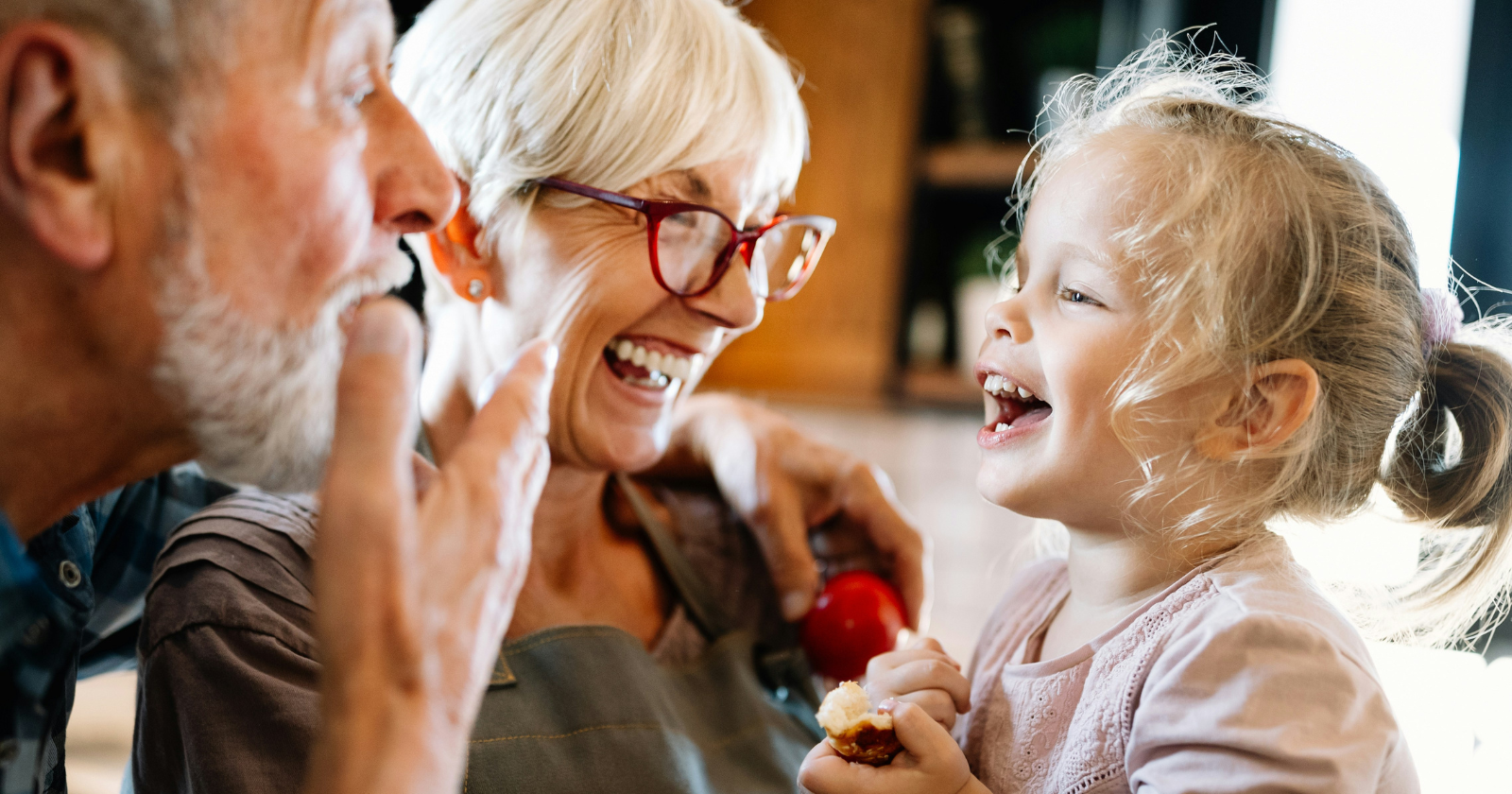
Every Sunday morning, I watch from my kitchen window as a familiar silver sedan pulls into our driveway. Before the engine even stops, I can see little faces pressed against the back windows, hands waving frantically. The car doors burst open and suddenly our quiet home transforms into a whirlwind of excitement, hugs, and the kind of pure joy that makes my heart swell. My parents have arrived, and my kids are acting like it’s Christmas morning.
It wasn’t always this way. When I was younger, visits to my own grandparents felt more like obligations—stiff hugs, too-quiet houses, and that distinctive smell of mothballs mixed with hard candy. Don’t get me wrong, I loved them dearly, but those visits felt like entering a museum where you couldn’t touch anything.
Watching my parents with my kids has taught me so much about what makes grandparenting truly special. They’ve cracked the code on creating genuine excitement around their visits, and I’ve been taking notes. Whether you’re already a grandparent or preparing for that role someday, these insights might just transform those duty visits into the highlight of everyone’s week.
1. Create sacred one-on-one time
You know what makes kids feel like absolute royalty? Having an adult’s complete, undivided attention. My dad takes each grandchild on individual “special days” throughout the year. No siblings, no distractions, just pure connection. Sometimes it’s as simple as a trip to the ice cream shop or a walk through the farmers market, but to my kids, these outings are everything.
Think about it: in their daily lives, kids are constantly competing for attention—with siblings, with screens, with the endless demands on parents’ time. When grandparents carve out that sacred solo time, they’re saying “You matter. You’re worth my whole afternoon.” That’s powerful stuff.
2. Break the “don’t touch” rule
Remember those plastic-covered couches at grandma’s house? The china cabinets you weren’t allowed near? Yeah, let’s not do that. My mom has completely flipped the script by creating what she calls “mess zones” in her house. She’s got an art corner where paint spills are expected, a building station with blocks and LEGOs scattered everywhere, and a mudroom that actually gets muddy.
When kids know they can truly play and explore without constantly hearing “be careful” or “don’t touch,” they relax. They open up. They actually want to spend time in that space. My mom says the messes wash away, but the memories last forever. She’s absolutely right.
3. Become their adventure guide
Every week, my dad takes whoever wants to join him on nature walks. Not forced marches or educational lectures disguised as fun, but genuine adventures where the kids lead the way. He’s teaching them mindfulness without ever using that word—pointing out bird songs, examining interesting rocks, making up stories about the trees they pass.
What started as his attempt to get them outside has become this beautiful ritual. My daughter now collects leaves for “Grandpa’s special book,” and they spend ages pressing them and writing little notes about where they found each one. These aren’t just walks anymore; they’re treasure hunts, science experiments, and bonding sessions all rolled into one.
4. Master the art of saying yes (when parents might say no)
Ice cream before dinner? Building a blanket fort that takes over the entire living room? Staying up an extra thirty minutes to finish a story? Grandparents have this magical ability to bend rules without breaking them, and kids absolutely live for it.
Now, I’m not suggesting you undermine parents or go completely rogue. But there’s something special about grandparents being the ones who occasionally say “Why not?” to the little things. My mom has perfected this balance—she checks in with me about the big stuff but gives herself permission to be the fun one when it comes to small indulgences.
5. Share your real stories (not just lectures)
Kids can smell a lecture coming from a mile away. But stories? Stories are different. My dad has discovered that bedtime stories don’t have to come from books. Some of his best moments with the grandkids happen when he shares real stories from his childhood—the time he got stuck in a tree, his first job at the corner store, the day he met grandma.
These aren’t sanitized, moral-of-the-story tales. They’re real, sometimes silly, sometimes touching glimpses into who he was before he became “Grandpa.” My kids hang on every word, asking questions I never thought to ask him myself.
6. Learn their language (literally and figuratively)
When my parents found out their youngest grandchild was born deaf, they didn’t hesitate. At ages 67 and 69, they started learning sign language basics. They’re not fluent, but they know enough to communicate, to include, to show that every grandchild matters equally.
But it goes beyond that. My dad has learned the names of Pokemon characters. My mom can discuss the plot of whatever cartoon is currently popular. They don’t pretend to love these things, but they show genuine interest because these things matter to their grandkids.
7. Create traditions they can count on
Every visit to grandma’s house includes her famous chocolate chip pancakes. Every grandpa visit means checking on the tomato plants together. These might seem like small things, but kids thrive on predictability mixed with special treatment.
These traditions become anchors in their lives. My daughter recently told me she was sad about a problem at school, but then remembered that Saturday was coming and that meant pancakes at grandma’s. That simple tradition had become her safe harbor, her something-to-look-forward-to when life felt tough.
8. Put down your phone (really)
This might sound obvious, but it’s worth saying: when the grandkids are around, my parents become unreachable to the outside world. Their phones disappear. Their attention is absolute. In our hyper-connected world, this kind of presence is increasingly rare and incredibly valuable.
Kids notice everything. They know when you’re really listening versus when you’re half-listening while scrolling. My parents’ complete presence during visits tells my kids they’re more important than any notification, any news update, any social media post.
9. Let them see your silly side
My very dignified mother now does puppet shows with ridiculous voices. My reserved father has been known to engage in epic water balloon battles. They’ve discovered that dignity and silliness aren’t mutually exclusive, and that being willing to play—really play—creates connections that lectures and life lessons never could.
When grandparents show their playful side, they become real people to kids, not just authority figures from a different generation. They become friends, conspirators, and trusted allies all at once.
The golden thread
Watching my parents with my children has shown me that great grandparenting isn’t about being perfect or having all the answers. It’s about presence, genuine interest, and the willingness to enter a child’s world rather than always expecting them to enter yours.
The best part? When grandparents master this art, everybody wins. Kids get these incredible relationships that shape who they become. Parents get trusted support and the joy of watching these bonds develop. And grandparents? They get to experience childhood magic all over again through fresh eyes.
Those Sunday morning arrivals at our house aren’t just visits anymore. They’re events, celebrations, and memory-making sessions that my kids will carry with them forever. And someday, when I’m pulling into my own grandchildren’s driveways, I hope to see those same excited faces pressed against the windows, waiting for the magic to begin.
