
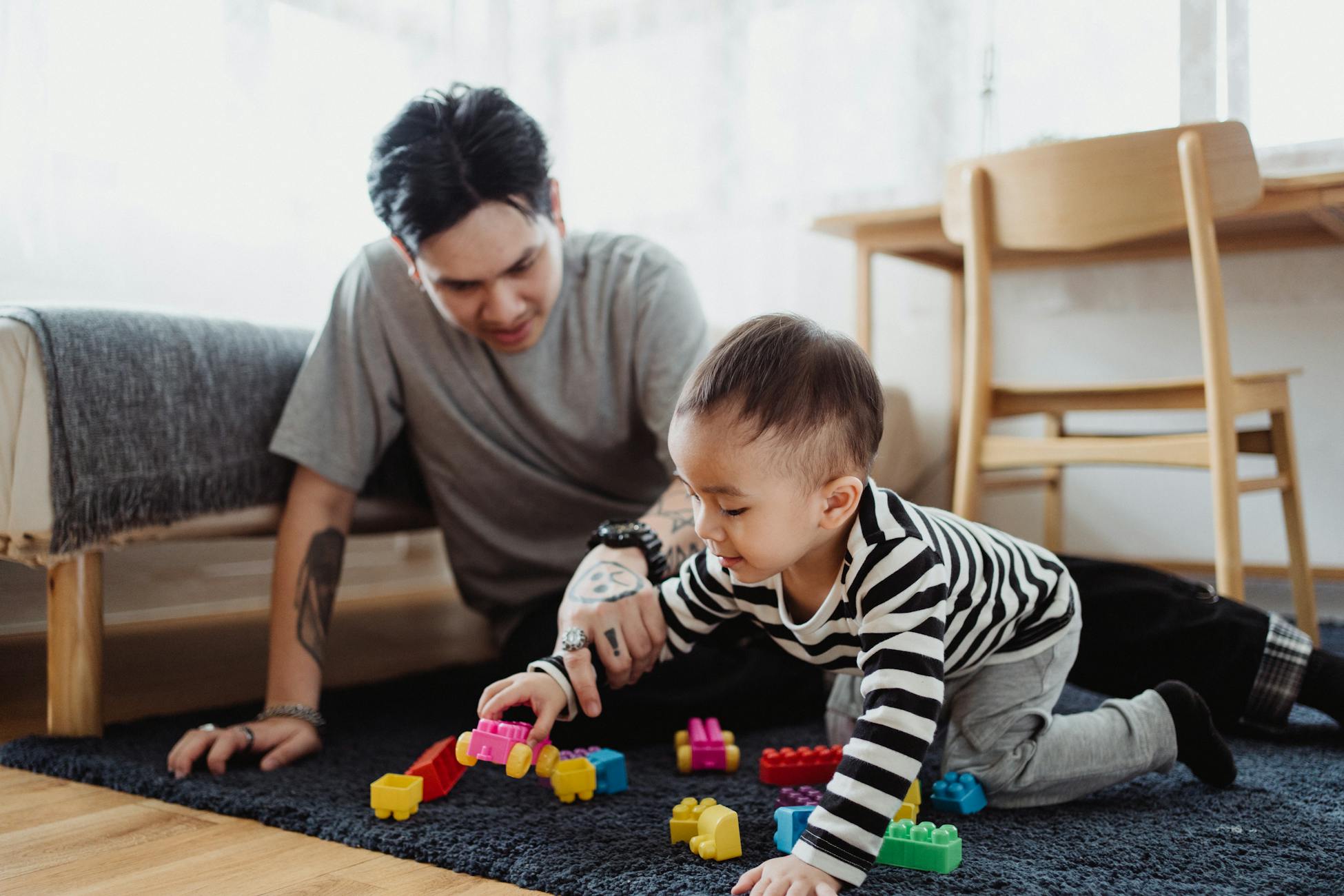

Childhood memories are rarely built only from big holidays, birthdays, or planned milestones. Often, what stays with children are the ordinary moments: the car ride home, the mood in the kitchen, or the way an adult reacted when something small went wrong.
If you ask adults what they remember from being seven, the answers tend to surprise their parents. The smell of a particular car. The way a grandmother held a teacup. A look on a father’s face during a meal that has otherwise vanished. A song hummed badly while doing the dishes.
This is not a hidden science of memory but a pattern most adults can verify by paying attention to their own minds.
We are not writing this as clinicians or child development specialists. What follows is an editorial reading of childhood memory research, alongside the small patterns many parents and adult children recognise in ordinary family life.
What memory in early childhood actually looks like
The technical version is that autobiographical memory, the kind of memory that lets us narrate ourselves over time, develops gradually through early childhood. Most adults cannot recall much from before about age three or four. This is called childhood amnesia, and it is a normal feature of how human memory matures.
Researchers who have spent careers on this, including Patricia Bauer at Emory University and Robyn Fivush, also at Emory, suggest that what tends to be retained is a mix of the emotionally salient, the repeated, and the talked-about. Their work points to a pattern. Children remember more from events that adults helped them talk through afterwards, and more of what was felt than what was factually accurate.
Part of why the moments that surprise parents are the ones that stick is structural. The everyday small thing meets all three conditions. It is emotionally charged at the time, it tends to repeat, and it often gets talked about in passing rather than ceremoniously.
The list below is observational, drawn from this wider research and from the kind of pattern parents and adult children tend to notice over time. It is not a clinical guide to what your child will or will not remember.
Eight everyday moments that tend to stick
1. The walk or drive home. The minutes after pickup, before the rest of the day takes over, are often unfiltered for both adults and children. Many adults recall the texture of those minutes more vividly than the school day they were ostensibly discussing. The questions they were or were not asked. The music. Whether their parent seemed tired or present.
2. How an adult reacted when something broke. The spilled juice, the dropped phone, the smashed glass. Children are watching what an adult does with a small accident. Whether the response was a snap, a sigh, a laugh, a long silence. The reaction can linger because it gives a child a felt sense of how mistakes are handled at home.
3. The first ten minutes after a parent came home. Reunions are saturated with information. Did the adult look up? Put their phone down? Light up, or visibly brace? Many adults recall a specific recurring moment of a parent walking through the door, not because anything happened, but because that was when the emotional weather of the house was set.
4. Small recurring rituals. The same goodnight phrase. The same bad joke. A song sung badly at bath time. The exact way a parent traced a finger along an eyebrow. None of these are remarkable in isolation. They are the things that tend to surface decades later, because repetition is one of the strongest predictors of what survives.
5. How a parent talked about themselves in passing. Children take in offhand comments adults make about their own bodies, work, age, tiredness, and competence. Not the considered sit-down conversations. The throwaway lines in the kitchen, in front of a mirror, on the phone. These comments are often remembered with unsettling precision.
6. How a parent treated other adults in front of them. The tone with the waiter. The patience or impatience with a customer service call. Whether a neighbour was greeted or avoided. Children pay close attention to how the people who love them treat the people who do not. This is the watching that builds a child’s sense of how to be in the world.
7. The way the mood of the room landed. Children read atmosphere before they read words. They retain the feel of a house on a Sunday afternoon, the difference between two parents in the kitchen, the particular silence of a tense breakfast. Adults often hold on to emotional climate longer than they hold on to specific events.
8. The minor humiliations. Falling over in front of someone. Being laughed at. Being told off in public. Being misread by an adult who had a wrong impression. The small social wounds of childhood, often forgotten by the adults present, tend to live on for the child who experienced them. What is also remembered is whether anyone noticed, and how it was repaired, if at all.
What this is and is not
This is not a list of mistakes to avoid or rituals to engineer. The point of noticing what children tend to remember is not to perform childhood for them or to choreograph the small moments. Children can usually tell when a moment has been manufactured. They tend to retain the unguarded versions of their parents, not the staged ones.
The patterns above are observational and broadly consistent with what memory research suggests, but no one can predict what any individual child will carry forward. Memory is patchy and idiosyncratic.
Two siblings raised in the same house often remember entirely different versions of the same year.
If a pattern in your own family feels heavier than this article can hold, particularly around persistent low mood, anxiety, or a child who seems consistently distressed, that is the point at which a GP or a qualified clinician is more useful than reading.
What the wider material seems to support is something quieter than the usual parenting advice. The atmosphere of a childhood is built less out of planned highlights than out of the way ordinary minutes are spent. Most parents do this work without realising they are doing it, on the walk home, in the kitchen, during the unremarkable hours.