
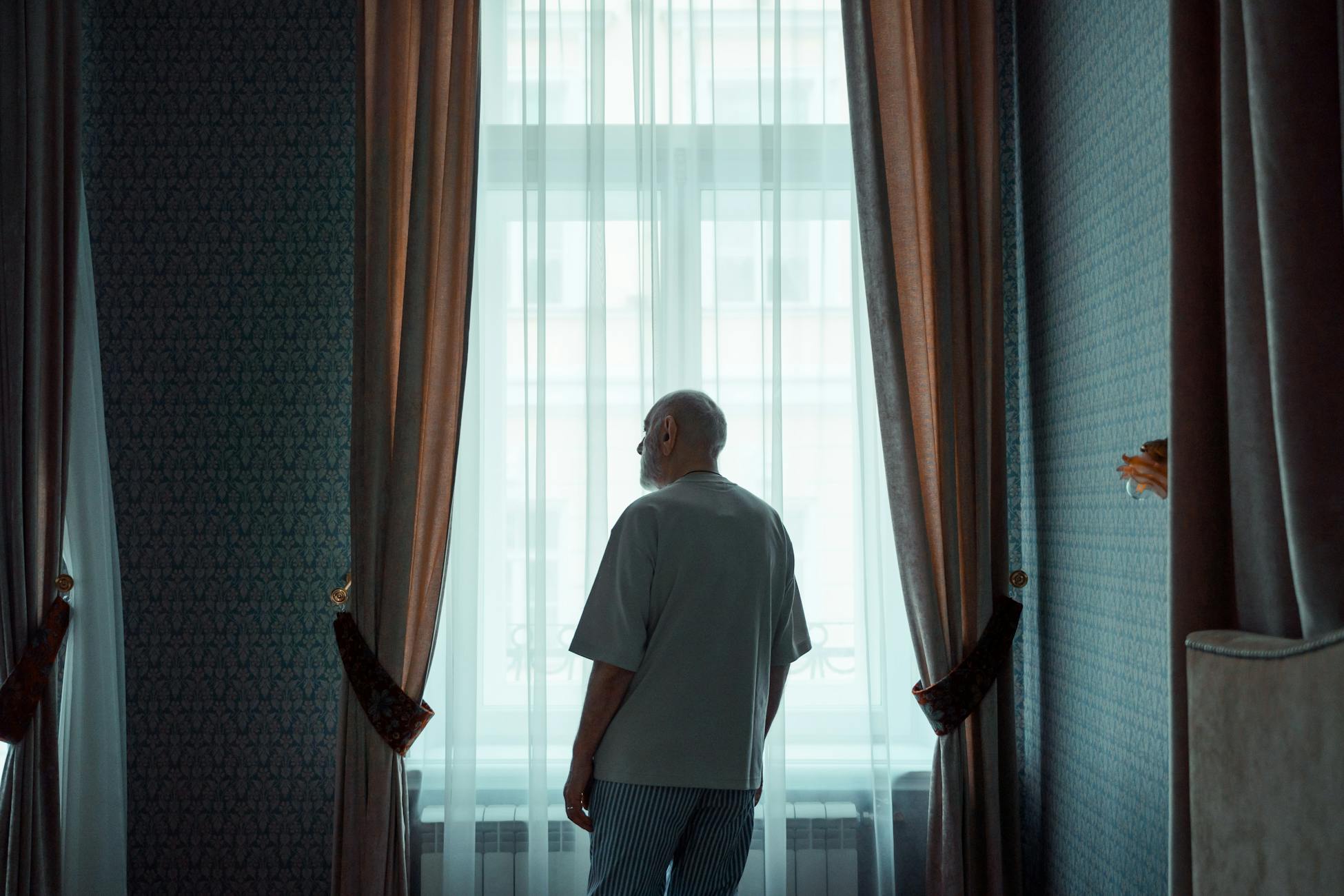
The person who carries the gathering is usually the one nobody actually sees. They arrive early. They cut the bread. They notice that an aunt is upset before anyone else does and steers the conversation away from whatever caused it. By the time the table is cleared, they’ve performed twenty small acts of stewardship that no one will mention, and they will go home feeling something it took us a long time to name accurately. Not unloved. Something stranger than that.
Most of the language we have around family loneliness assumes a missing affection — that the lonely person at the table doesn’t feel cared for, hasn’t been included, was overlooked in some visible way. That framing misses the more common case. The lonely one is often deeply included. They are the hinge the day swings on. They feel loved in the sense that people would absolutely show up to their funeral and say good things. What they don’t feel is known.
The Artful Parent
Family-life ideas and sharp reads, in your inbox.
And those two things stopped being the same a long time ago, usually without anyone noticing.
The role that ate the person
In most families, someone slides into a function early. The reliable one. The mediator. The cheerful one. The one who remembers everyone’s allergies and which cousins aren’t speaking. It happens before anyone has the vocabulary to refuse it, and it tends to stick because it works — the family rewards it, leans on it, comes to depend on it. The role becomes the relationship.
The trouble with becoming useful inside a family is that usefulness, once established, becomes the thing people see when they look at you. They love you the way you love a load-bearing wall. Sincerely. Constantly. Without ever wondering what’s behind it. There’s a distinction between feeling loved and feeling lovable — between receiving warmth and trusting that the warmth is meant for the actual person underneath the function.
You can have a great deal of the first and almost none of the second, and on the surface nothing looks wrong.
What “needed” actually does to a person over decades
Being needed is not the same as being met. A need points at what you can do. Knowing points at who you are. Over a few decades, the difference compounds in ways that are hard to articulate from inside the experience.
The person who has been the family fixer since age nine learns to lead with the offer. Can I help. Do you want me to drive. I’ll handle it. Don’t worry about that, I’ve got it. They get very good at the language of provision and almost no practice with the language of self-disclosure. By the time they’re fifty, they can plan a complicated holiday meal in their sleep, but they can’t quite tell their sister that they’ve been afraid lately. The muscle was never built.
There’s a pattern where the people most central to a family’s emotional infrastructure are often the most isolated within it. Their position looks like belonging from the outside. From the inside, it can feel like running a small hotel for people who don’t know your last name.
The currency mismatch nobody renegotiates
Families develop economies. Some run on instrumental support — rides to the airport, casseroles when someone’s sick, the cousin who fixes everyone’s laptop. Others run on emotional disclosure — long phone calls, hard conversations, the kind of presence that doesn’t require a task to justify itself. Most families have a mix, but the ratio tilts. And the person who provides the instrumental currency is rarely the same person who gets paid back in the emotional one.
Instrumental closeness and relational closeness are not interchangeable, even though we treat them like they are. You can be inside someone’s daily logistics and outside their inner life. You can be the first person they call when something breaks and the last person they’d call when something hurts.
The lonely host of the family gathering is usually trapped on the wrong side of that exchange. They give one currency. They long for the other. Nobody is being malicious. The transaction simply was never updated.
Why nobody asks the obvious question
If you’ve been the steady one for thirty years, the family has built its identity partly around your steadiness. To ask how are you, really would require them to imagine a version of you that isn’t fine. That isn’t on top of it. That has needs of a sort they’d have to actually meet. Most families don’t reach for that question, not because they don’t love the person, but because the question itself threatens the structure they’ve come to rely on.
So they ask easier things. Did you remember the cranberry sauce. Can you pick up Grandma. Did you talk to your brother yet. The questions are warm. They are also, taken together, a kind of moat. They keep the conversation on the territory the steady person has already mastered, and away from the territory where they might be a beginner.
Children pick this up faster than adults realize. We’ve written before about how family wounds without obvious sources often grow inside homes that look perfectly functional. A child who is praised for being helpful and never asked what they think learns the contract early: my place here is what I do, not who I am. The contract works. It also quietly closes a door.
The Sunday afternoon problem
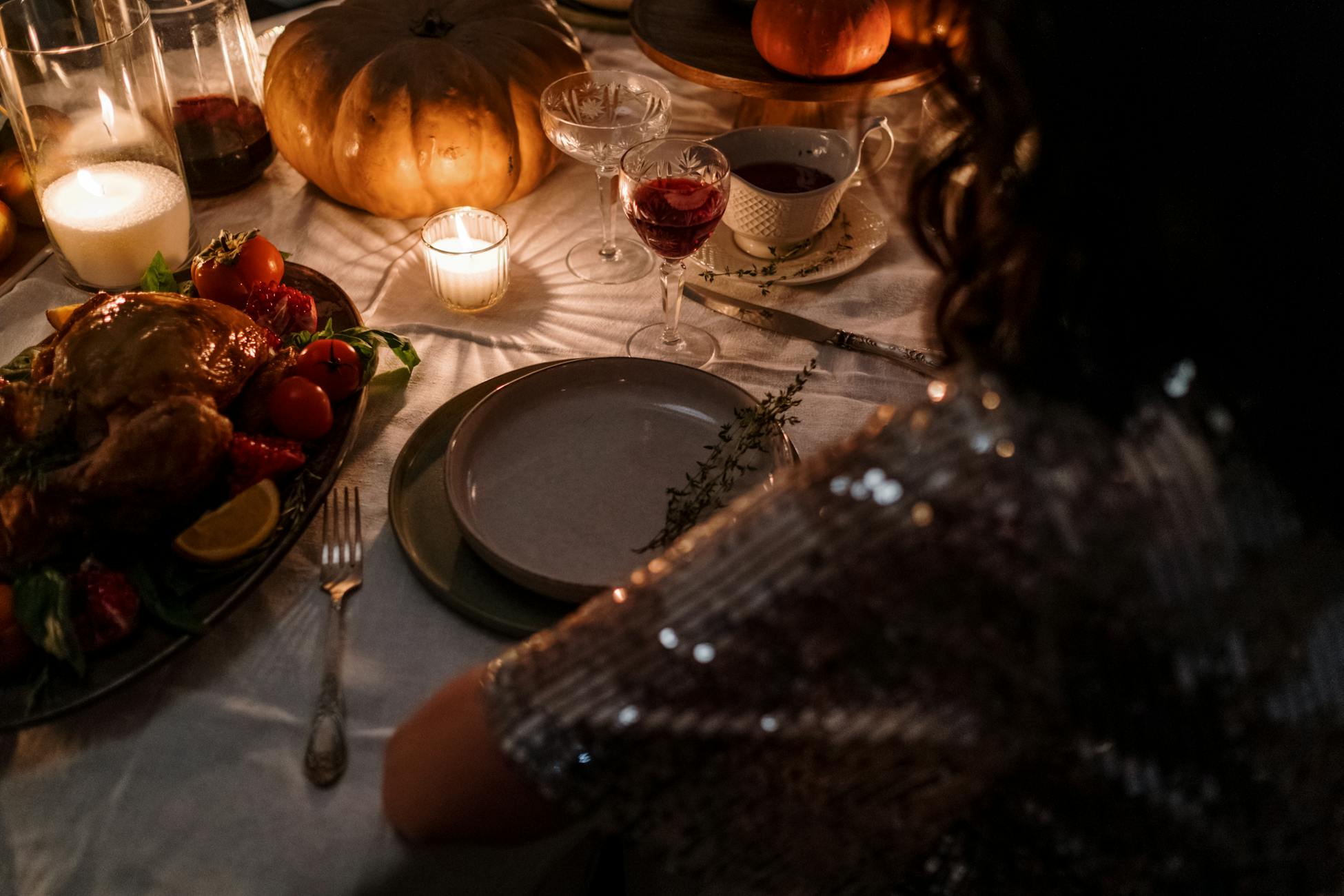
You can usually tell who is carrying the room by what happens to them after the gathering ends. The car ride home is quiet in a particular way. Not unhappy, exactly. Just hollow. There was real love in that room — they could feel it — and yet something didn’t quite get exchanged. They were thanked. They were hugged. They were told the stuffing was perfect. Nobody asked what they’ve been reading. Nobody asked what they’re afraid of these days. Nobody noticed that they’ve lost weight, or seemed quieter than usual, or laughed in a way that wasn’t quite their laugh.
This gap can be understood as a failure of mutual recognition — the sense of being held in another person’s mind as a whole, changing, complicated being rather than as a familiar shape. You can be surrounded by people who love you and still be short of that, and the shortage doesn’t announce itself as loneliness. It announces itself as a low-grade tiredness you can’t quite name.

What the steady ones tend to do with this
They don’t usually complain. That would violate the role. Instead, they tend to do a few quiet things over the years. They build a separate life outside the family where someone does know them — a friendship, a partner, a therapist, a long-running book group. They invest in that life heavily because it carries the weight the family of origin can’t. They start to dread the gatherings a little, then feel guilty about the dread, then host the next one anyway.
Some of them stop volunteering. They wait to see what happens when the load is set down. Sometimes the family rises to meet it. More often there’s a brief, baffled scramble and then a slightly diminished version of the gathering, and the steady one realizes they could have stopped years ago and the world would not have ended — only their role in it would have shifted, which felt at the time like the same thing.
Some of them try, finally, to be known. They drop a real sentence into the conversation. I’ve been struggling lately. I’m scared about Dad. I don’t know what I want anymore. They watch what happens. Sometimes a sibling looks up and meets them there, and something small and important repairs itself. Sometimes the sentence lands in the middle of the table and nobody picks it up, and they go back to slicing the bread.
The slow, unglamorous repair
If there’s anything useful to say about this — and we’re cautious here, because we aren’t therapists, only people who’ve watched family rooms for a long time — it’s that the gap between being needed and being known does not usually close through a single hard conversation. It closes, when it closes, through small experiments. A sibling asked a real question and given time to actually answer. A parent told something true in a quiet moment after the dishes are done. A friendship outside the family that’s allowed to feed back in, so that the steady one stops arriving at gatherings starved.
There’s also the question of what we teach the next generation. The children watching us cook and coordinate and smooth things over are learning what love looks like in this family. If the only model they see is provision, that’s the model they’ll inherit. We’ve written elsewhere about what makes adult children want to come home, and the pattern there is less about the food on the table and more about whether anyone, at any point during the visit, looked at them as if they were a person and not a function.
The same thing the steady ones at the gathering have been waiting for, often without knowing it. Not more thanks. Not more appreciation. A small, undramatic moment in which someone they love turns toward them and asks something only a person who was actually paying attention would think to ask. Then waits. Doesn’t move on. Doesn’t fix it. Just lets the answer happen.
That’s the currency. It was always the currency. The rest of it — the hosting, the holding, the careful invisible work — was a long, patient way of asking for it without ever using the words.